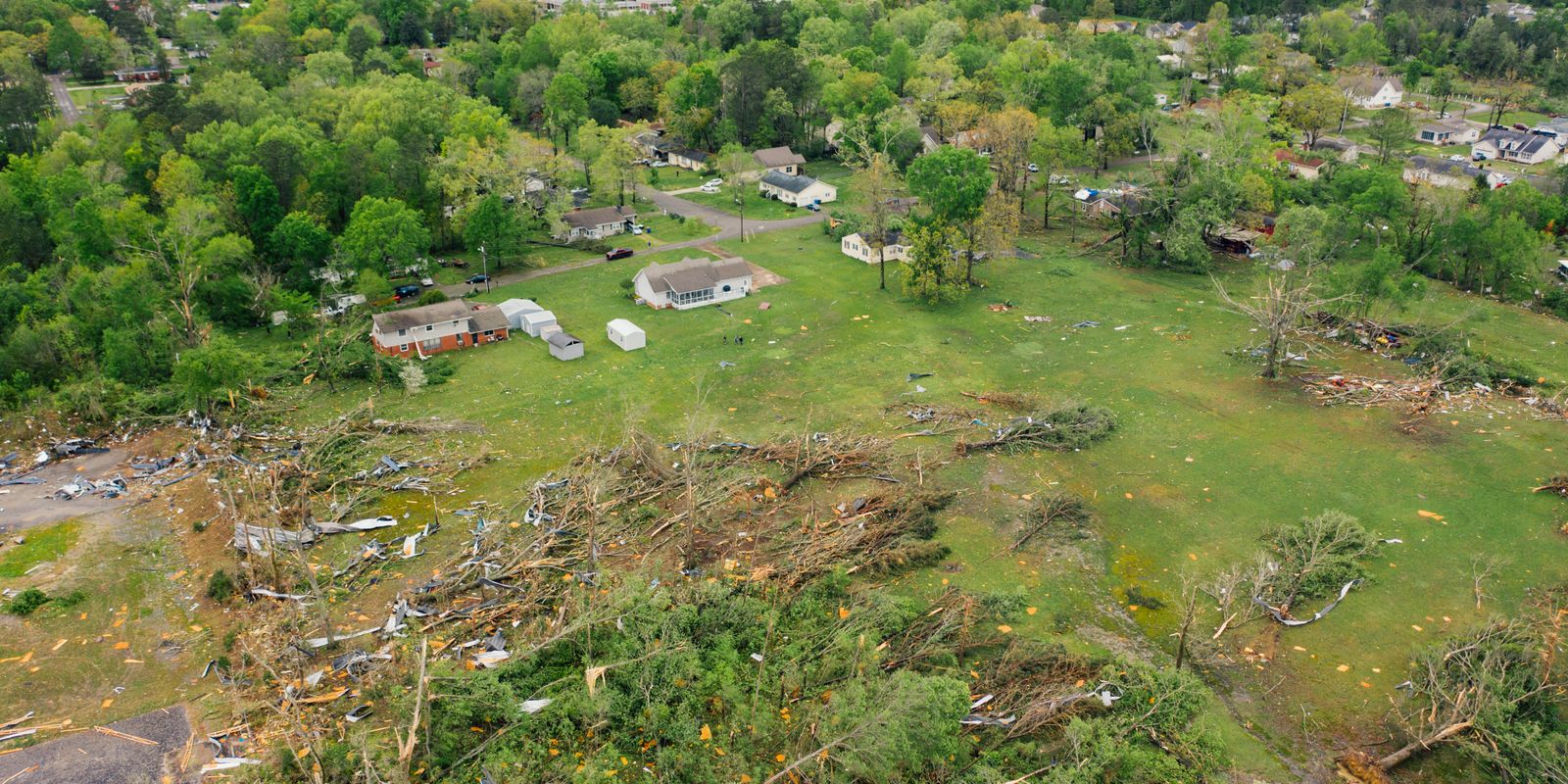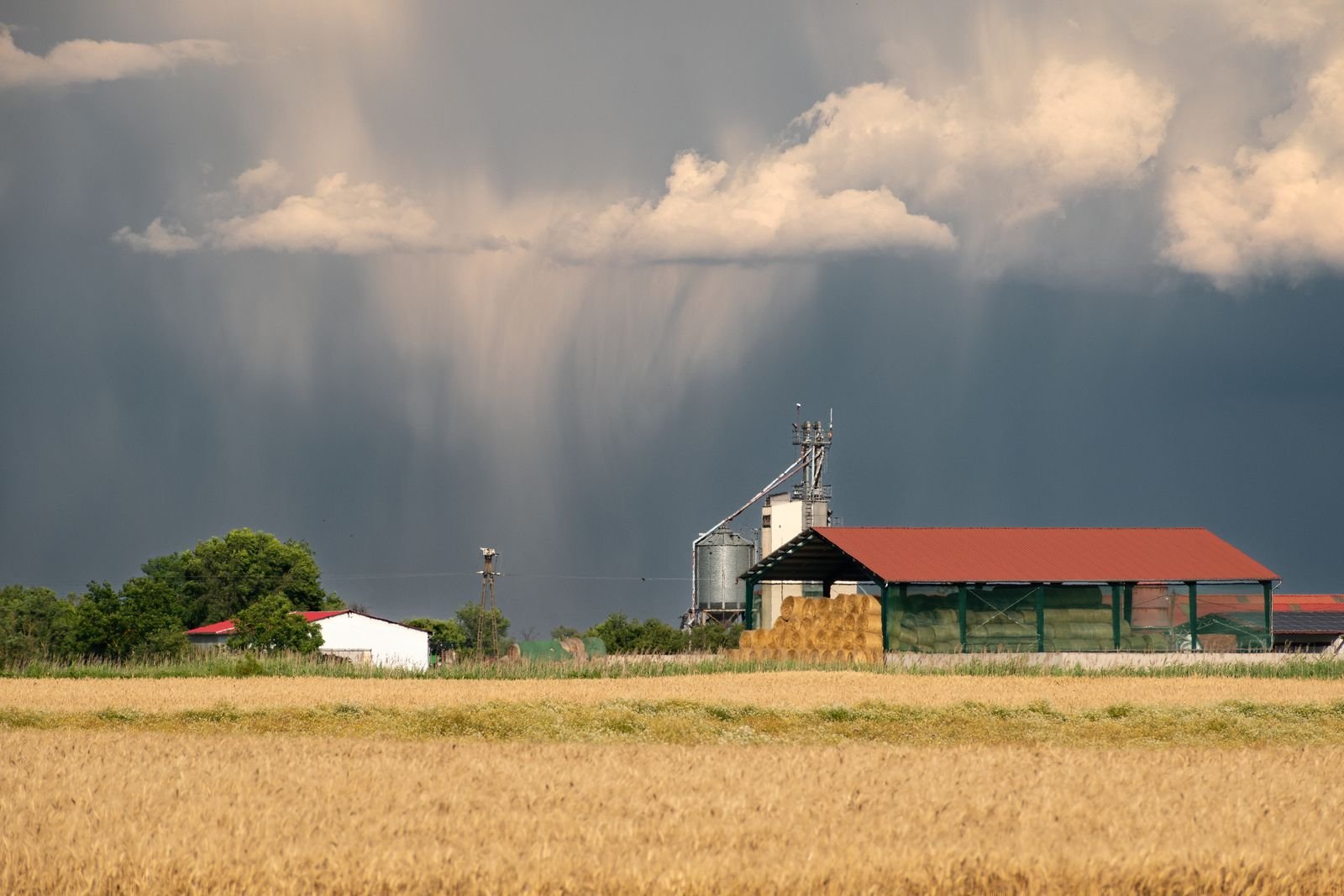
Booneville is forty minutes from our Belmont office, and Prentiss County sits in the same weather system we do. So we pulled the county out of FEMA’s OpenFEMA Disaster Declarations Summaries the same way we’ve pulled Tishomingo and Monroe. The file lists 22 federal declarations that designated Prentiss County between March 1973 and February 2026. Thirteen of those twenty-two are typed Severe Storm. Four are Hurricane. Two Winter Storm declarations landed in the first six weeks of 2026 alone.
That is the finding, and it needs a second sentence before anybody reads it as a panic number.
What “Severe Storm” actually means in the file
Federal declaration types are categories, not weather reports. A Severe Storm entry for Prentiss is usually a package — tornadoes, straight-line winds, and flooding written into the same title. Hurricane Katrina in 2005 and Hurricane Ida in 2021 show up as Hurricane type even though Prentiss is a long way from the Gulf. Winter Storm EM-3640 and DR-4899 in January and February 2026 are ice and snow, not spring tornadoes.
Read that way, the record is less “tornado county” and more “this corner of Mississippi keeps getting multi-hazard weather that qualifies for federal help.” The May 2025 declaration, DR-4874, is the familiar wording again: severe storms, straight-line winds, tornadoes, and flooding.
Two of the twenty-two are Biological — the COVID emergency and pandemic declarations from 2020. Those are real federal actions and they sit in the same table, but they are not weather. Strip them out and the weather-and-storm file is twenty declarations over fifty-three years.
The part that does not flatter the sales case
FEMA’s National Risk Index is a different product from the declaration file, and it undercuts the scare reading. RiskByCounty’s summary of NRI v1.20 for Prentiss County shows a composite score of 51.5 out of 100, an official rating of Relatively Low, and a state rank of 40th of 82. Mid-pack. Not a hotspot.
Inside that mid-pack county, the selected hazard scores still put earthquake at 87.6 and tornado at 72.9, with flood at 40.6. We wrote the same pattern for Lee County earlier this year: the New Madrid shoulder lifts the earthquake ranking even when the composite stays moderate. A high relative hazard score is a ranking against other counties. It is not a probability that a quake or an EF3 shows up next Tuesday.
So the honest pair of sentences is: Prentiss County has a long federal declaration file dominated by severe-storm packages, and FEMA still rates the county Relatively Low overall. Both can be true at once.
What the file is useful for, practically
None of this rewrites a homeowners form. What it does is tell you which pages of that form are worth reading before November and before the next ice week, not after.
Most homeowners forms written around Booneville and Baldwyn treat wind and hail as a covered peril, though a real share carry a separate wind and hail deductible, often as a percentage of the dwelling limit. Flood is a separate purchase from homeowners — it always has been — and a federal declaration for flooding does not put flood coverage onto a homeowners policy that never bought it. Winter storm and freeze language, ice damming, and water damage from burst pipes live in still other paragraphs. Forms vary on all of that more than people expect.
The document that answers for a specific house is the policy in the file drawer, not the OpenFEMA table.
Ten minutes with two tabs open
One tab on the OpenFEMA disaster page if you want to see how the titles read. One tab on your own declarations page, looking for wind deductibles, water exclusions, and whether flood or earth movement shows up as anything other than an exclusion. Whatever you find there is the actual answer for your place.
If you’d rather go through those pages across a desk, stop by the Belmont office, see our home insurance page, or call or text 662-454-7831.
This article is general information about how coverage typically works, not advice about your specific situation. Your policy is the contract, and it’s the only thing that says what you have. If you’d like someone to read it with you, that’s what we’re here for.