Commercial Property Insurance
The building, what's in it, and the income it produces. Commercial property is the policy that lets you reopen after the bad day.
What Is Commercial Property Insurance?
Commercial property insurance covers the building your business owns or leases, the business personal property inside it — inventory, equipment, furniture, tenant improvements — and, with business income coverage, the revenue you lose while you cannot operate after a covered loss. Property is generally covered at the address shown on the declarations page, which is why tools in the truck and equipment at a job site are usually a separate inland marine question.
Why Commercial Property Insurance Matters
A commercial property form has conditions that decide what a claim actually pays. Coinsurance — commonly 80, 90 or 100 percent — sets a minimum limit relative to the building's value; fall short of it and even a partial loss is paid at a reduced ratio, before the deductible. A vacancy condition commonly kicks in after 60 consecutive days empty and cuts coverage for vandalism, water damage and theft. Construction costs move; building limits often don't. That gap is how a business that never changed anything ends up short.
Who Needs Commercial Property Insurance?
Main-street storefronts, shops, restaurants, churches, warehouses, contractors with a yard, landlords with a commercial building, and any tenant who owns the fixtures and inventory inside someone else's walls. If you have a building between tenants, or a seasonal inventory swing, there are specific endorsements for both.
Coverage Highlights
- Building coverage at replacement cost
- Business personal property — inventory, equipment, furniture
- Business income and extra expense
- Tenant improvements and betterments
- Peak season inventory endorsements
- Ordinance or law coverage for code upgrades
- Equipment breakdown and inland marine options
Local Considerations
We live in storm country, and the same wind and hail questions that come with a house apply to a commercial roof — plus the ones a home never gets asked, like whether the limit still matches today's rebuild cost and whether the building has sat empty. Tupelo retailers see real seasonal inventory swings; a peak season endorsement adds a scheduled limit for scheduled dates. Older main-street buildings in our footprint raise the ordinance-or-law question, because rebuilding to current code costs more than rebuilding what was there.
Where We Write Commercial Property Insurance
Three offices, one agency. Walk into whichever is closest, or start online and the people who know your town will pick it up.
How Our Quote Process Works
We Start with a Conversation
We take time to understand what you're trying to protect and what matters most to you.
We Shop Multiple Carriers
We compare options across 20+ insurance companies to find coverage that actually fits — not just the cheapest number on paper.
We Review for Gaps
We check for coverage gaps, exclusions, and structure — not just price — so you're not surprised later.
We Walk You Through It
We explain your options in plain English, answer questions, and help you make a confident decision.
Get a Commercial Property Insurance Quote
We'll shop multiple carriers and walk you through your options — no obligation, no runaround.
Request a QuoteOther Coverage Options
Commercial Property Insurance Questions We Actually Get
Straight answers to what people ask us around here.
What is coinsurance on a commercial property policy?
What happens to coverage if my building sits empty?
Does the policy cover my lost income while we're closed?
My holiday inventory doubles. Is it covered?
Got one that isn't here? Ask us directly — or see the full FAQ.
Information is general in nature and may not reflect your specific situation. Contact us for personalized guidance.
Real People
Who You'll Actually Talk To
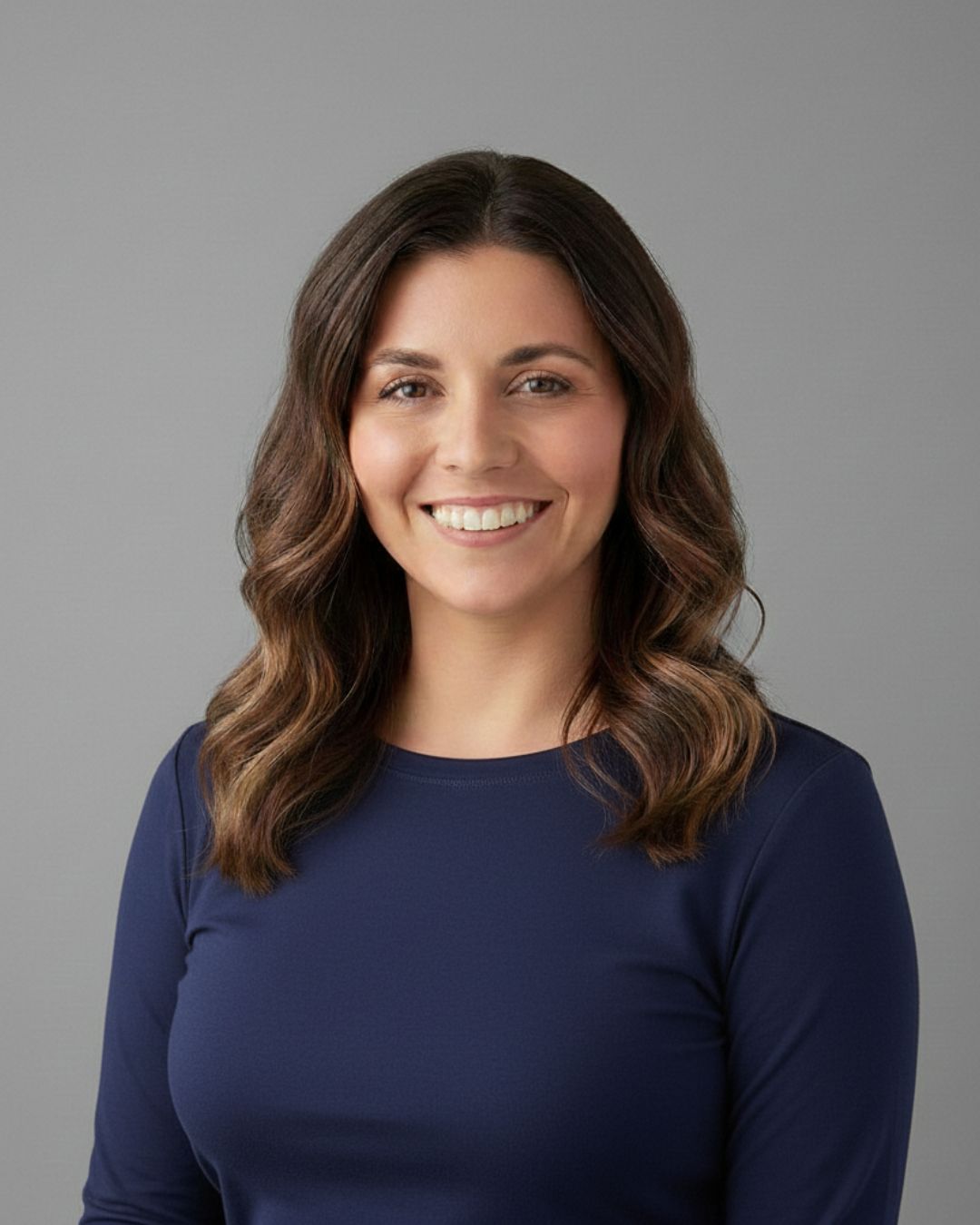
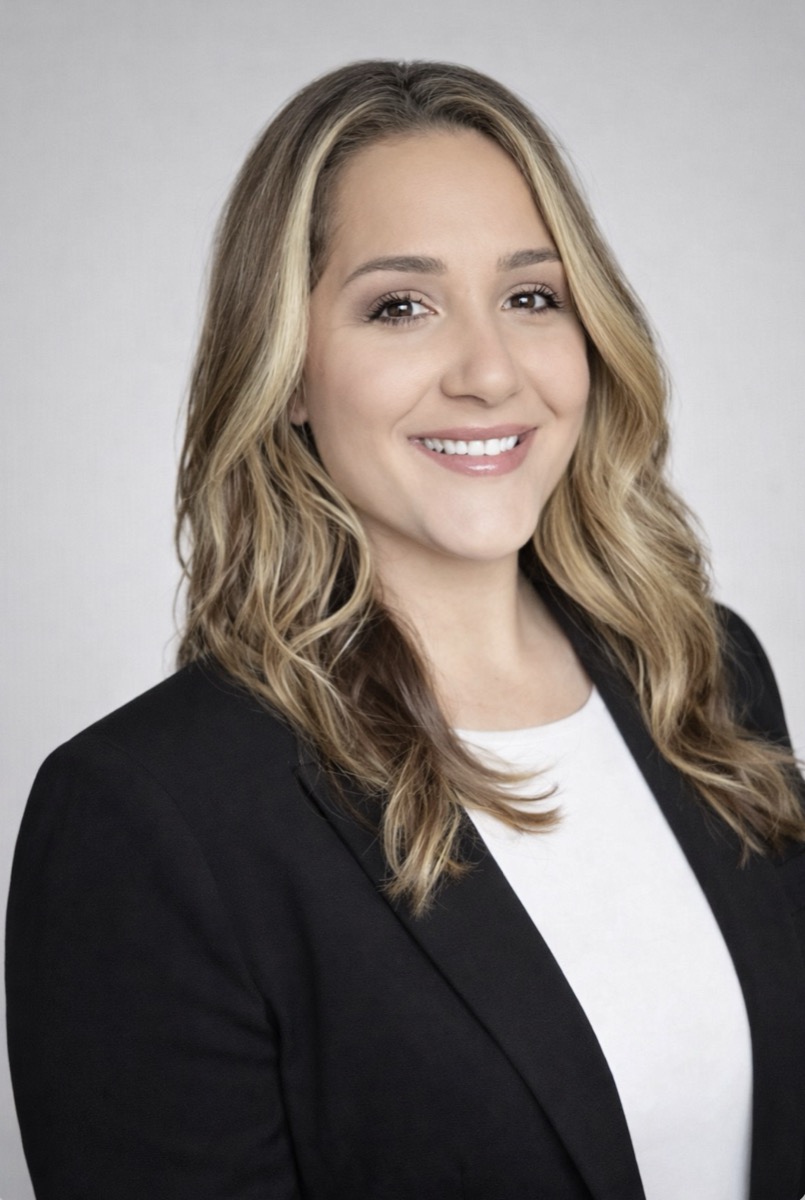
No phone trees and no call centre. When you call about commercial property insurance, one of these people picks up.


Let's Talk About Your Commercial Property Insurance
No sales pitch — just a conversation about what you need and what your options look like. We'll take it from there.