Commercial Auto Insurance
Once a vehicle works for a living, a personal auto policy usually stops covering it. Commercial auto picks up where that leaves off.
What Is Commercial Auto Insurance?
Commercial auto insurance covers the vehicles your business owns, leases, hires or borrows — liability for the people you hit, physical damage to the truck or van, medical payments, and uninsured motorist coverage. A personal auto policy is built around personal, everyday use, and most include exclusions for business-related driving. Hauling tools between job sites, making deliveries, or putting a company-owned vehicle on the road are the clearest signals you need a commercial policy.
Why Commercial Auto Insurance Matters
The real risk is not a higher premium. It is a denied claim after an accident that leaves you — or your business — personally responsible. Commercial auto is also where the policy symbols matter: hired autos, non-owned autos driven by employees, and the trucks you own can each sit on a different part of the declarations page. We read those with you so the policy is looking at the vehicles that actually move for the business.
Who Needs Commercial Auto Insurance?
Contractors, service crews, delivery operations, farms, and anyone with a company vehicle or a trailer in the business name. For-hire trucking has its own rules: a truck over 10,000 pounds GVWR hauling nonhazardous property across state lines carries a federal minimum of $750,000 in public liability, and the MCS-90 endorsement that goes with it. A truck that never leaves Mississippi is a different conversation.
Coverage Highlights
- Liability for bodily injury and property damage
- Collision and comprehensive on owned vehicles
- Hired and non-owned auto coverage
- Uninsured/underinsured motorist protection
- Trailers and specialized equipment
- MCS-90 and filings for for-hire trucking
- Certificates of insurance for contracts
Local Considerations
A lot of the work around here crosses state lines on US-72 — a crew based in Tishomingo County working jobs in the Shoals, a delivery route into Tennessee. Commercial policies name the states they respond in, and we write in Mississippi, Alabama and Tennessee so the policy can follow the work. Lee County alone has about 2,550 employer establishments; most businesses in Tishomingo County are one-person operations. Both need a policy sized to how the vehicle is actually used.
Where We Write Commercial Auto Insurance
Three offices, one agency. Walk into whichever is closest, or start online and the people who know your town will pick it up.
How Our Quote Process Works
We Start with a Conversation
We take time to understand what you're trying to protect and what matters most to you.
We Shop Multiple Carriers
We compare options across 20+ insurance companies to find coverage that actually fits — not just the cheapest number on paper.
We Review for Gaps
We check for coverage gaps, exclusions, and structure — not just price — so you're not surprised later.
We Walk You Through It
We explain your options in plain English, answer questions, and help you make a confident decision.
Get a Commercial Auto Insurance Quote
We'll shop multiple carriers and walk you through your options — no obligation, no runaround.
Request a QuoteOther Coverage Options
Commercial Auto Insurance Questions We Actually Get
Straight answers to what people ask us around here.
I use my personal truck for work. Isn't my personal policy enough?
Does commercial auto cover the tools in the truck?
What are hired and non-owned autos?
What does a for-hire truck have to carry?
Got one that isn't here? Ask us directly — or see the full FAQ.
Information is general in nature and may not reflect your specific situation. Contact us for personalized guidance.
Real People
Who You'll Actually Talk To
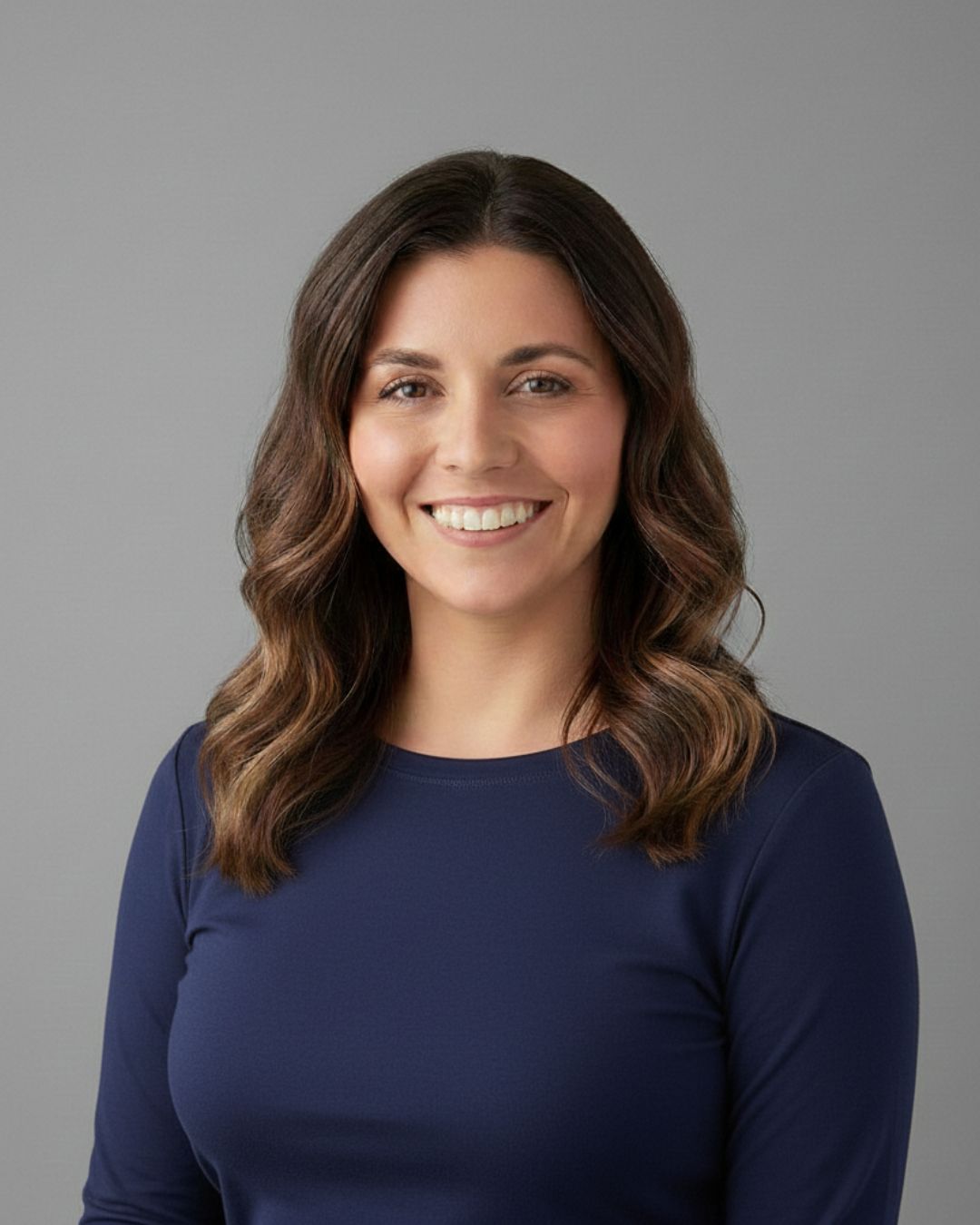
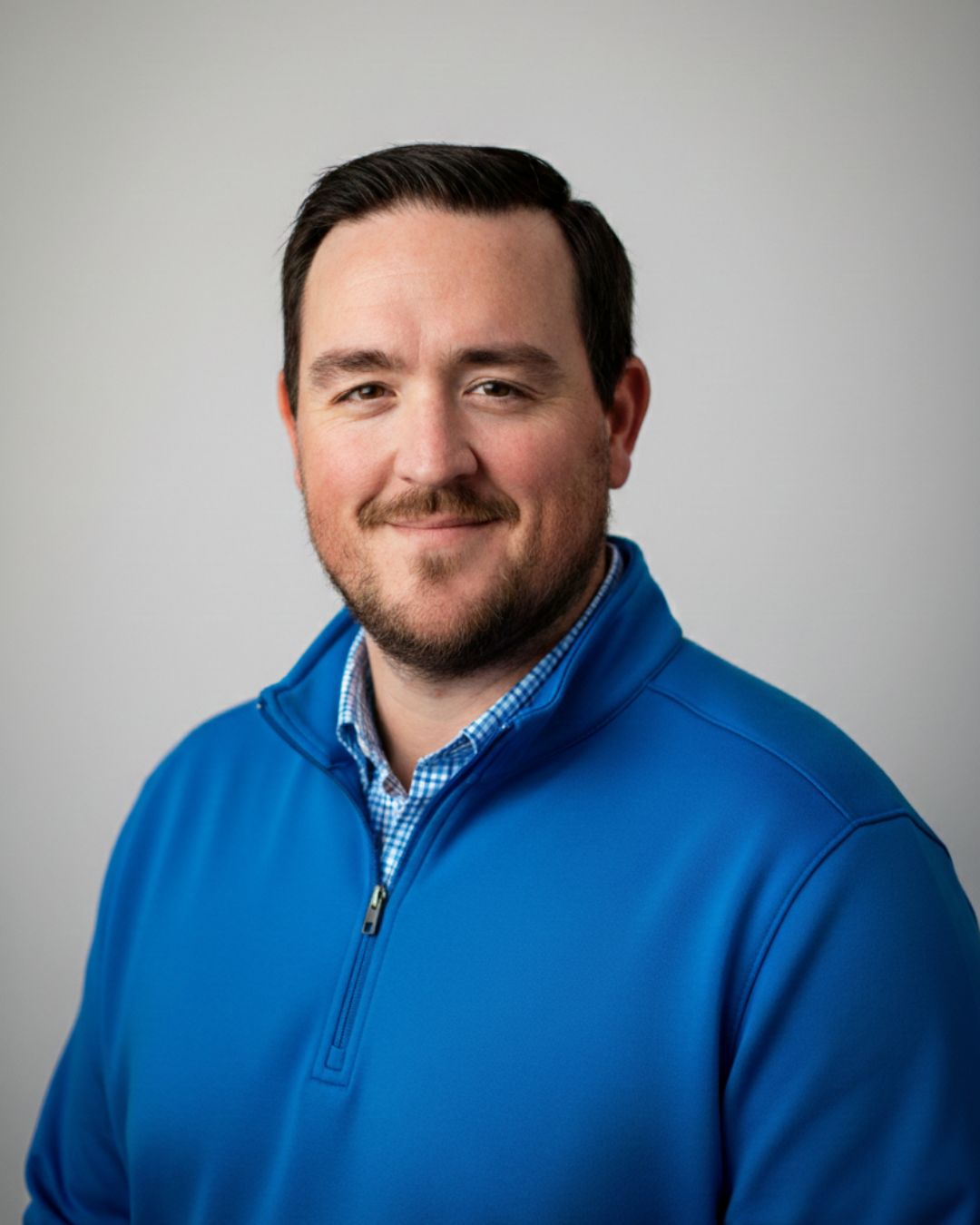
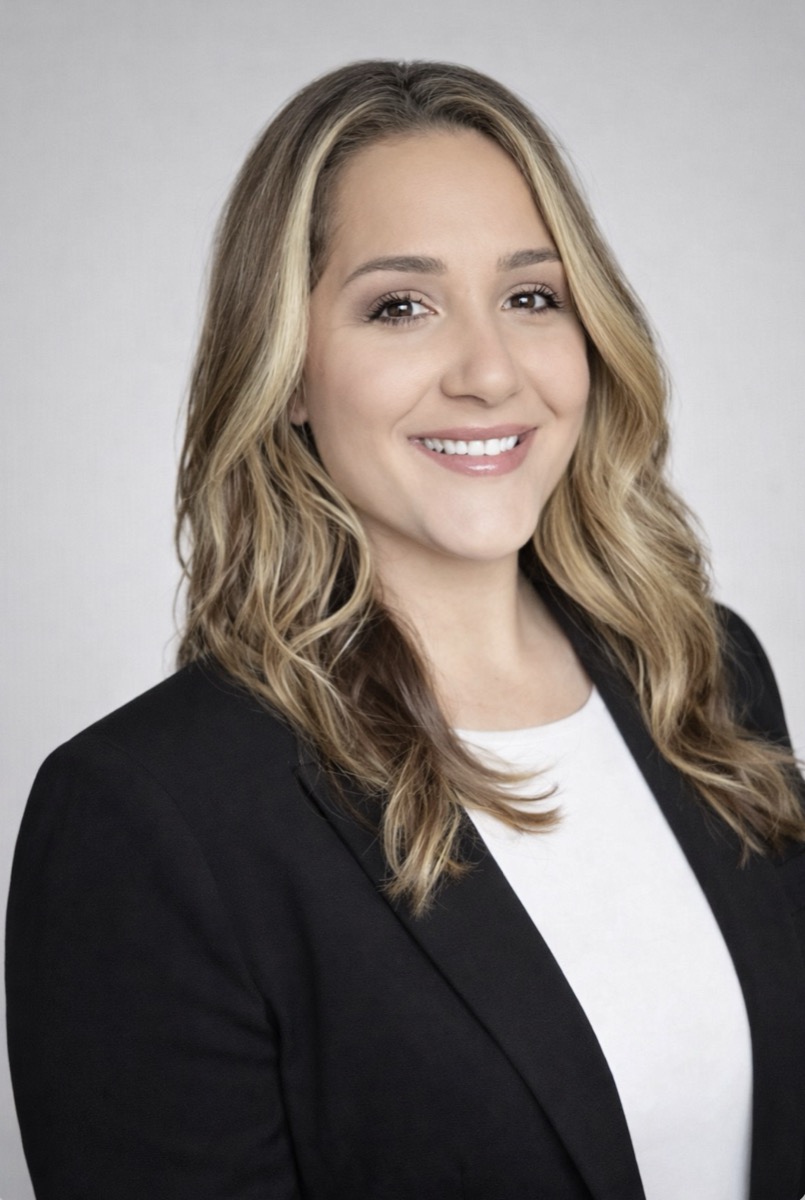
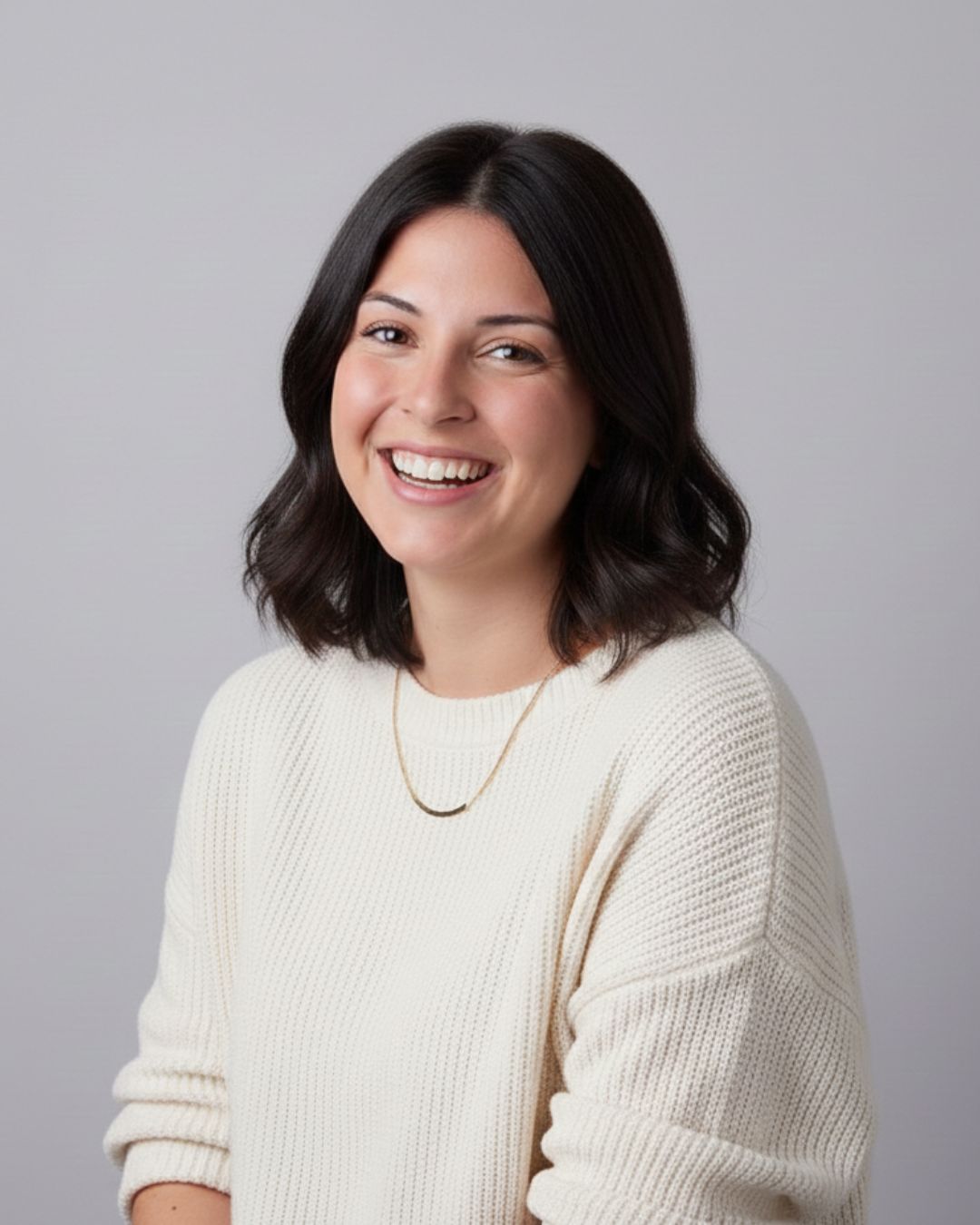
No phone trees and no call centre. When you call about commercial auto insurance, one of these people picks up.
Let's Talk About Your Commercial Auto Insurance
No sales pitch — just a conversation about what you need and what your options look like. We'll take it from there.