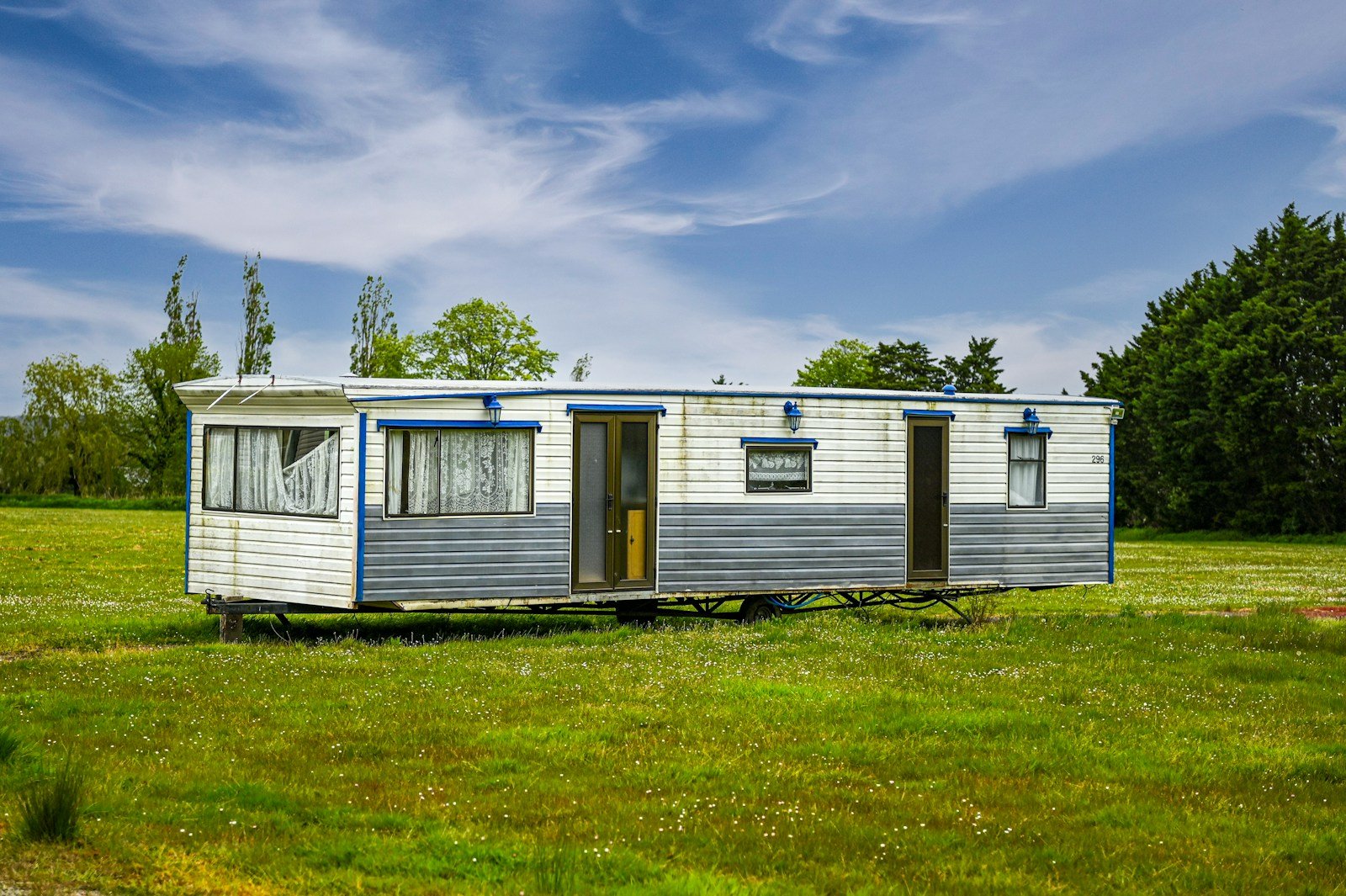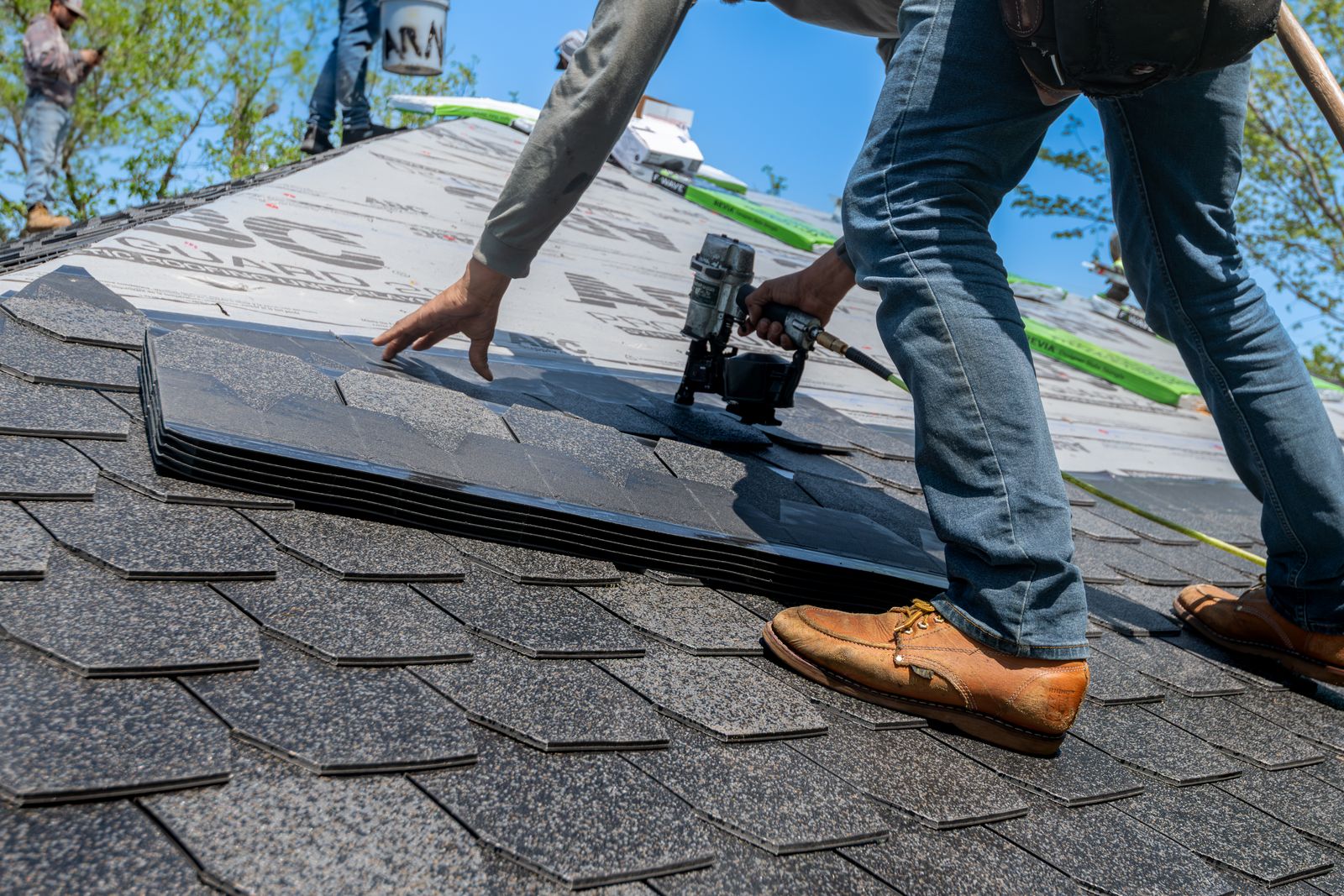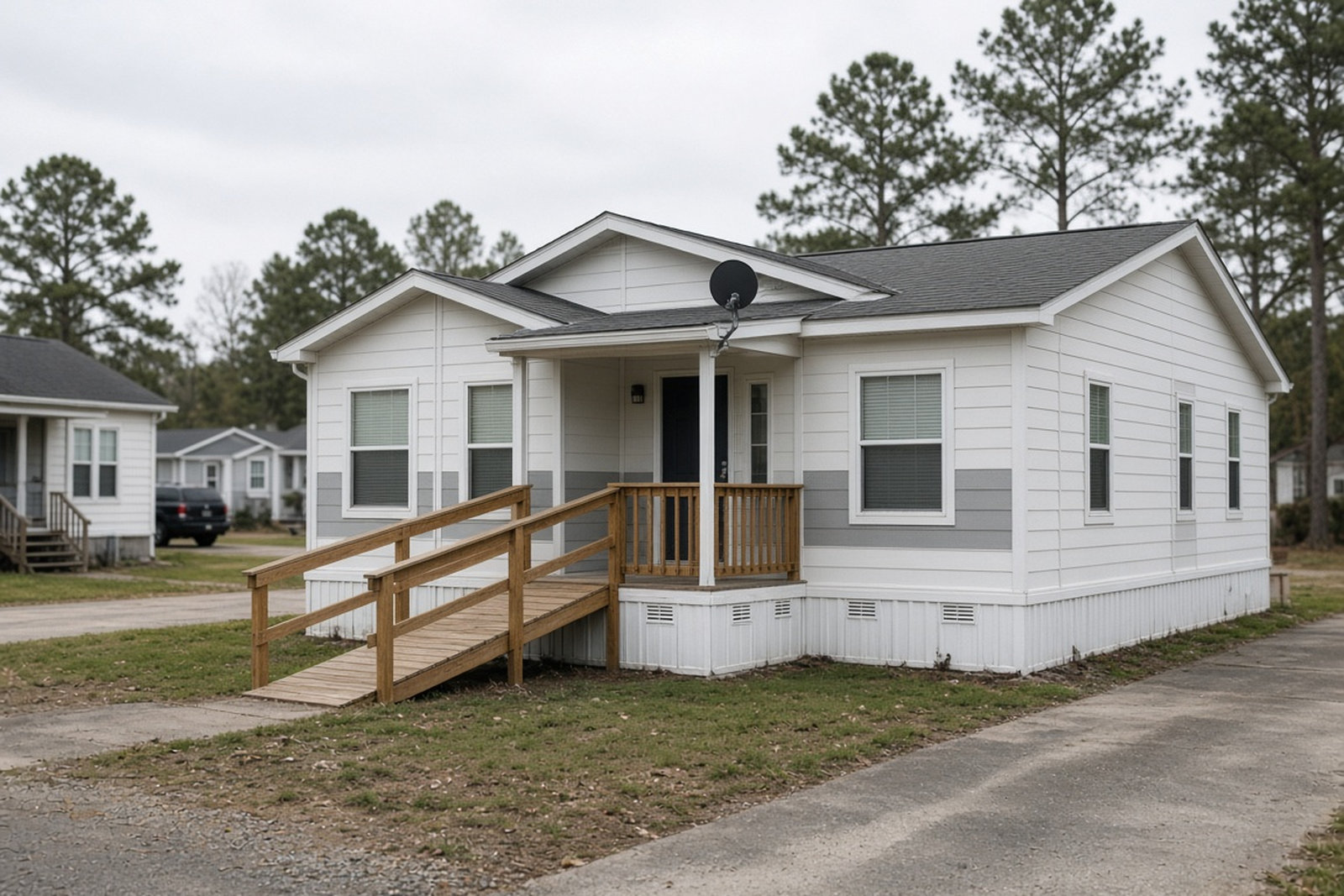
A manufactured or mobile home in northeast Mississippi is usually insured on a mobile home policy rather than a standard homeowners policy. It covers the same basic things: the home, your belongings, liability if someone gets hurt, and living expenses if you can’t stay there after a covered loss. What changes the price and the payout most is the year the home was built, how it’s anchored, and whether a claim is paid at replacement cost or actual cash value.
Here’s what we walk through with people in Tupelo, Belmont, Iuka, and the towns in between.
The 1976 line
Homes built on or after June 15, 1976 were built to the federal manufactured home construction and safety standards, usually called the HUD Code. Homes built before that date are often called “mobile homes” in the strict sense, and many carriers treat them differently.
For a pre-1976 home, you may find:
- Fewer companies willing to write it
- Coverage limited to actual cash value
- Higher deductibles, or an inspection before the policy is issued
It doesn’t mean an older home can’t be insured. It means you’ll want someone shopping it who knows which carriers take them. If you’re not sure of the year, the data plate or HUD label on the home usually says. Our post on Mississippi’s factory-built home rules has more on how the state handles these homes.
Actual cash value vs. replacement cost
This is the biggest money question on a mobile home policy.
- Actual cash value pays what the damaged part was worth at the time of the loss, after depreciation. On an older home or an older roof, that can be a lot less than the repair bill.
- Replacement cost pays closer to what it takes to repair or replace with similar materials, without taking depreciation out.
Some policies use replacement cost for the home and actual cash value for the roof, or the other way around. Our post on roof loss settlements explains how that split works. Read the declarations page, not just the quote.
What carriers ask about
When you apply, expect questions on:
- Tie-downs and anchoring. Wind is the big risk for a manufactured home in Mississippi. Proper anchoring can help you get coverage and may affect price.
- Skirting and steps. Missing skirting and loose steps come up on inspections.
- Roof age and type. A newer roof or a roof-over can help.
- Heating. Wood stoves and space heaters may need to be disclosed.
- Land. Whether you own the lot, rent it in a park, or have a mortgage on it changes what coverage you need and who’s listed on the policy.
- Outbuildings, decks, and carports. These may need their own limit.
Coverage people miss
- Moving the home. Many policies don’t cover a home while it’s being moved unless you add trip coverage. If you’re relocating it, call before the transport company shows up.
- Debris removal. Hauling off a damaged home costs money, and some policies limit it.
- Flood. Like a site-built home, a mobile home policy usually doesn’t cover flood. Flood is a separate policy.
- Liability. If friends and family visit, the liability part matters as much as the dwelling.
Mississippi is a duty-to-read state, which means you’re expected to know what your policy says. If you want help reading yours, or you’re buying a manufactured home and need a quote, call or text 662-454-7831, see our home insurance page, or request a quote. Come by the Tupelo office if it’s easier to talk it through in person.
This article is general information about how coverage typically works, not advice about your specific situation. Your policy is the contract, and it’s the only thing that says what you have. If you’d like someone to read it with you, that’s what we’re here for.