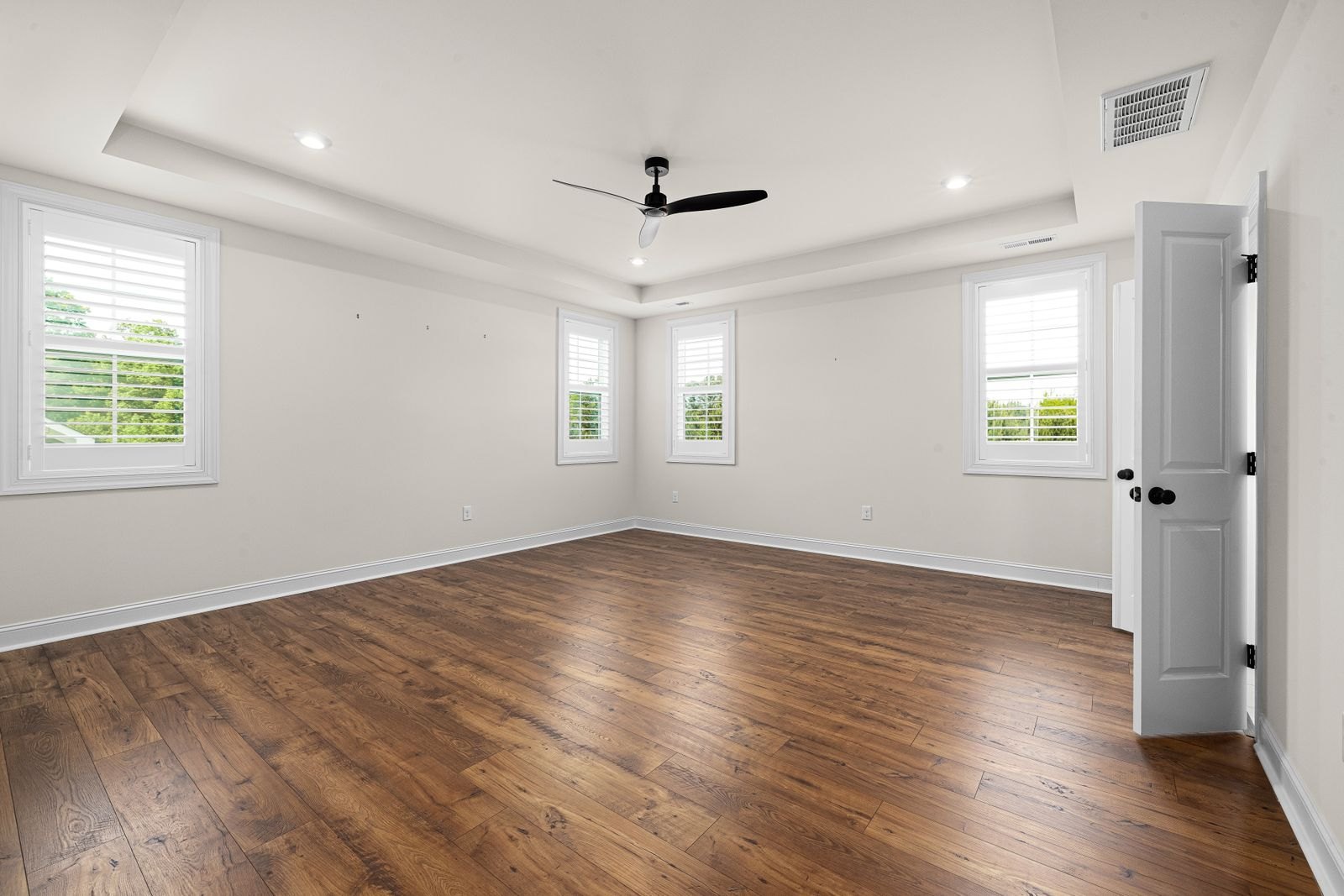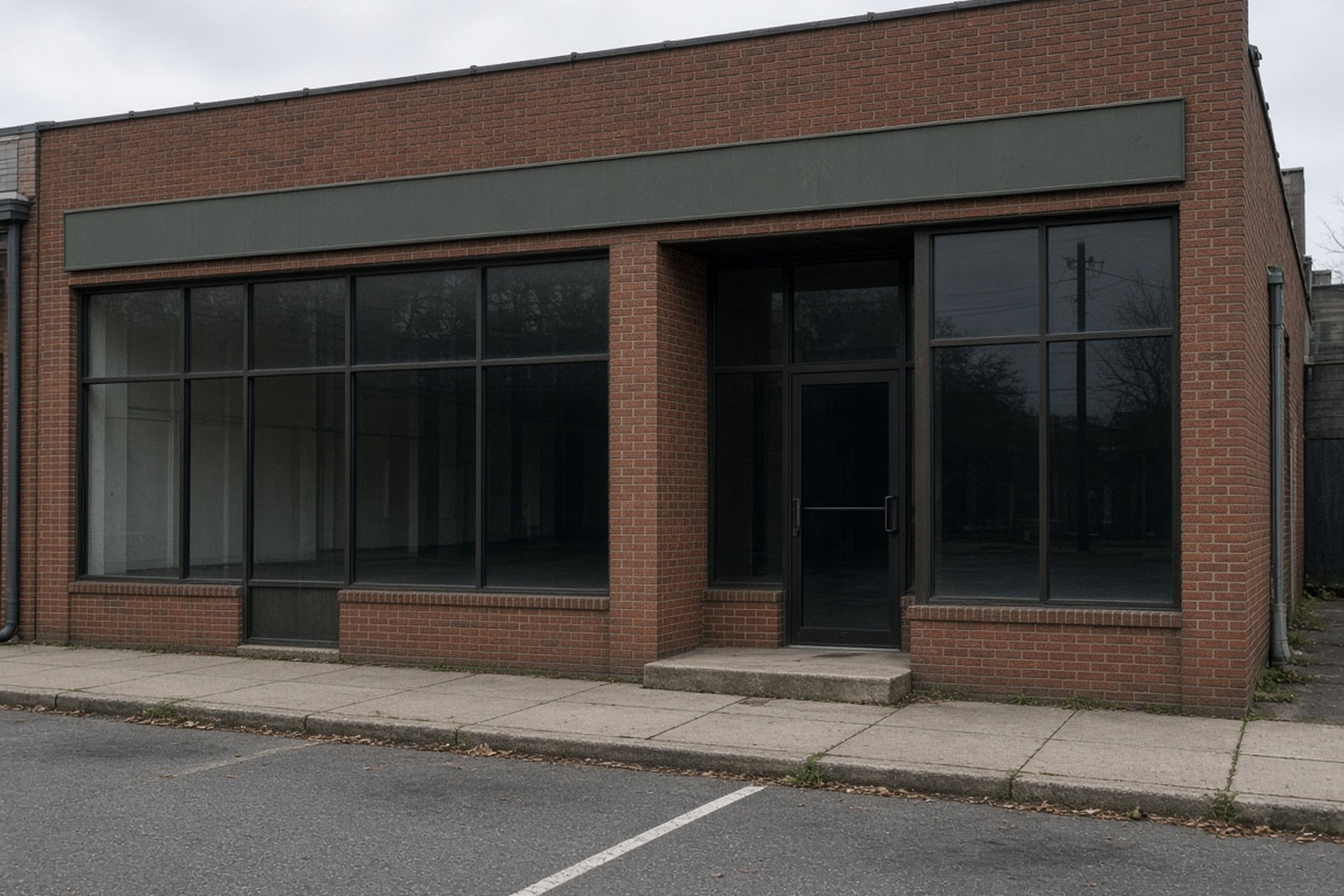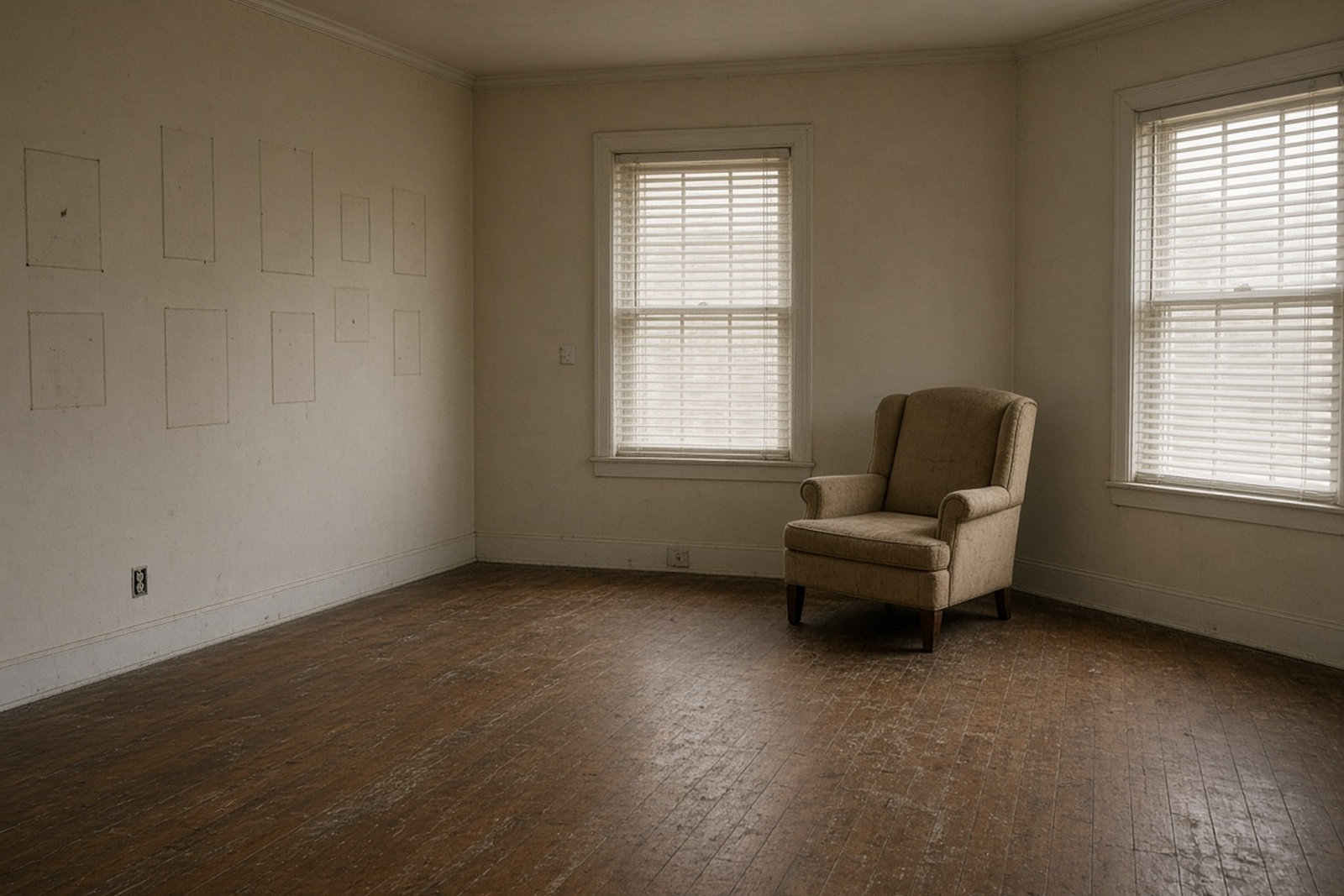
When you inherit a house in Mississippi, the parent’s homeowners policy usually doesn’t stop the day they pass. The standard homeowners form keeps insuring the property for the estate’s legal representative, the executor or administrator, but it isn’t automatically yours, and it was written for a house someone lives in. Once the house has sat empty for more than 60 days in a row, many policies stop paying for some kinds of damage. The first call to make is to the insurance company, before that clock runs out.
We have this conversation often in Iuka and Belmont, usually a few weeks after a funeral, and usually with someone who lives two hours away.
What happens to the policy
Most homeowners policies use language close to the industry’s standard form. That form has a “death” condition: if the named insured dies, the policy continues to insure the legal representative, but only for the premises and property that were covered at the time of death. Someone looking after the property before an executor is appointed is generally treated the same way for that stretch.
What the policy doesn’t do is transfer itself to the heirs. Most forms say the policy can’t be assigned to someone else without the insurer’s written consent. So “Mom’s policy is still paid up” is true, and it isn’t the whole story. The name on it, the person it protects, and the way the house is being used have all changed.
The 60-day problem
A homeowners policy prices a house with someone living in it, someone who notices a dripping supply line, smells smoke, and locks the door. An empty house has none of that. According to the Insurance Information Institute, most homeowners policies include a vacancy clause that limits or excludes coverage once a home is unoccupied for typically 30 to 60 consecutive days.
On the common standard form, the provisions that change at 60 days include:
- Vandalism and malicious mischief, typically excluded once the house has been vacant more than 60 consecutive days before the loss.
- Glass breakage, which is restricted on the same timeline.
Some companies go further and won’t renew a home that’s been vacant that long. Water damage is the other worry. A pipe that freezes in January in a house nobody’s checked can run for days, and some policies treat freezing in an unheated house differently unless the heat was kept on or the water shut off and drained.
“Vacant” and “unoccupied” aren’t always the same thing on paper, and policies define them differently. A house with furniture still in it may be treated differently from one that’s been cleared out. Your policy is what answers this.
What most families end up doing
There are usually three paths while the estate is settled:
- Keep the existing policy for now. Tell the insurer about the death and who’s handling the estate. Some companies will keep the policy in force, sometimes with conditions, for a while.
- Add a vacancy endorsement. Some insurers offer an endorsement that restores some of the coverage that drops away after 60 days, for a set period.
- Move to a dwelling or vacant-home policy. These are written for houses no one lives in, including ones being cleaned out, repaired, or listed for sale. They usually cost more and cover less than a homeowners policy, which reflects the risk, not a markup.
A practical list for the first few weeks: keep the premium paid from estate funds, keep the heat on low or have the water shut off and lines drained before the first hard freeze, have someone check the house on a schedule, and keep the yard looking lived in.
The honest part
If a family member is moving into the house within a few weeks, or the house will sell quickly, the existing policy may be all you ever need, and a separate vacant policy may be overkill. The vacancy rules matter most for the house that sits a season or a year while siblings decide what to do. That’s also the house where a missed frozen pipe does the most damage.
Talk to us before the 60 days run out
If you’re handling a parent’s house in Tishomingo, Prentiss, Alcorn, or Itawamba County, see our home insurance page or request a quote for the house as it stands now. Call or text 662-454-7831, bring the current declarations page by our Iuka office, and we’ll help you sort out what’s in place and what the next few months need.
This article is general information about how coverage typically works, not advice about your specific situation. Your policy is the contract, and it’s the only thing that says what you have. If you’d like someone to read it with you, that’s what we’re here for.