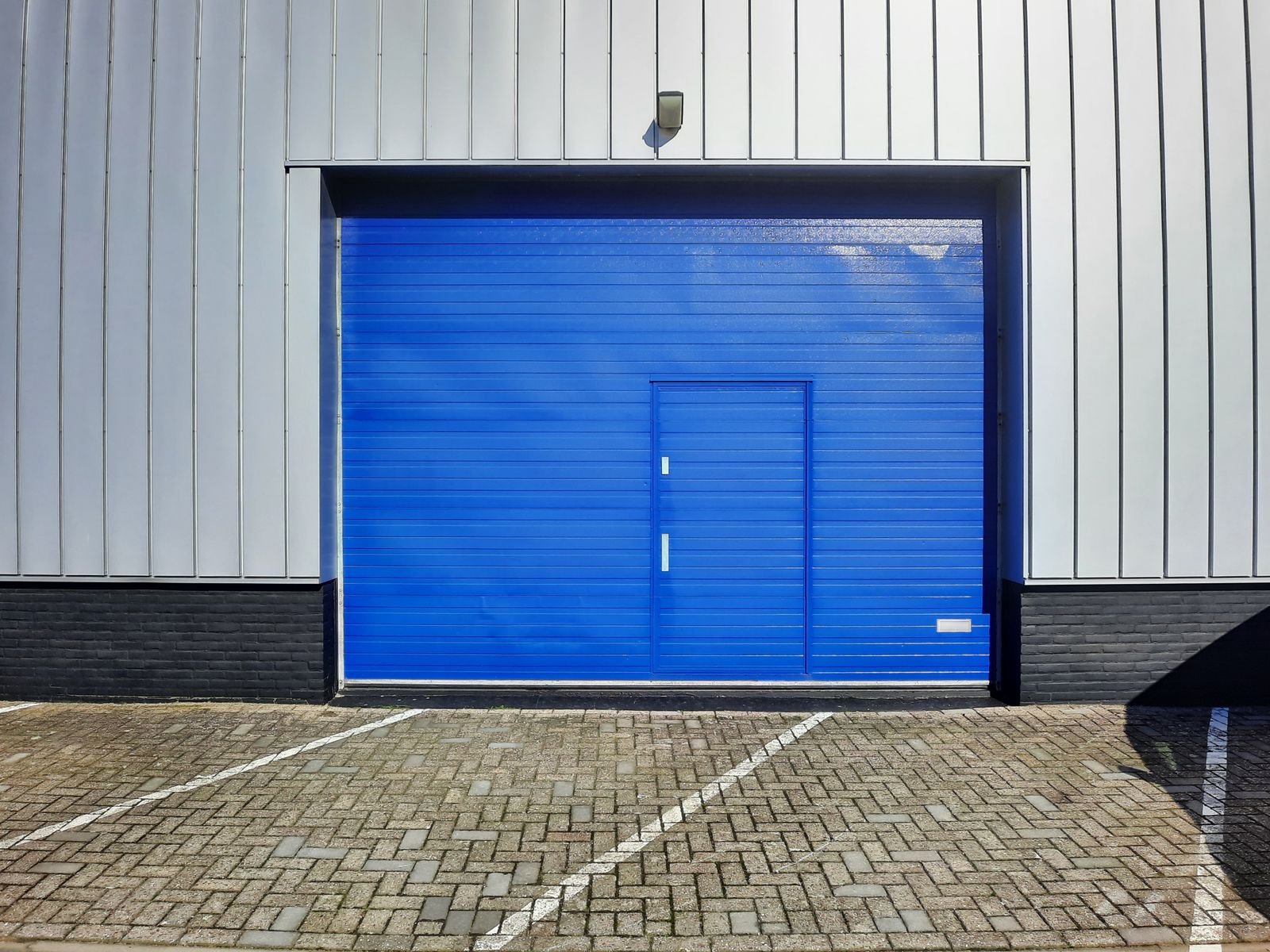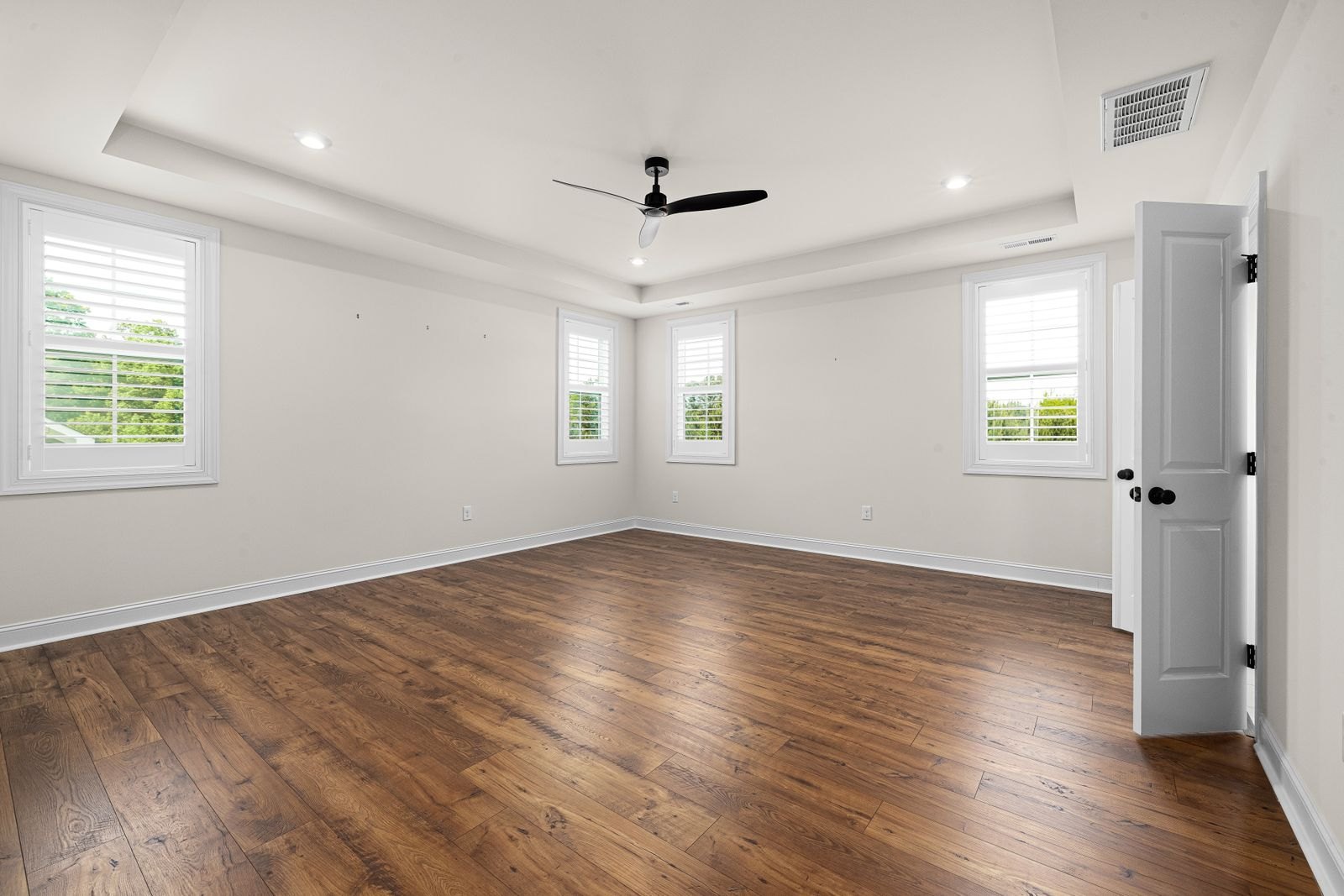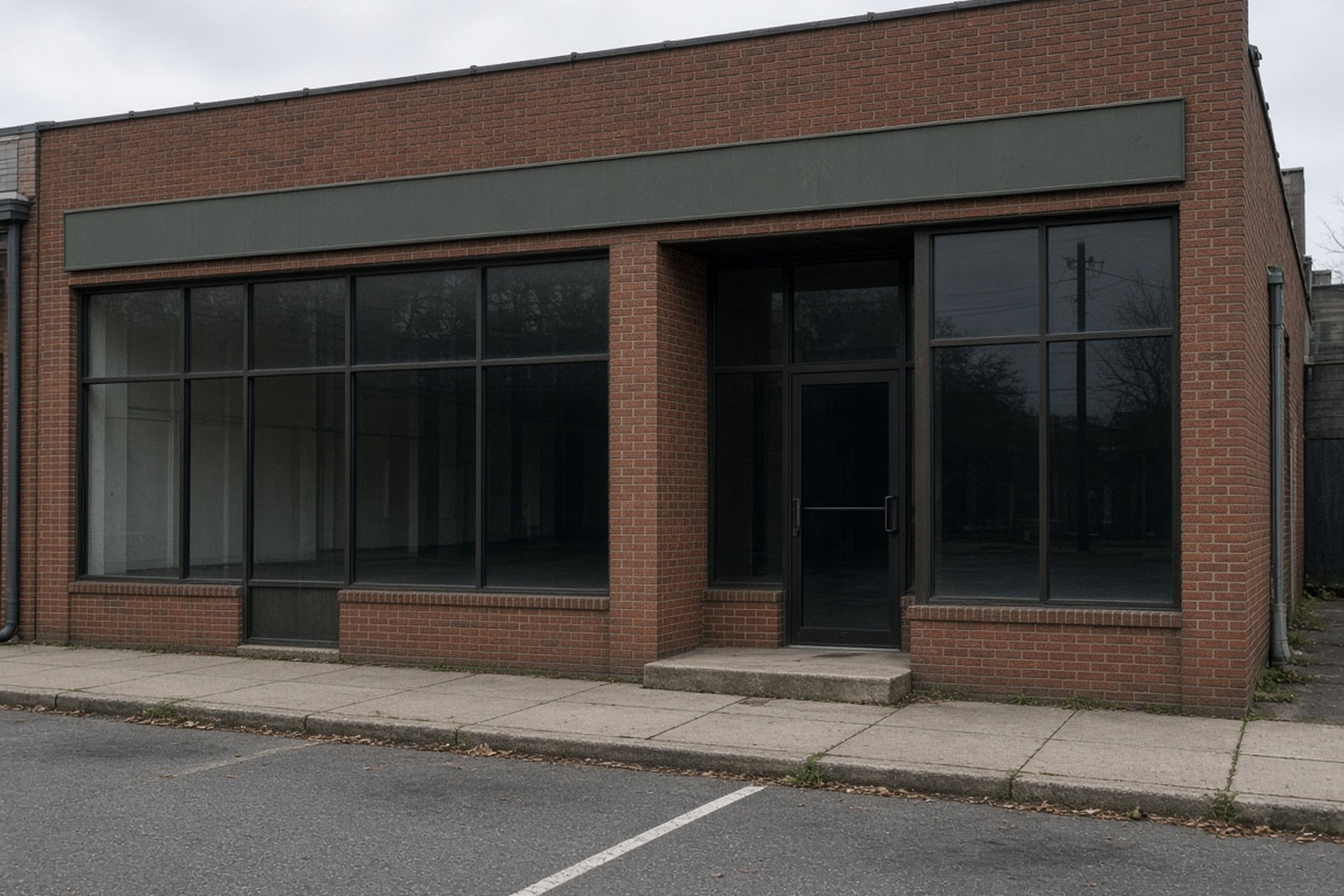
If you own a commercial building in Tupelo, Booneville, or along US-72 and the tenant moves out, the clock that matters is usually 60 days. Many commercial property policies include a vacancy condition: once the building has been vacant for more than 60 consecutive days, common versions of the form stop paying for certain losses, such as vandalism, glass breakage, water damage, and theft, and reduce what they pay on most other covered losses. The exact rule is in your policy, and it’s worth reading before the building goes dark, not after.
Why insurers care about an empty building
An empty building isn’t just a building with no rent coming in. Nobody notices the slow drip under the sink, the back door that didn’t latch, or the copper someone pulled out over a long weekend. Small problems get large before anyone walks in. Insurers price that risk differently, and the vacancy condition is how the standard forms account for it.
How the vacancy condition usually works
Many commercial property policies are built on standard forms that most carriers adapt. A common version works like this:
- The trigger. The building has been vacant for more than 60 consecutive days before the loss.
- Losses that typically aren’t paid once it applies. Vandalism, sprinkler leakage (unless the system was protected against freezing), building glass breakage, water damage, theft, and attempted theft.
- Everything else. Other covered losses are commonly paid at a reduced amount. A 15% reduction is a figure many forms use.
The details vary by carrier and by endorsement, so treat that as the shape of the clause, not a promise about any one policy. Your policy is the thing that answers this.
Vacant isn’t always the same as unoccupied
This is where owners get caught. Many forms define a building as vacant unless enough of it is rented to a tenant and used for that tenant’s normal operations, or used by the owner for normal operations. Some forms treat a building under construction or renovation differently.
So a storefront with old fixtures still inside can be vacant on paper. A building where the owner stops by once a week to check the mail can still be vacant. And a multi-tenant strip where one unit is empty may or may not trigger the clause, depending on how much of the building is in use. Policies vary on this more than people expect.
Where the 60 days goes fast
The clause doesn’t care why the building is empty. Common situations around here:
- A tenant leaves at the end of a lease and the next one isn’t signed yet.
- A restaurant closes for the season or doesn’t reopen after a slow winter.
- An inherited building sits while the family decides what to do with it.
- A renovation stalls waiting on a contractor or a permit.
The part that doesn’t flatter anybody in this business: most owners find out about the vacancy clause from an adjuster. It’s in the policy they signed, Mississippi is a duty-to-read state, and the clause works the same whether anyone mentioned it or not.
What owners usually do about it
Owners who expect a gap typically take one of two routes. Some carriers will add a vacancy permit endorsement for a set period, which can restore some of what the vacancy condition takes away, often with conditions like keeping utilities on or checking the building regularly. Other owners move to a vacant building policy written for that situation. Either way, it’s a conversation to have before day 60.
A few practical habits help regardless: keep heat on through a January freeze, walk the building on a schedule, and keep notes and photos of each visit. If the building is older, how it would be rebuilt to current code matters too. We covered that in ordinance or law coverage. And if you’re adjusting limits while it’s empty, our post on the coinsurance penalty explains why underinsuring a building can cost more than it saves.
If you own a building that’s empty or about to be, call or text 662-454-7831, see our business insurance page, or request a quote. We’ll read the vacancy section with you at the Tupelo office.
This article is general information about how coverage typically works, not advice about your specific situation. Your policy is the contract, and it’s the only thing that says what you have. If you’d like someone to read it with you, that’s what we’re here for.