Insuring a house in Hardin or McNairy County follows Tennessee’s rules, even if the conversation happens in Iuka, a short drive south of the line. The structure of the policy is familiar. What is different is the housing mix around Savannah, Counce, Pickwick Dam, Selmer and Adamsville, and two purchases Tennessee’s insurance department talks about more than most Mississippi owners expect: flood, which is never part of a homeowners policy, and earthquake coverage, which is sold separately.
Our Iuka office is the one that sees these houses most often. Here is what we walk through.
Lake homes, farmhouses, and manufactured homes
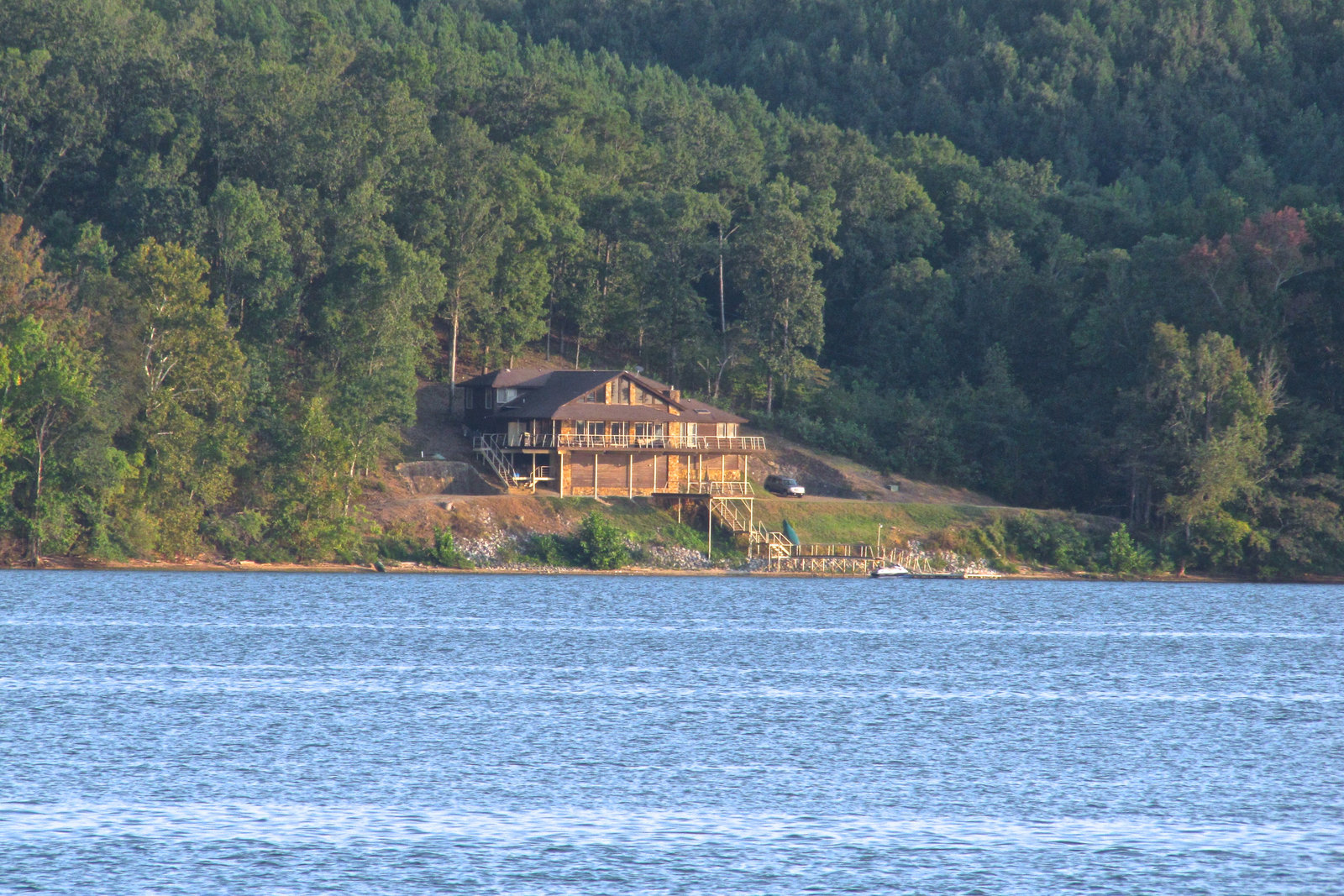
The Census Bureau’s 2024 American Community Survey 5-year estimates (table DP04) put some numbers on what you already see from the road. In Hardin County, 15.1% of housing units are mobile homes, and 27.4% of all units are vacant, more than two and a half times Tennessee’s 10.2% vacancy rate. A vacancy rate that high is what you get in a lake county: year-round houses in Savannah sit next to places at Counce and Pickwick Dam that are empty much of the year. In McNairy County, 17.4% of housing units are mobile homes, more than double the state’s 8.1%.
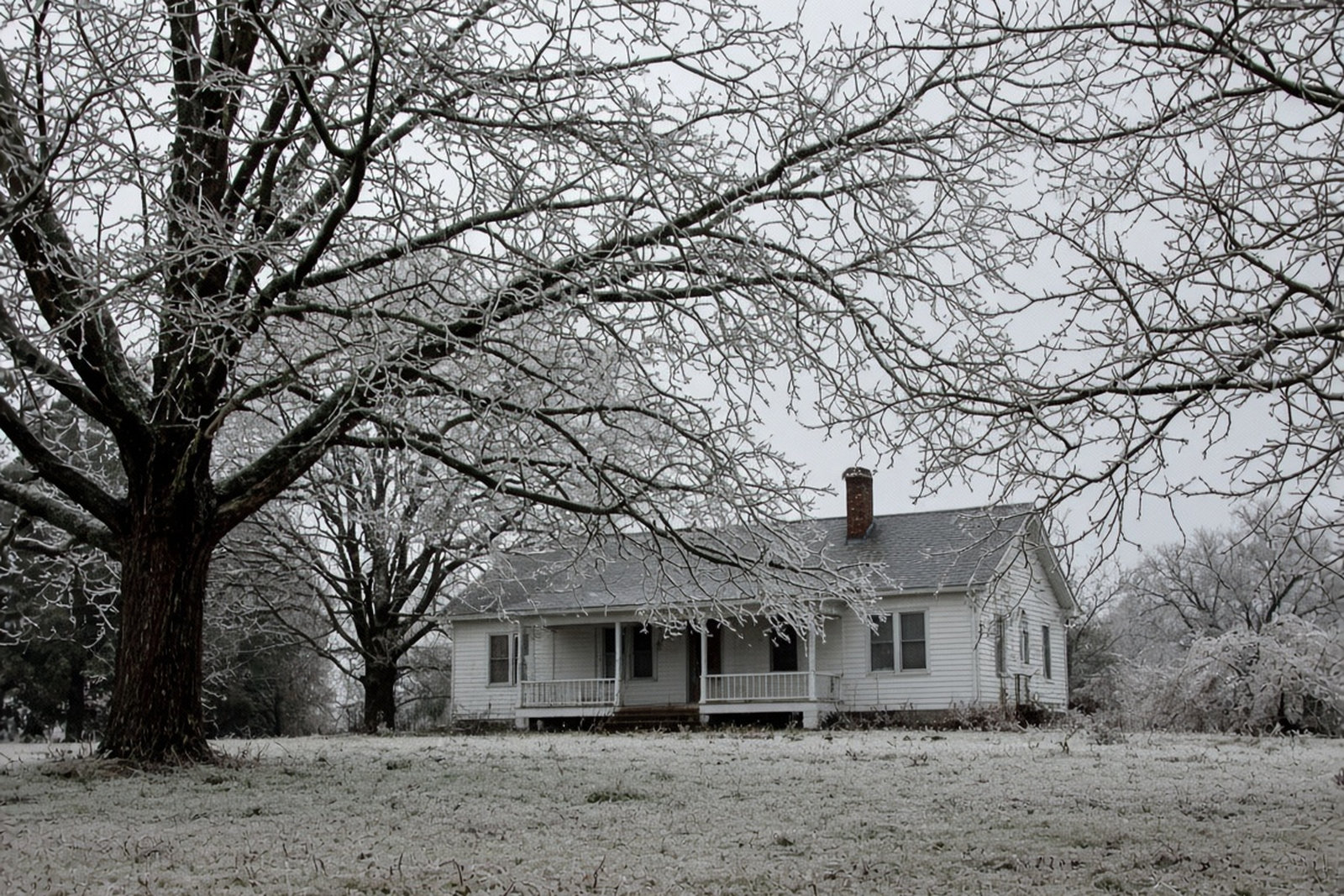
Those are not the same risk, and they are not always written the same way. A year-round farmhouse outside Selmer, a manufactured home in Adamsville, and a lake place that sits empty from Monday to Thursday can all be homeowners policies, or close cousins of one. Seasonal use, how the home is built, and whether anyone lives there year-round are the questions that tend to come up first. A short-term rental on Pickwick is a different conversation again; we have a separate post on insurance for those places.
How Tennessee describes the policy
The Tennessee Department of Commerce and Insurance’s consumer page on homeowners insurance lays out the usual parts in plain order:
- Damage to the house itself, up to the policy limit
- Other structures, such as a detached garage, shed or fence
- Personal property, with special limits that often apply to jewelry, antiques and artwork
- Additional living expenses if a covered loss makes the house unlivable
- Personal liability for accidents that injure other people or damage their property
- Medical expenses for injuries to other people, usually with a per-person and per-accident limit
The department also explains the difference between replacement cost and actual cash value. Replacement cost is what it would take to rebuild or repair with similar materials, without subtracting depreciation. Actual cash value subtracts depreciation. That distinction matters more on an older farmhouse or an older manufactured home than it does on a newer house in town. The department’s rule of thumb is to look at replacement value, not the sale price, and it notes that the land usually does not need to be included. Your declarations page is the only place that says which method yours uses.
Flood is a separate purchase. So is earthquake.
The same Tennessee consumer page is blunt about flood: damage from flooding is not included in a homeowners policy. Coverage for rising water from the Tennessee River, Pickwick Lake or a heavy-rain creek is a separate purchase, usually through the National Flood Insurance Program. That is the same rule we tell people in Mississippi. It does not change at the state line.
Earthquake is the piece that gets more attention in Tennessee. In a February 2026 reminder for Earthquake Awareness Month, the department said traditional homeowners and business policies do not cover earthquake damage, and that earthquake insurance is sold separately by licensed producers. It also said the deductible is usually 10% to 20% of the coverage limit. On a $200,000 dwelling limit, a 10% earthquake deductible would be $20,000. That is the department’s example, not a quote, and the only number that matters is the one on a given policy.
West Tennessee sits closer to the New Madrid seismic zone than most of the hill country we work in on the Mississippi side. Hardin and McNairy are not Memphis, and a damaging quake in the modern record is not a weekly topic in Savannah or Selmer. The honest point is narrower: the coverage is optional, it is not hiding inside the homeowners form, and the deductible is often a percentage large enough to surprise someone who has only ever thought about a flat dollar amount.
The record these counties already have
Storm and flood history is its own story, and we have already pulled it. Hardin County’s federal disaster declarations and McNairy County’s declarations and winter-storm aid are the long view. This post is about how the policy itself is put together, and how a lake house, a farmhouse and a manufactured home can sit under the same Tennessee rules and still be written differently.
Policies vary. The policy is the only thing that answers how yours is written.
If your house is in Hardin or McNairy County
If you own in Savannah, Counce, Pickwick Dam, Selmer or Adamsville and want someone to read a declarations page with you, or want a fresh quote, start with our home insurance page or request a quote. Call or text 662-454-7831 and we will go through it from the Iuka office.
This article is general information about how coverage typically works, not advice about your specific situation. Your policy is the contract, and it’s the only thing that says what you have. If you’d like someone to read it with you, that’s what we’re here for.