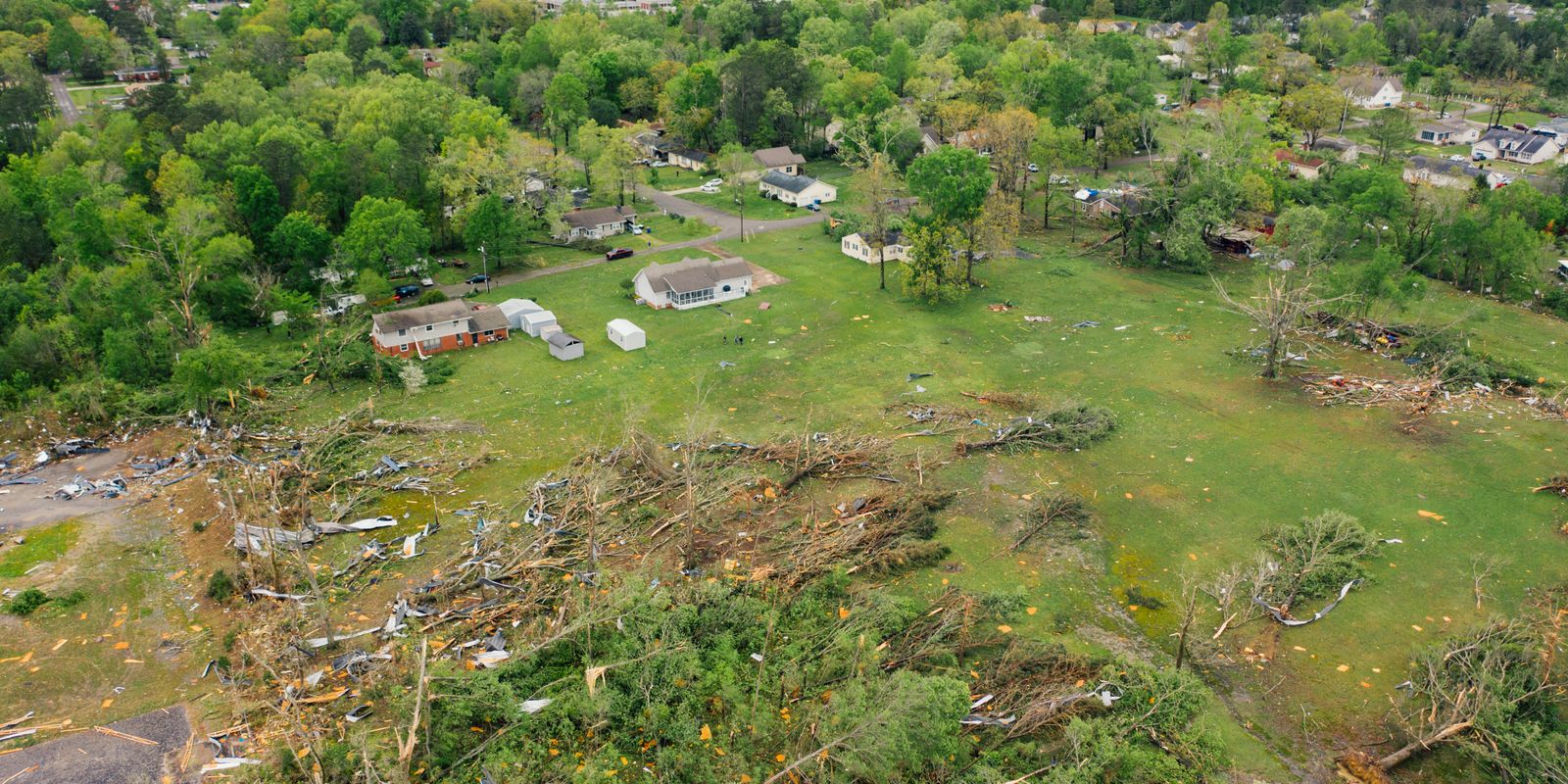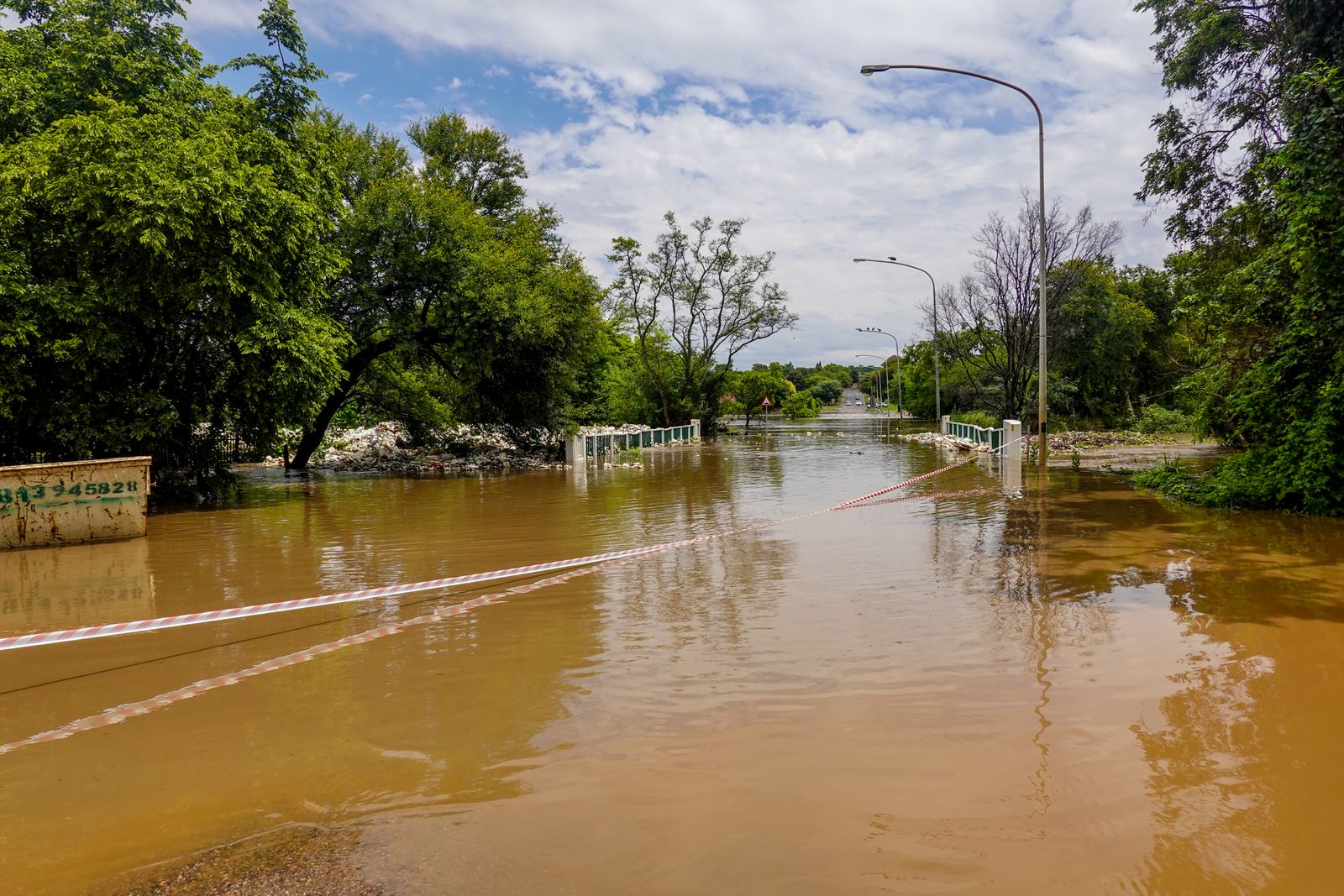
FEMA’s declaration records list 28 federal disaster declarations covering Hardin County, Tennessee between 1973 and February 2026. For Tishomingo County, Mississippi — the county on the other side of the state line, on the same stretch of the same river — the count is 19. Same weather systems, nine declarations apart.
That gap is worth knowing here because a fair number of families around Iuka own something on the Tennessee side. Pickwick Landing Dam sits in Hardin County. So do Counce and Savannah. A house in Tishomingo County and a lake place forty minutes up the road are two different insurance transactions in two different states, and the federal record says the two counties have not had the same fifty years.
What the data says
All of this comes from FEMA’s OpenFEMA Disaster Declarations Summaries, pulled by county and counted by unique declaration number rather than by row.
Hardin County, Tennessee: 28 declarations. Sixteen typed “Severe Storm,” four “Flood,” two “Tornado,” two “Winter Storm,” one “Severe Ice Storm,” one “Hurricane,” and two pandemic declarations that every county in the country received.
Tishomingo County, Mississippi: 19 declarations. Eight “Severe Storm,” four “Hurricane,” two “Winter Storm,” one “Snowstorm,” one “Severe Ice Storm,” one “Flood,” and the same two pandemic entries.
The largest single difference is flood — four on the Tennessee side, one here. The second largest is hurricane, and it runs the opposite direction.
The part that doesn’t support the easy story
Tishomingo County has four hurricane-remnant declarations. Hardin County has one. Whatever the Gulf sends this far inland, the Mississippi side of the line has caught more of it, not less. “Tennessee has more declarations, so Tennessee is riskier” is not what this data says, and we are not going to pretend it does.
The second caveat is about the data itself. “Severe Storm” is a coarse label, and 16 of Hardin’s 28 sit inside it. Read the declaration titles and tornadoes turn up again and again within those severe-storm entries — straight-line winds, tornadoes, and flooding, all in one line. So the standalone tornado count of two understates tornado involvement on both sides of the river. Quoting the two as though it were a tornado tally would be the wrong read.
Third, and this is the one people skip: a federal disaster declaration is a county-level administrative act. It marks an event large enough for a governor to request help and a president to grant it. It says nothing about whether one particular house on one particular ridge took water or lost shingles. Nobody’s individual risk is 28, or 19.
What actually changes at the state line
The insurance part has less to do with the count than with the fact that there is a line at all.
A dwelling in Tennessee is written on a Tennessee policy, filed with and regulated by Tennessee, at rates approved for Tennessee. The carrier that writes the Iuka house may not write in Hardin County at all, or may write there on different terms. Appetite is set state by state, and often county by county inside a state.
Flood is a separate purchase in both states. It always has been. It is not part of a homeowners form in Mississippi and it is not part of one in Tennessee, and given the four-to-one split above, that is a line worth knowing which side of you sit on.
Occupancy is the other piece. A lake place that sits empty five days a week is not, to most carriers, the same risk as a primary residence, and forms vary on how they handle seasonal or secondary dwellings more than people expect. Some do it by endorsement. Some write it as a separate product. The policy in the drawer is the only thing that says which.
Reading your own
Two properties in two states means two policies, and they were almost certainly not written by the same underwriter working from the same assumptions. A useful thing to do, and it costs nothing: set them side by side and compare what each one says about water, about wind, and about how long the place is allowed to sit unoccupied.
See our home insurance page, bring both by the Iuka office, or call or text 662-454-7831 and we’ll read the Tennessee one next to the Mississippi one.
This article is general information about how coverage typically works, not advice about your specific situation. Your policy is the contract, and it’s the only thing that says what you have. If you’d like someone to read it with you, that’s what we’re here for.