A homeowners policy is written for a household, and it says so in two separate places. The 2022 edition of the ISO Homeowners 3 form limits property used primarily for business to $3,000 while it sits at the residence and $1,500 while it’s away from it. Then, in a different section entirely, it excludes liability arising out of a business conducted from the residence. Those two lines are where most operations run out of road — and a lot of owners have never read either one.
The property side
Start with the numbers, because they’re concrete. A $4,000 computer used mainly for a graphic-design business gets treated as business property. Stolen out of the house, the form’s limit on that category is $3,000. Stolen out of the car on the way to a repair shop, it’s $1,500. Both figures are limits inside a policy, not deductibles and not premiums, and both are small next to what a working setup actually costs today.
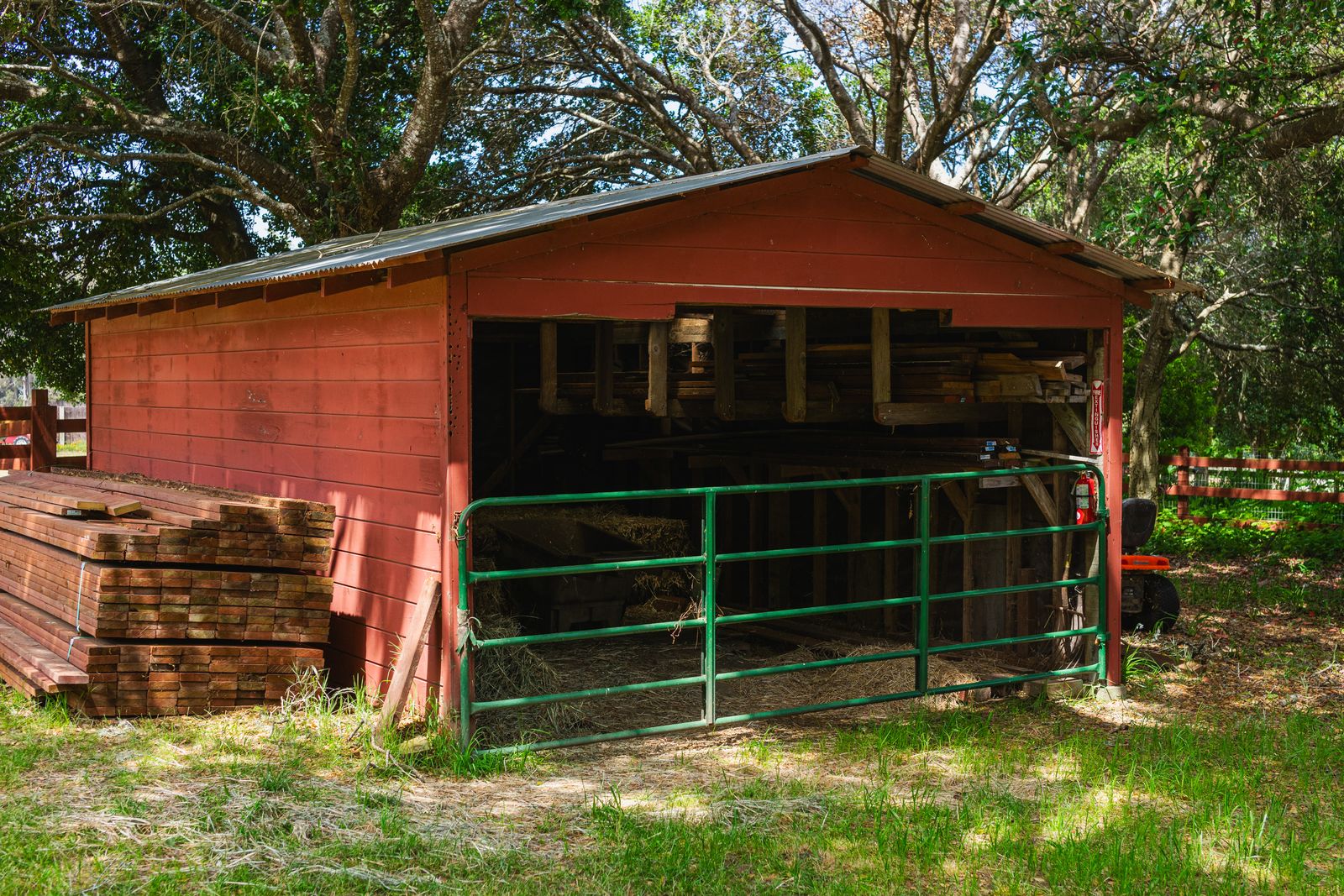
There’s a second property wrinkle in the other-structures coverage. The form generally excludes a detached structure from which a business is conducted. Storing business property in a backyard shed is a different matter and is typically fine — with an exception for liquid fuel, which reads oddly until you picture a shed holding gas cans for a rental operation.
The liability side, which is the bigger one
The property limits are annoying. The liability exclusion is the one that ends a case.
The ISO HO 3 excludes bodily injury and property damage arising out of or in connection with a business conducted from an insured location or engaged in by an insured — whether or not the insured owns or operates that business. There are narrow exceptions for renting the location out on an occasional basis, renting part of it as a residence, or using part of it as an office, studio, school, or private garage. There’s a second exception for an insured under 21 running a part-time self-employed operation with no employees.
Separately, the form excludes injury or damage arising out of the providing of, or failure to provide, professional services. Courts have generally read a professional service as one calling for specialized knowledge or mental rather than manual skill. An attorney or a bookkeeper working from home is looking at that paragraph, not the business paragraph.
What the form counts as a “business”
Broad. A trade, profession, or occupation, whether full-time, part-time, or occasional. It also picks up leasing mineral rights on the property and home-sharing host activity.
Then come the exceptions — and this is the part that doesn’t help our case at all, so it goes in bold type rather than a footnote. The form carves out any other activity for which an insured received $5,000 or less in total compensation over the twelve months before the policy period. Somebody who sold $1,300 worth of collectibles online last year, and who has been quietly worried about it since, is described by that exception. Volunteer work with no compensation beyond expenses is carved out too, as is occasional swap-based babysitting and day care for a relative.
A fair number of people reading this don’t have a problem. Saying so is more useful than pretending everybody does.
Where it gets real around here
The exposure that matters isn’t the eBay hobby. It’s the operation that grew: the contractor whose one-man crew became three, the person cutting hair in a converted room with clients walking up a driveway, the seller whose garage now holds inventory worth more than the truck. Nationally, an industry survey found 58 percent of home-based business owners carried no business insurance at all, and 40 percent of those said they didn’t think they needed any because they had a homeowners policy.
There are ways to fix it on the personal side — endorsements exist that raise the business property limit or add limited business liability — and there’s the commercial side, where a businessowners policy takes the whole thing. Which route fits depends on facts about the operation that nobody can guess from a website.
What to look for in your own
Three places. The definitions page, for how that policy words “business.” The Coverage C special limits, for the business property line. And the Section II exclusions, for the business and professional services paragraphs. Forms vary on all of it more than owners expect, and the one that governs is the one with your name on the declarations page.
If you’d like somebody to read those three sections with you, our business insurance page is a starting point, the Tupelo office is open, and you can call or text 662-454-7831.
This article is general information about how coverage typically works, not advice about your specific situation. Your policy is the contract, and it’s the only thing that says what you have. If you’d like someone to read it with you, that’s what we’re here for.