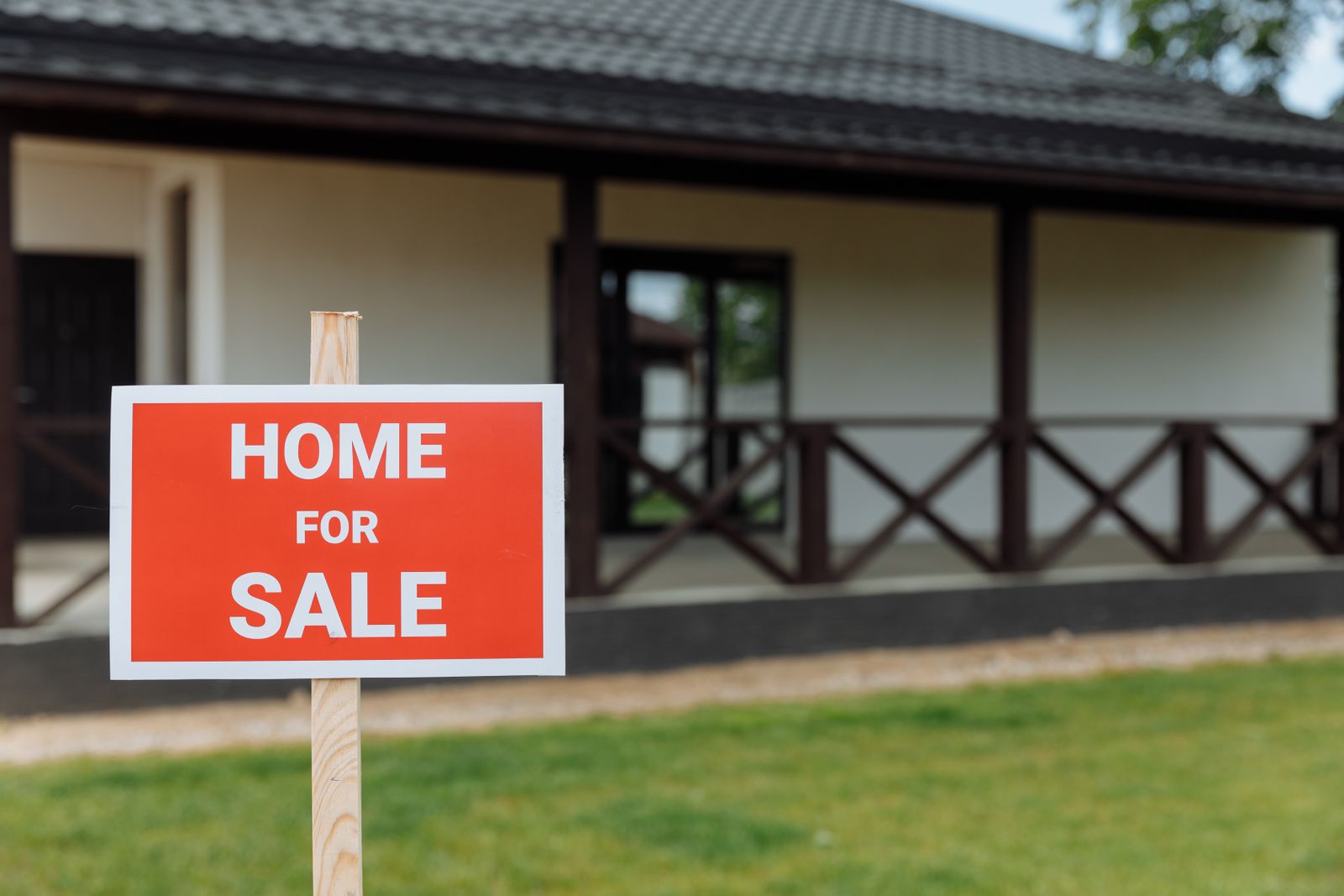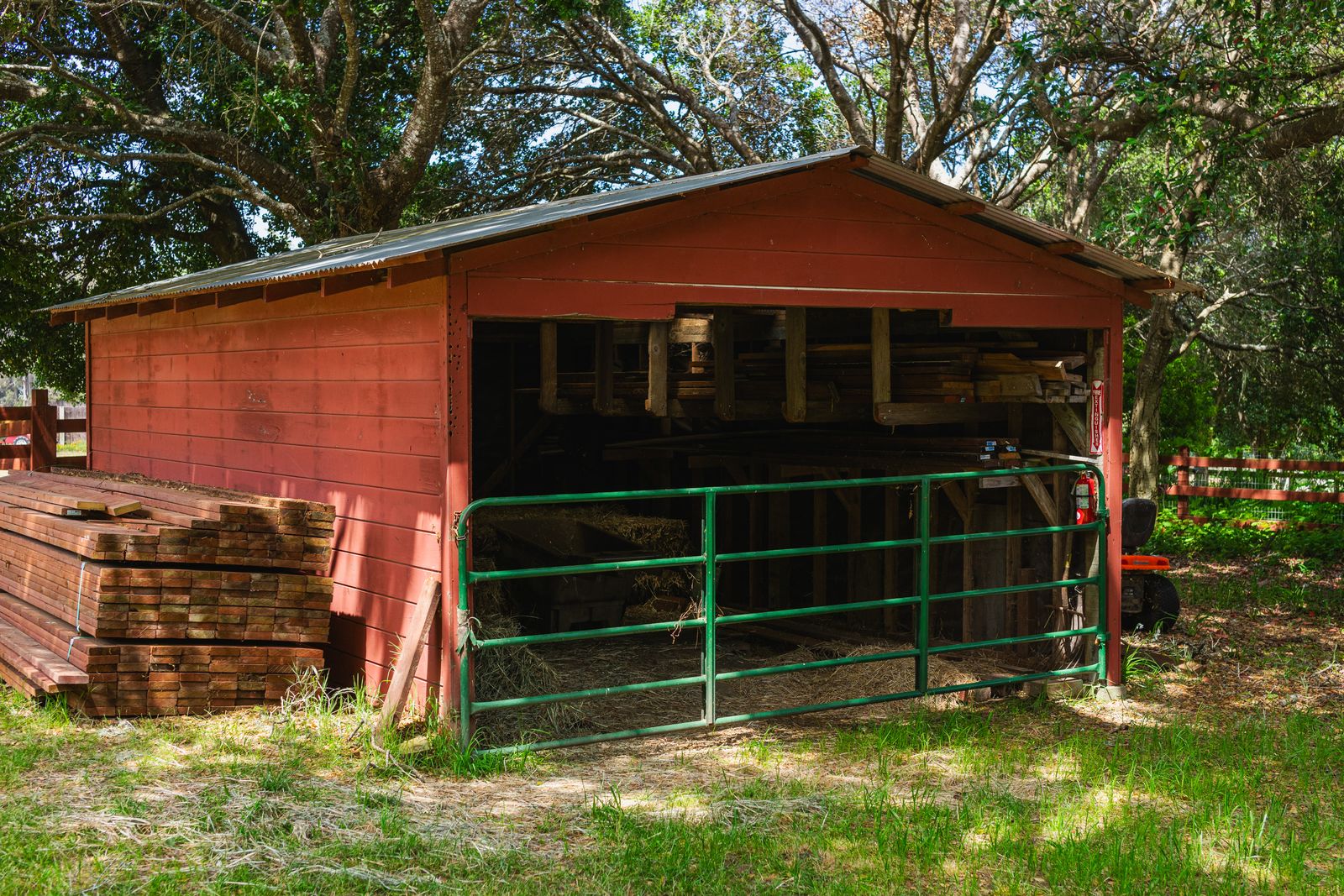
Drive any county road in Tishomingo or Itawamba County and count the buildings. Most places aren’t just a house — there’s a shop, a pole barn, a carport, sometimes all three. Around here the shop is often the building people would miss most.
Here’s the part that surprises people: a homeowners policy usually doesn’t treat those buildings the way it treats the house. They typically fall under a separate coverage — the industry calls it “other structures” coverage, and it comes with its own limit and its own rules.
How the other-structures limit usually works
Most homeowners policies set the other-structures limit as a percentage of the dwelling limit — ten percent is a common default. So a home insured for $200,000 might carry $20,000 for everything else standing on the property, combined.
For a yard-barn and a carport, that math often works fine. For a 30-by-40 metal shop with a concrete slab, wiring, insulation, and a lean-to — plus the well house and the old smokehouse — it can come up short in a hurry. Steel building prices and concrete work haven’t gotten cheaper, and the default percentage doesn’t know what’s in your yard. It’s just a formula.
The limit can usually be raised by endorsement, and it’s typically one of the less expensive changes on a policy. But it only happens if somebody looks at the number first.
The business-use wrinkle
This is the one that catches people in our part of the state. Many policies treat a detached structure differently the moment it’s used for business.
Around here that’s not a hypothetical. The shop where a welder takes side jobs. The building where somebody details cars on weekends. The barn that stores a lawn-care trailer and two commercial mowers. In many policies, structures used for business purposes are excluded from other-structures coverage entirely, or covered only in a limited way.
That doesn’t make the side work a problem — it makes it a conversation. Sometimes the answer is an endorsement. Sometimes it’s a small commercial policy that costs less than people expect. Either way, the worst version is finding out after the tree lands on the shop that the mower business inside it changed how the whole claim reads.
What “rebuilding” means for a shop
One more quiet difference: how the payout gets calculated. Policies vary on whether outbuildings are settled at replacement cost — what it takes to build it back — or actual cash value, which subtracts depreciation. A twenty-year-old pole barn settled at actual cash value can produce a check that doesn’t come close to putting a new one up. Neither approach is wrong; they’re just different contracts, and the declarations page says which one is yours.
Ten minutes with the declarations page
Mississippi is a duty-to-read state — the policy is the contract, and the insured is expected to have read it. For outbuildings, the reading is mercifully short. Three questions cover most of it:
- What’s the other-structures limit, and would it actually rebuild everything out there — shop, barn, well house, fence — combined?
- Does anything in any building earn money, even occasionally?
- Does the policy settle other structures at replacement cost or actual cash value?
If any answer produces a pause, that’s what the conversation is for.
Your policy is the only thing that says how your buildings are treated — bring it by the office in Iuka and we’ll read that section with you. Call or text 662-454-7831 and we’ll go through it in plain English.
This article is general information about how coverage typically works, not advice about your specific situation. Your policy is the contract, and it’s the only thing that says what you have.