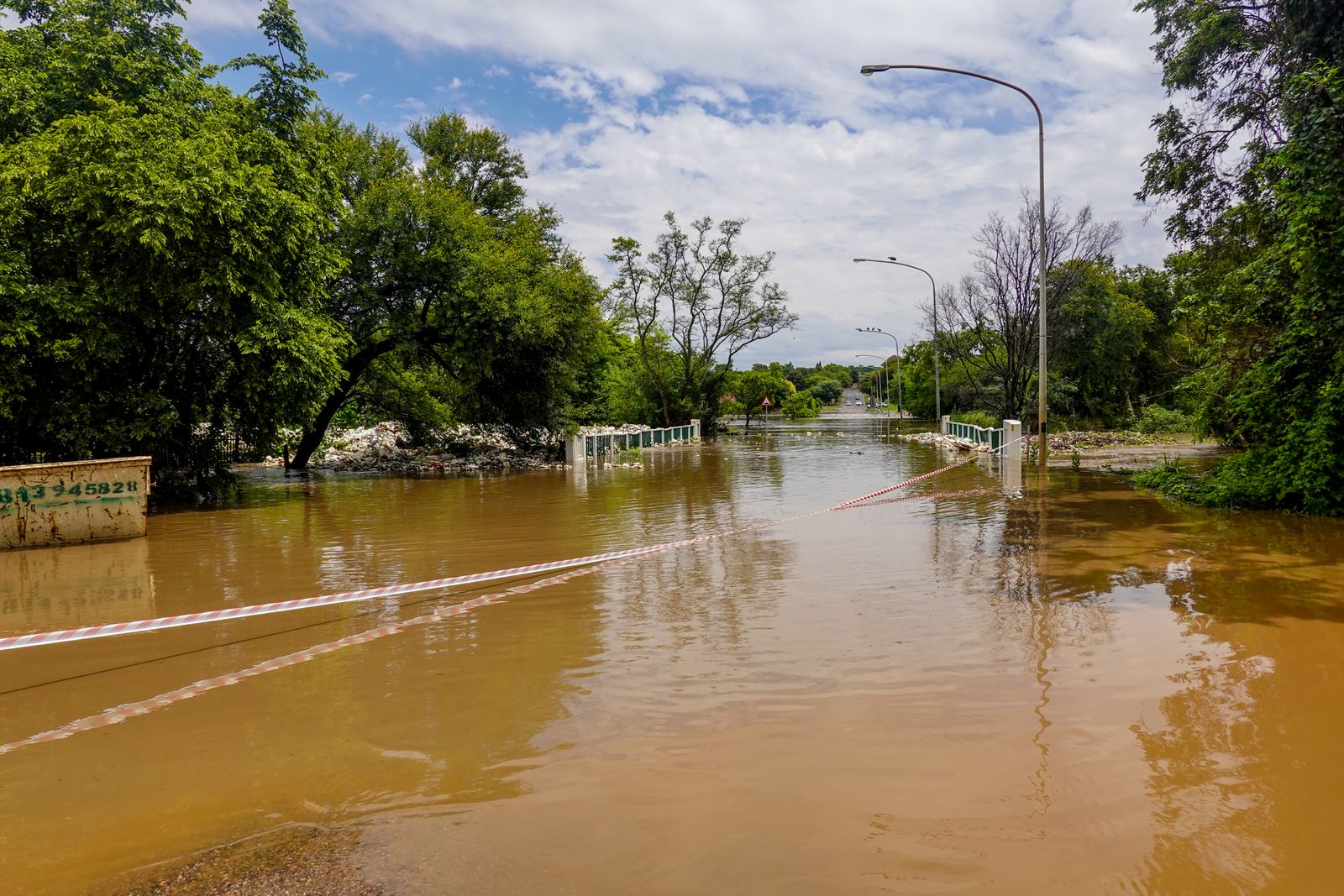
Tuscumbia is about 35 minutes east of Iuka on US-72, and plenty of the people we insure live, work, or own property across the line in Colbert County, Alabama. So we pulled Colbert out of FEMA’s NFIP Redacted Claims dataset, the public file of National Flood Insurance Program claims with personal details removed. As of FEMA’s September 8, 2026 refresh, it lists 144 flood claims in Colbert County, with loss dates from 1978 through 2026. Forty-eight of them, a full third, trace to just four loss dates. And 40 were on buildings rated outside the high-risk zones on the flood map.
That first number is smaller than most people would guess for a county with the Tennessee River running along its whole northern edge. The other two are why it still deserves a look.
Four days carry the record
Sort the claims by date of loss and the file stops looking like a steady drip. It looks like this:
- June 12, 1992: 16 claims
- February 19, 1991: 11 claims
- February 22–23, 2019: 12 claims
- April 5, 1983: 9 claims
The other 96 claims are spread across more than four decades, usually somewhere between zero and five in a given year. Since 2020, the file shows 16 claims in total.
Across the whole record, FEMA’s file shows roughly $1.94 million paid on building and contents combined, counted in the dollars of the year each claim was paid. Twenty-six of the 144 claims closed with nothing paid on either one. A claim on the list is a claim that was filed, not a check that was written.
The part that doesn’t flatter us
About three claims a year is a modest flood record for a river county. Most buildings in Colbert County will never file a flood claim, and the data says so plainly. Flood here is not a yearly event. It is a handful of bad days, years or decades apart, that land on a lot of houses at once.
The neighbors make the same point from a different angle. Lauderdale County, straight across the river around Florence, shows almost the same count at 141 claims. On our side of the state line, Tishomingo County shows 18. Franklin County, Alabama, just south of Colbert, shows four. Flood history in this corner of the map concentrates along the river corridor, and a lot of ground away from it has very little.
The 40 outside the high-risk zone
Each claim in the file carries the flood zone the building was rated in. FEMA’s flood zone definitions put Zones A and V inside the Special Flood Hazard Area, the area with a 1-percent annual chance of flooding. Zones B, C, and X sit outside it, as moderate or minimal hazard areas.
In Colbert County, 40 of the 144 claims, about 28 percent, were rated B, C, or X.
That matters because of who gets asked about flood in the first place. FEMA notes that homes and businesses in high-risk flood areas with mortgages from government-backed lenders are required to carry flood insurance. A house outside that area usually never hears the question from a lender at all. More than a quarter of this county’s flood claims came from exactly those houses.
How this is typically handled
Flood is a separate purchase. A standard homeowners policy is not a flood policy, and that has been true as long as the NFIP has existed. FEMA also notes that there is typically a 30-day waiting period before a new NFIP policy takes effect, with exceptions such as coverage required by a lender at closing.
A record built from four bad days is the kind where that waiting period gets people. Heavy-rain flooding rarely gives a month of notice.
What to look for
Two things. Whether a flood policy number appears anywhere in the file for the property, NFIP or private. And what flood zone the property sits in, which is on the flood map and, if there is a policy, on the declarations page. Neither one tells you how a particular claim would be handled. Your policy is the only thing that answers that.
If you own property on either side of the state line and want the flood question looked at with you, stop by the Iuka office, see our home insurance page, or call or text 662-454-7831.
This article is general information about how coverage typically works, not advice about your specific situation. Your policy is the contract, and it’s the only thing that says what you have. If you’d like someone to read it with you, that’s what we’re here for.