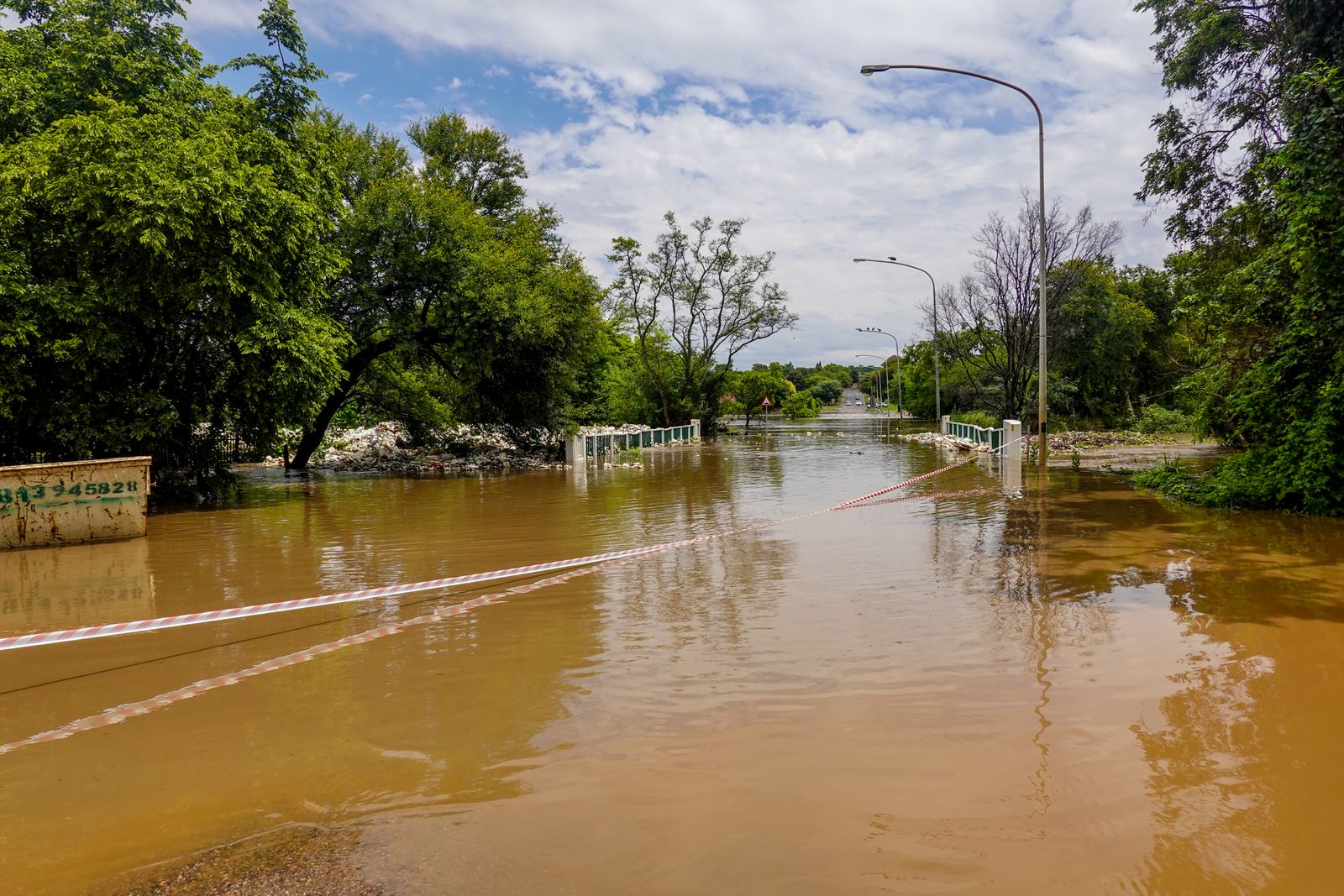
A hard overnight rain hits Belmont. The street drains run full. Sometime before daylight, water comes up through a floor drain in the utility room and soaks the carpet. The homeowner calls it a flood. The adjuster may call it a sewer or drain backup. Those two words are not synonyms on an insurance form, and treating them as the same thing is how a basement ends up with no policy that answers for it.
Two products, two definitions of water
Flood insurance sold through the National Flood Insurance Program is a separate purchase from homeowners. FEMA is plain about that. A standard homeowners policy is not a flood policy, and a federal flood declaration for the county does not drop flood coverage onto a house that never bought it. We have written before about the flood insurance gap in Mississippi and about NFIP exposure across our six home counties. That ground is settled.
Water backup — water that backs up through sewers or drains, or overflows from a sump pump — is a different loss. On most homeowners forms it is excluded from the base policy. Where it is available, it usually arrives as a water backup and sump overflow endorsement with its own sublimit, often much smaller than the dwelling limit. The endorsement is answering for a plumbing or municipal-system problem at or near the house, not for a river leaving its banks.
Where the NFIP draws the line
The National Flood Insurance Program’s own materials are careful here. FloodSmart’s program overview and the Standard Flood Insurance Policy commentary treat water that backs up through sewers or drains, or overflows a sump, as generally outside flood coverage unless there is a flood in the area and that flood is the proximate cause of the backup. A clogged lateral on a dry street, a failed sump during a localized downpour, or a city main drain that backs up without a general flood condition is usually not an NFIP claim.
Put differently: buying flood insurance does not automatically buy sewer-backup coverage, and buying a water-backup endorsement does not buy flood. They are two purchases aimed at two different ways water gets into a house.
Why fall rains make the distinction local
Northeast Mississippi’s fall secondary storm pattern is not hurricane season, but it does put multi-inch rains on already-wet ground, leaves in the gutters, and pressure on older municipal laterals in towns like Iuka and Booneville. The loss that shows up after those nights is often the utility-room drain, not a mapped floodplain. That is exactly the loss that falls between a homeowners form with no backup endorsement and an NFIP policy that never saw a general flood condition.
The Insurance Information Institute’s claims guidance after disasters is useful for the broader point: water losses get sorted by cause, and the cause decides which policy — if any — is even in the conversation. The III’s settling-claims overview is a reminder that documenting where the water came from matters as much as photographing the damage.
The unflattering part
A water-backup endorsement is frequently oversold as “flood coverage for the basement,” and it is not. The sublimits are often a few thousand dollars. Gradual seepage, long-term mold, and maintenance problems are usually still out. Plenty of houses around here will never see a floodplain claim and still have a real backup exposure — and plenty of others sit in a Special Flood Hazard Area and need the NFIP policy regardless of what the homeowners endorsement says. One product does not replace the other.
What to read on the declarations page
Two lines. First, whether a water backup or sump overflow endorsement appears at all, and what dollar sublimit sits next to it. Second, whether a flood policy number exists anywhere in the file — NFIP or private. If neither line is there, neither loss has a home on that policy.
Forms vary. The only document that answers for a specific house is the policy. If you want those two lines found with you, stop by the Iuka office, see our home insurance page, or call or text 662-454-7831.
This article is general information about how coverage typically works, not advice about your specific situation. Your policy is the contract, and it’s the only thing that says what you have. If you’d like someone to read it with you, that’s what we’re here for.