Red Bay sits less than ten miles from our Belmont office, across a state line that doesn’t mean much to the weather. So we pulled Franklin County, Alabama out of NOAA’s Storm Events Database the same way we’ve pulled Tishomingo, Monroe and Hardin. The record runs from 1950 through 2025 and lists 30 tornadoes touching the county. Sixteen of them are dated 2010 or later. The first sixty years of the file hold the other fourteen.
That is the headline, and it needs an asterisk right away. It’s below.
What the record actually says
Thirty tornado entries over 76 years, with begin points scattered across the county: Russellville, Vina, Belgreen, Pleasant Site, Hodges, Frankfort, Atwood. Vina, which is the part of Franklin County closest to Belmont and Red Bay, shows up twice, once in December 2016 and once in February 2025.
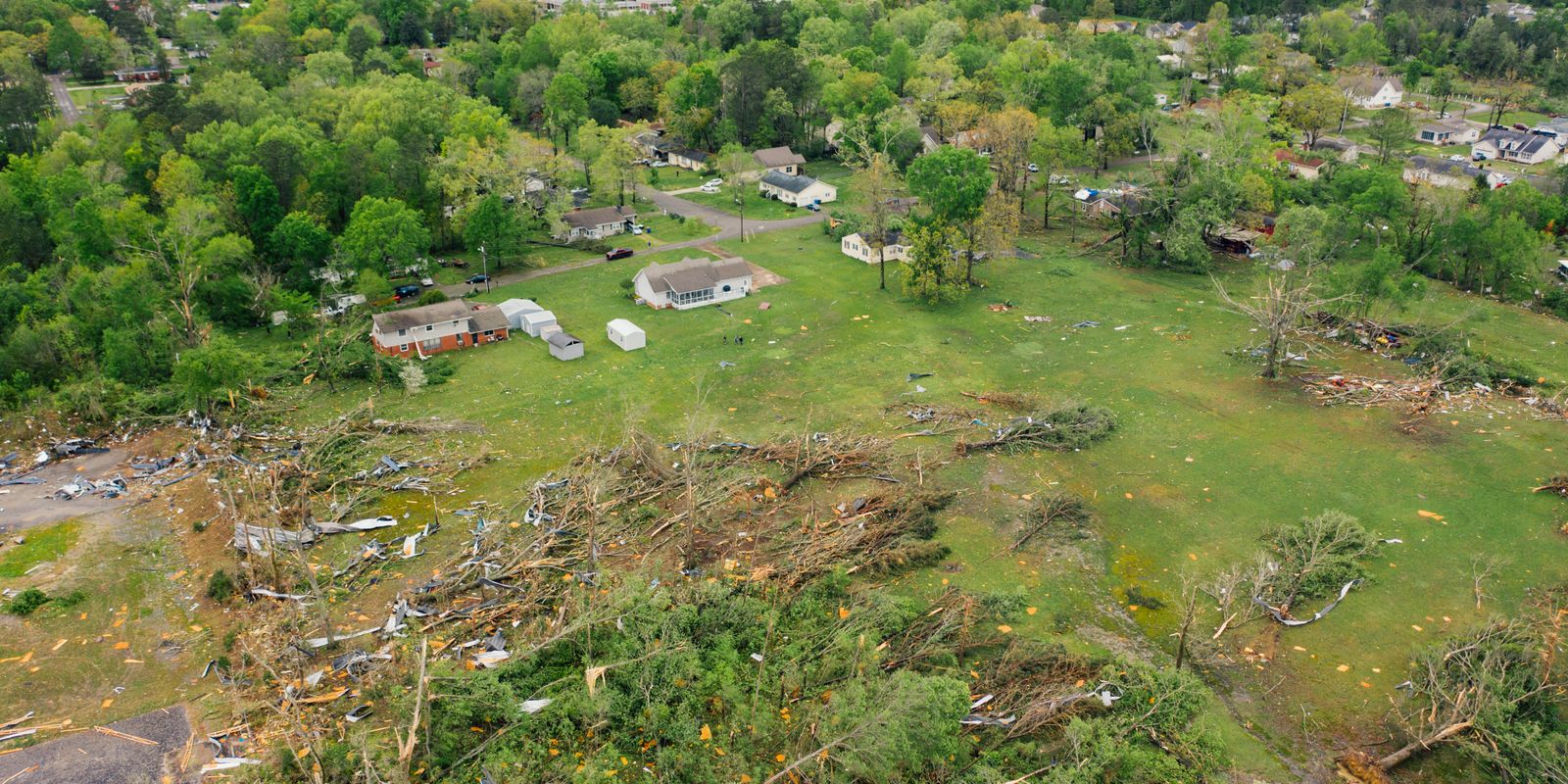
By strength, the county’s file is mostly weak tornadoes. Fifteen of the thirty carry the lowest two ratings, F0/F1 under the old Fujita scale or EF0/EF1 under the Enhanced Fujita scale that replaced it in 2007. Ten are rated F2 or EF2. Three are F3, and one 1967 entry carries no rating at all. One entry is an EF5, dated April 27, 2011, listed at 16.95 miles long and 1,760 yards wide inside the county. It is the only violent tornado in the file, and it’s the reason Franklin County’s name is on that day’s records at all.
By month, the calendar is less lopsided than people expect. Thirteen of the thirty fell in March, April or May, the classic spring season. But nine fell in November, December or January. April leads with eight, then February with five, and November, January and March tie at four apiece. We wrote earlier this month about the fall secondary season on the Mississippi side of the line. Franklin County’s file says the same thing in Alabama’s handwriting.
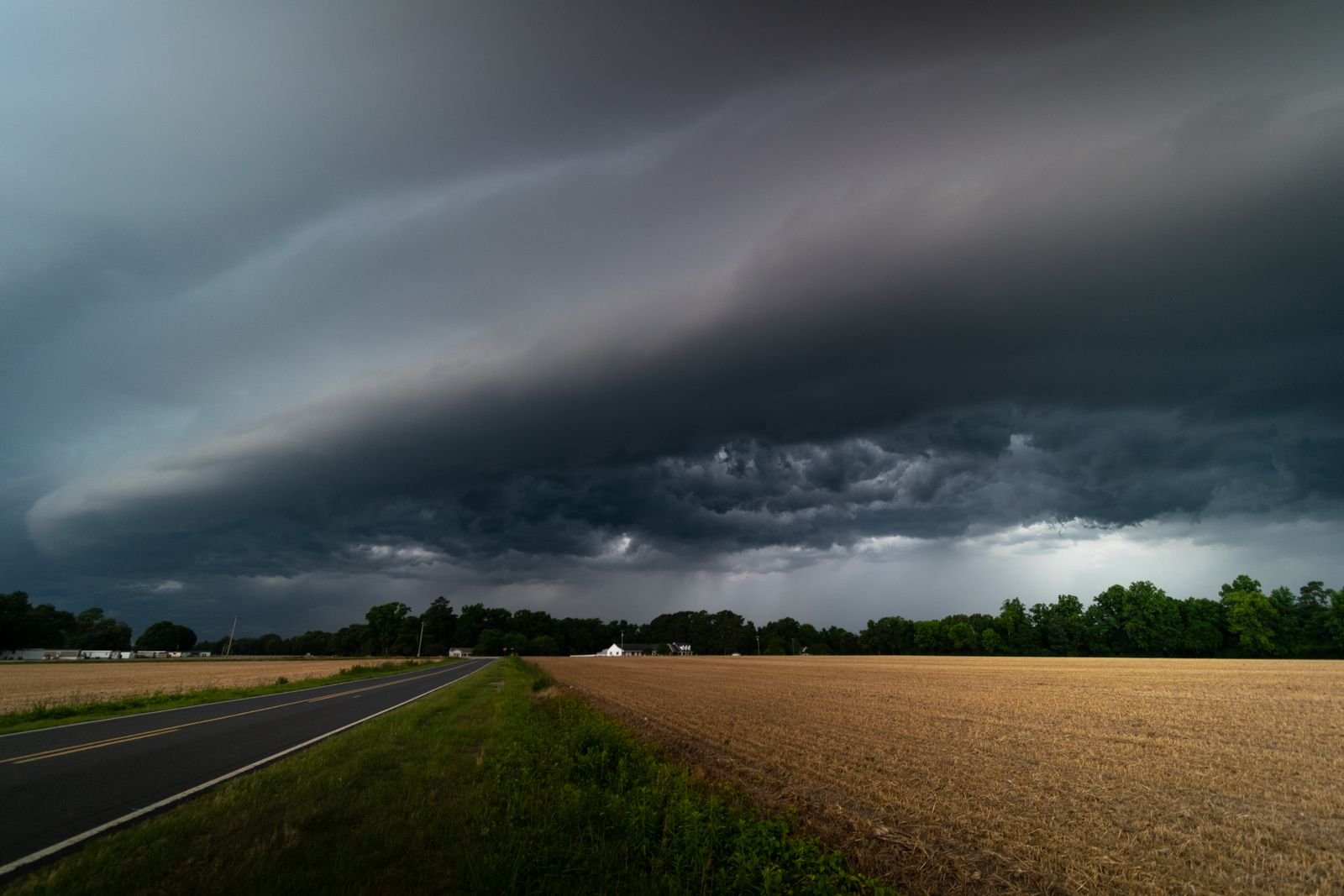
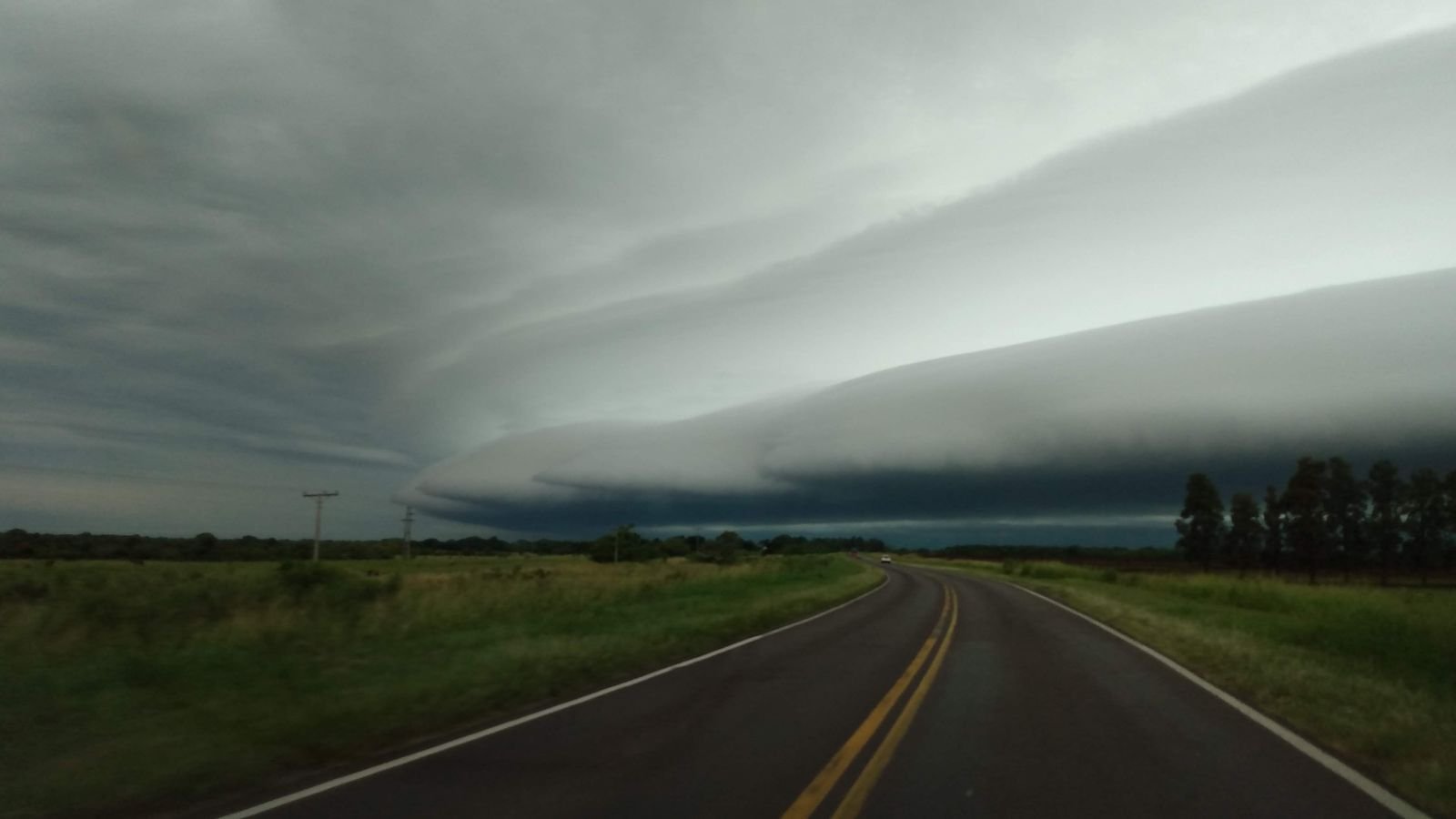
One more pattern worth noticing: the record is getting busier in clusters, not one at a time. Two tornadoes are logged on March 19, 2018. Three are logged on the evening of February 15, 2025, all inside about half an hour. That’s what a single squall line does to a county.
The part that doesn’t help the sales case
Here’s the asterisk. Sixteen tornadoes since 2010 against fourteen in the sixty years before does not mean Franklin County’s weather turned on a switch. Statewide, Alabama logged 150 tornadoes in the 1950s and 754 in the 2010s, according to the same NOAA bulk files. Doppler radar, storm surveys, cell phone video and a National Weather Service office that sends people out to walk damage paths all mean that a brief EF0 in a hayfield gets counted today when it would have gone unrecorded in 1962.
Look at the recent entries and that’s exactly what they are. Of the sixteen since 2010, twelve are EF0 or EF1. Several are under a mile long. The county isn’t necessarily getting more dangerous. We’re getting better at writing things down.
The honest reading, then: Franklin County’s record looks a lot like its neighbors’, its record includes one of the worst days in Alabama history, and the long-term count is a measure of detection as much as of weather.
What it means for a house in Red Bay or Russellville
None of this changes what a homeowners policy says. What it changes is which parts of the policy are worth reading before a February evening rather than after one.
Most homeowners forms written in this part of Alabama and Mississippi treat wind and hail as a covered peril, but a real share of them carry a separate wind and hail deductible, often written as a percentage of the dwelling limit rather than a flat dollar figure. On a house insured for $200,000, a 2 percent wind deductible is $4,000, and it applies whether the wind was an EF5 or a straight-line gust. We explained how those percentages work in an earlier post. Whether yours is 1 percent, 2 percent, a flat amount or the same as the rest of the policy is a question only the declarations page answers.
The other thing worth checking is the dwelling limit against what it would actually cost to rebuild today, since a limit set at purchase five years ago may not match current construction costs. That’s a conversation, not a lookup.
If the house is on the Alabama side, see our home insurance page, bring the policy by the Belmont office, or call or text 662-454-7831 and we’ll read the wind section with you before the next squall line comes up the Bear Creek valley.
This article is general information about how coverage typically works, not advice about your specific situation. Your policy is the contract, and it’s the only thing that says what you have. If you’d like someone to read it with you, that’s what we’re here for.