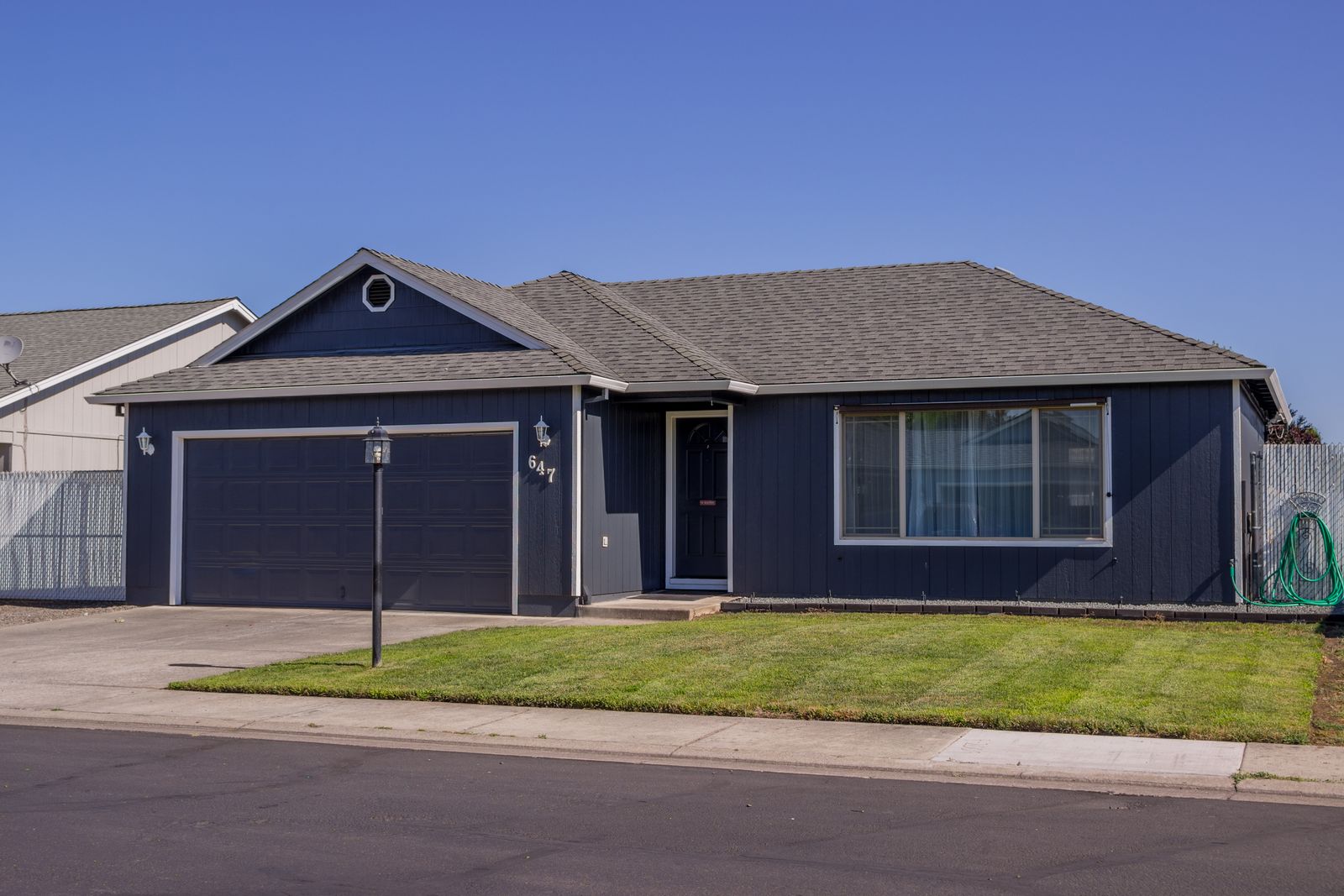
Two houses in eastern Tishomingo County can sit a few minutes apart on the same road, same age, same roof, same everything — and carry noticeably different home insurance rates. The usual reason isn’t anything about the houses. It’s a number most homeowners have never seen: the fire protection class, and specifically whether the house sits inside or outside five road miles of a fire station.
Who hands out the number
In Mississippi, fire protection grading isn’t done by the insurance companies. It’s done by the Mississippi State Rating Bureau, which surveys municipalities and legal fire districts and assigns each one a class from 10 down to 1. Ten is the highest rating category — effectively “unprotected” for rating purposes — and one is the best. Nobody in Mississippi holds a Class 1; the best classification achieved anywhere in the state is a Class 3. Around here, small towns commonly grade in the middle single digits, and rural volunteer districts often sit at 9 or 10.
The grade is built from an engineering survey of the fire department, the water supply, emergency communications, and related factors. To earn any class better than 10, a district has to clear real bars: a permanently organized department with a chief, at least four firefighters responding on the initial alarm to every reported structure fire, at least three hours of suppression training every three months, and a pumper meeting national apparatus standards, properly housed.
The five-mile rule
Here’s the line that matters most in a rural county: any property more than five road miles from a fire station is Class 10, full stop — even if it sits inside the boundaries of a graded district. Road miles, not straight-line miles, which in the hill country east of Iuka is a meaningful difference. The Bureau’s guidelines actually want response distances much shorter than that — generally no more than four road miles even for spread-out rural homes — but five is the cliff edge where a graded classification stops applying entirely.
Carriers price off this number because the physics are simple: how long a fire burns before water arrives is the biggest variable in what’s left afterward. A hydrant nearby helps too, which is one reason town addresses in Iuka or Belmont typically grade better than a place up a gravel road, however well-built the place is.
The honest part
This is one of the least satisfying conversations in our office, so we’ll have it in print: there is nothing an agent can do about your protection class. We can’t move the house, and we can’t move the station. When someone a long way out asks why the quote looks the way it does, distance to the station is often a bigger reason than anything on the application they filled out — and shopping carriers doesn’t change the road miles.
Two more honest notes. First, class improvements matter most at the bottom of the scale: a district clawing from 10 to 9, or 9 to 8, usually moves rates more than a town nudging from 6 to 5, and some carriers band several classes together so a one-step change may not move a particular rate at all. Second, when a local volunteer district does improve its grade — new tanker, more trained responders — that’s a community accomplishment that quietly pays every homeowner in the district. Fire department fundraisers are rate relief in a very real sense. We mean that.
What this looks like on your own policy
The protection class your home was rated with is in your carrier’s file, and how much it matters is baked into the rate rather than listed as a line item. What a homeowner can usefully check: which station actually protects the address, roughly how many road miles away it is, and whether the rating on file matches reality — districts do re-grade, and improvements don’t always catch up with a policy automatically. Policies and carriers vary on how they apply all of this, and the way yours handles it is a question your own policy and carrier answer.
If you’d like help figuring out what class your address carries and whether it’s current, come by the Iuka office, or call or text 662-454-7831. Our home insurance page covers the other levers that actually can move.
This article is general information about how coverage typically works, not advice about your specific situation. Your policy is the contract, and it’s the only thing that says what you have. If you’d like someone to read it with you, that’s what we’re here for.