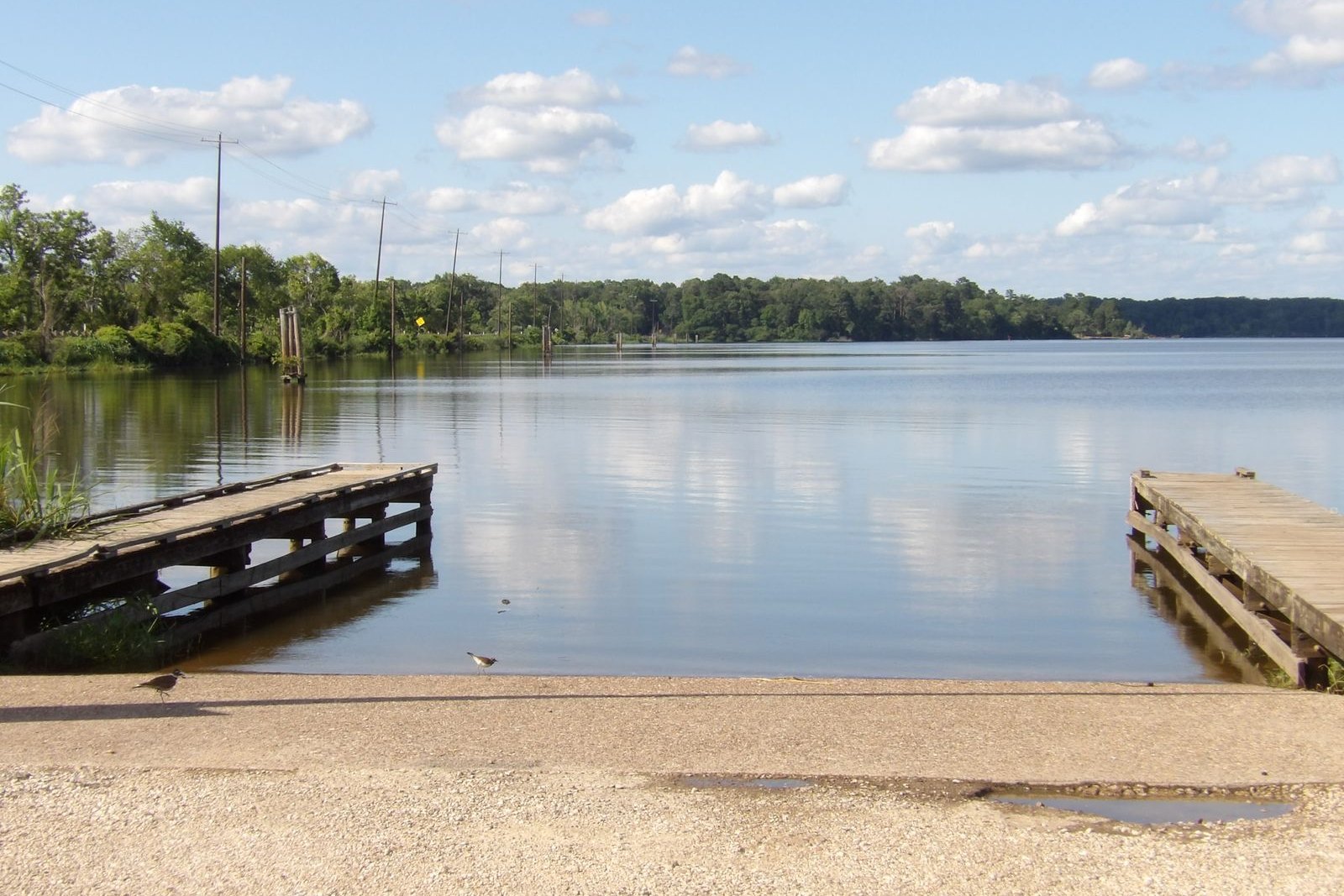
TVA says it plainly on its own water management page: during the summer, between June 1 and Labor Day, it works to fill the reservoirs for recreational use. Labor Day this year was September 7. That window closed last week, and over the next six weeks a lot of boats between Pickwick and Bay Springs will come out of the water and into a shed, a barn, a yard, or a rented storage row.
The policy on that boat almost certainly did not come out with it. Watercraft coverage is generally written for twelve months, not for the four or five months the thing is actually wet. What changes in the off season is not usually whether there’s a policy — it’s what the policy is being asked to do.
What actually happens to the risk
A boat in the water and a boat on a trailer behind a barn are exposed to different things.
On the water, the exposures people think about are collision, grounding, and liability — somebody else’s hull, somebody else’s dock, somebody in the water. On land in November, none of those are live. What is live: theft, fire, wind, hail, a tree, a collapsing shelter roof, and the trailer trip to get there and back. The storage months are not a period of no risk. They are a period of different risk, and it happens to be the risk that a policy’s physical damage section, rather than its liability section, tends to answer.
This is why “we’ll just drop it until spring” is a decision with two sides rather than an obvious saving. The months a boat sits unattended in a building nobody visits for weeks are not the months when nothing can happen to it.
Lay-up, in plain English
Lay-up is the marine term for the stretch when a vessel is out of service. In watercraft policies it shows up as a defined period — sometimes called a lay-up period, sometimes reduced-use or winter storage — during which navigation is not expected and the rate reflects that.
The important thing about a lay-up arrangement is what it is not. It is typically a provision inside a policy that continues, not a suspension of the policy. Physical damage coverage commonly remains in force through it, on the theory that the boat can still burn or be stolen sitting still.
Where policies vary, and they vary more than people expect: the dates of the period, whether the boat has to be ashore or can be in a slip, whether there is a named storage location, whether the trailer is scheduled separately, and what navigation during a declared lay-up period does to the arrangement. Some forms handle all of that in one endorsement. Some handle it in three places. Some do not use the concept at all and simply rate the whole year.
None of that can be answered from the outside. The policy is the only document that says which shape yours is.
The part that doesn’t help our side of it
Two honest things.
A lay-up or reduced-use credit is usually modest money. Anybody expecting the off season to cut a watercraft premium in half is going to be disappointed, and we would rather say that in September than in a phone call in October.
And for a real share of boats around here, the seasonal story simply does not apply. Pickwick does not freeze. Plenty of people fish it in January, and plenty of boats stay in a slip at Pickwick or Bay Springs the whole twelve months. If that is the boat in question, then nothing about Labor Day changed anything, and a lay-up conversation is beside the point. The reason to look at the policy is not the calendar. It’s that most people have never read the watercraft form at all, and the calendar is as good a prompt as any.
One thing worth doing on the way to the shed
While the boat is being pulled and cleaned anyway: photograph it. Hull, motor, serial numbers, trailer, electronics, the whole thing, with this month’s date on the files. Then write down where it is being stored.
That takes ten minutes and it is the single most useful thing anybody can have in hand if a loss does happen in the storage months — not because it changes what a policy says, but because proving what existed and what condition it was in is the part that goes badly when nobody did it.
See our boat insurance page, swing by the Iuka office with the policy, or call or text 662-454-7831 and we’ll read the lay-up and storage language with you before it goes in the barn.
This article is general information about how coverage typically works, not advice about your specific situation. Your policy is the contract, and it’s the only thing that says what you have. If you’d like someone to read it with you, that’s what we’re here for.