Mississippi’s average homeowners premium is $1,907 — seventh highest in the country, against a countrywide average of $1,569. People here notice that, and the question that follows is fair: what am I paying for?
Six things do most of the work. Only one of them is the number you’d get from a realtor.
Rebuild cost is not market value — this is the one everybody gets wrong
Your dwelling limit is an estimate of what it would cost to rebuild your house from the foundation up, at today’s labor and material prices, on the lot where it already sits. Your market value is what a buyer would pay for the house and the land together, in the neighborhood it happens to be in.
Those two numbers are unrelated, and in this part of the state they diverge sharply.
The median value of an owner-occupied home is $145,100 in Tishomingo County, $199,500 in Lee County, $142,400 in Itawamba County, and $142,100 in Alcorn County. Land is comparatively affordable here. Lumber, shingles, drywall, and the crew who install them are not — they cost roughly what they cost anywhere.
So a home that would sell for $145,100 can easily cost more than that to rebuild. That isn’t the carrier padding the number. It’s the reason the premium doesn’t track the tax assessment, and it’s the single most common source of “why is my insurance so high for a house worth this much?”
The failure mode runs the other direction too. Insure to market value and you can end up underinsured on the day it matters most.
This is also an owner’s market, which is part of why the question comes up so often. Tishomingo County is 79.5% owner-occupied and Itawamba County 79.0%, with Lee County at 70.8% and Alcorn County at 67.8%. Most of the people reading their own declarations page around here own the house outright or are working toward it — and they’re the ones who carry the rebuild gap personally.
Roof age
Roof age does two jobs at once.
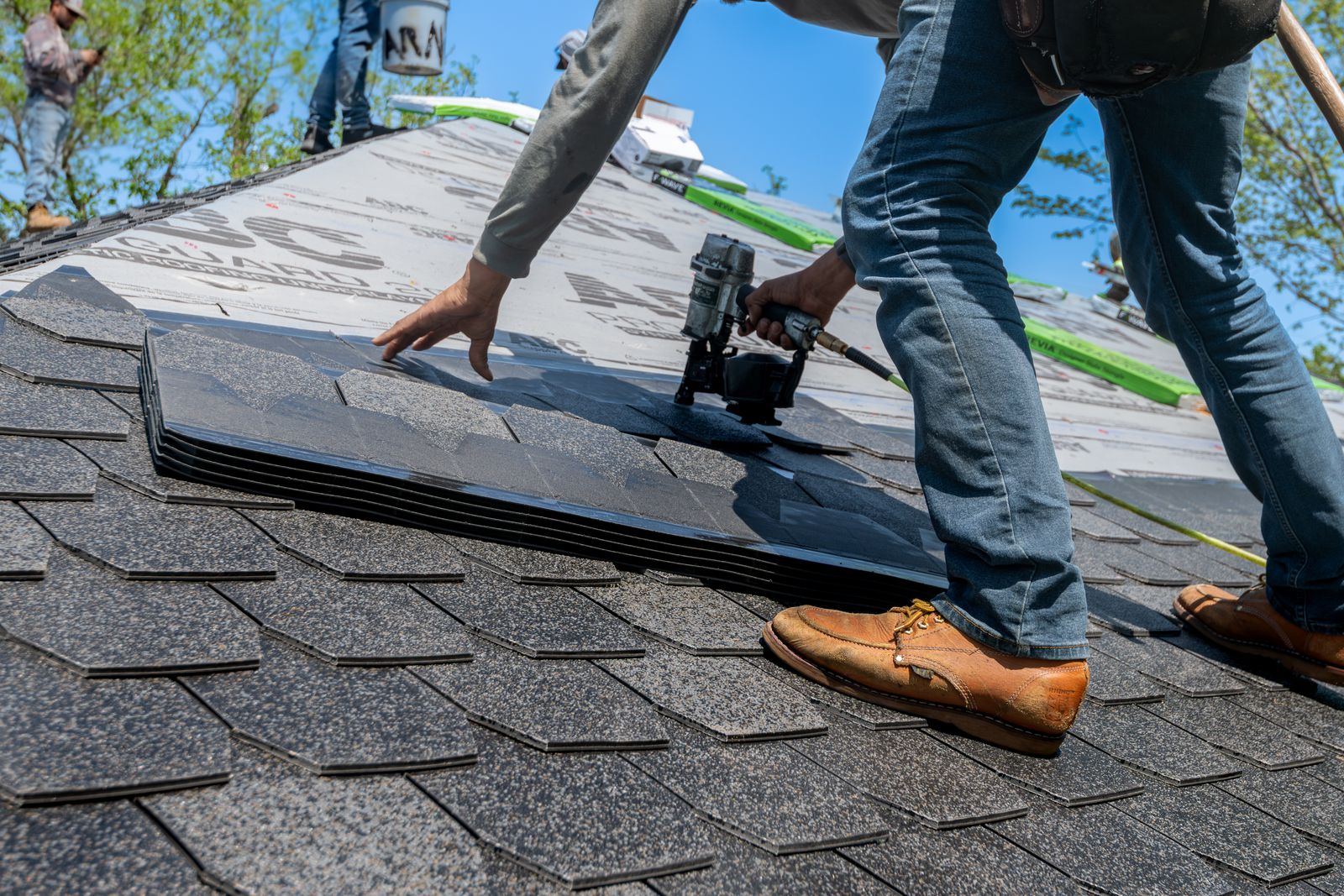
It affects eligibility — past a certain age, some carriers won’t offer a policy at all, or will only offer one with a roof settlement endorsement attached. And it affects settlement — how the policy pays when a storm takes shingles off.
It’s one of the first three questions on any home quote we write. If you’ve replaced your roof and never told anyone, you may be carrying terms you’ve already outgrown.
Protection class and distance to fire service
Protection class is a rating of the fire protection available at your address: which department responds, how far away it is, and whether there’s a reliable water supply — a hydrant, a tanker operation, a drafting source.
A house inside Tupelo city limits with a hydrant at the corner rates differently from a house fifteen minutes out a county road. Same construction, same square footage, different class.
This is the factor you can’t negotiate. It’s geography. What you can do is make sure the carrier has it right — protection classes get updated when a district is reorganized or a new station opens, and stale data on a policy is worth catching.
Claims history
Carriers look at the claim history on the property and on the household, usually over the last several years. Frequency matters more than most people expect — a pattern of small claims can affect a rate more than one large one.
Which is the practical argument for a deductible you can actually absorb. If your deductible is set low enough that every minor loss becomes a claim, the rate follows.
Deductible structure
Not one deductible. Often two.
Most policies here carry a flat all-other-perils deductible plus a separate wind and hail deductible, and the wind deductible is frequently expressed as a percentage of your dwelling limit rather than a flat dollar amount. Raise the dwelling limit, and the percentage deductible rises in dollars right along with it.
Choosing a deductible structure is a real lever on premium. It only works if you know what the numbers come out to.
The severe-storm loss environment
Every rate written in North Mississippi has storm exposure baked into it, and the loss data explains why. Wind and hail accounted for the largest share of homeowners claims in the country — 2.8 percent of insured homes had such a loss, with an average claim severity of $14,747.
Locally, the picture is honest rather than dramatic. FEMA’s National Risk Index rates Tishomingo County’s tornado risk Relatively Low, with Lee and Alcorn Counties Relatively Moderate. Across the state line in our Alabama service area, Lauderdale County’s tornado risk and Colbert County’s strong wind risk are both rated Relatively High. At the state level, Mississippi recorded 111 tornadoes in 2025 — fourth in the nation. And Tishomingo County has still absorbed 19 federal disaster declarations, 8 of them severe storms.
Read together, that says something specific: risk here is episodic, not constant. Long quiet stretches, then a bad week. That pattern is exactly what causes people to under-insure — and it’s why the deductible and roof terms you agreed to in a quiet year matter so much in a loud one.
Six things worth checking on your policy this year
- Compare your dwelling limit to a current rebuild estimate, not to your Zillow number or your tax assessment.
- Confirm the roof installation year on file matches reality.
- Verify your protection class and the responding department, especially if anything has changed in your district.
- Find both deductibles — all-other-perils and wind/hail — and multiply out the percentage one.
- Check which discounts are actually applied. Multi-policy, alarm, new roof, claims-free. They’re often available and not attached.
- Ask what a rate would look like elsewhere. Carrier appetite for a given roof age, home age, or protection class shifts constantly — the market that priced you three years ago isn’t the one you’re in now.
Related Coverage: Home Insurance
Here’s the part that’s hard to see from inside one company: the same house gets priced very differently depending on which carrier’s appetite it happens to fit. That’s the whole argument for an independent agent.
We shop 20+ carriers across Mississippi, Alabama, and Tennessee. We’re not trying to be the fastest quote in your inbox — we want to be the one that’s actually right, which means getting your rebuild cost, roof age, and protection class correct before anyone prices anything.
Call or text 662-454-7831 with your declarations page handy. A real person picks up, and no runaround.