The Four Main Coverage Areas
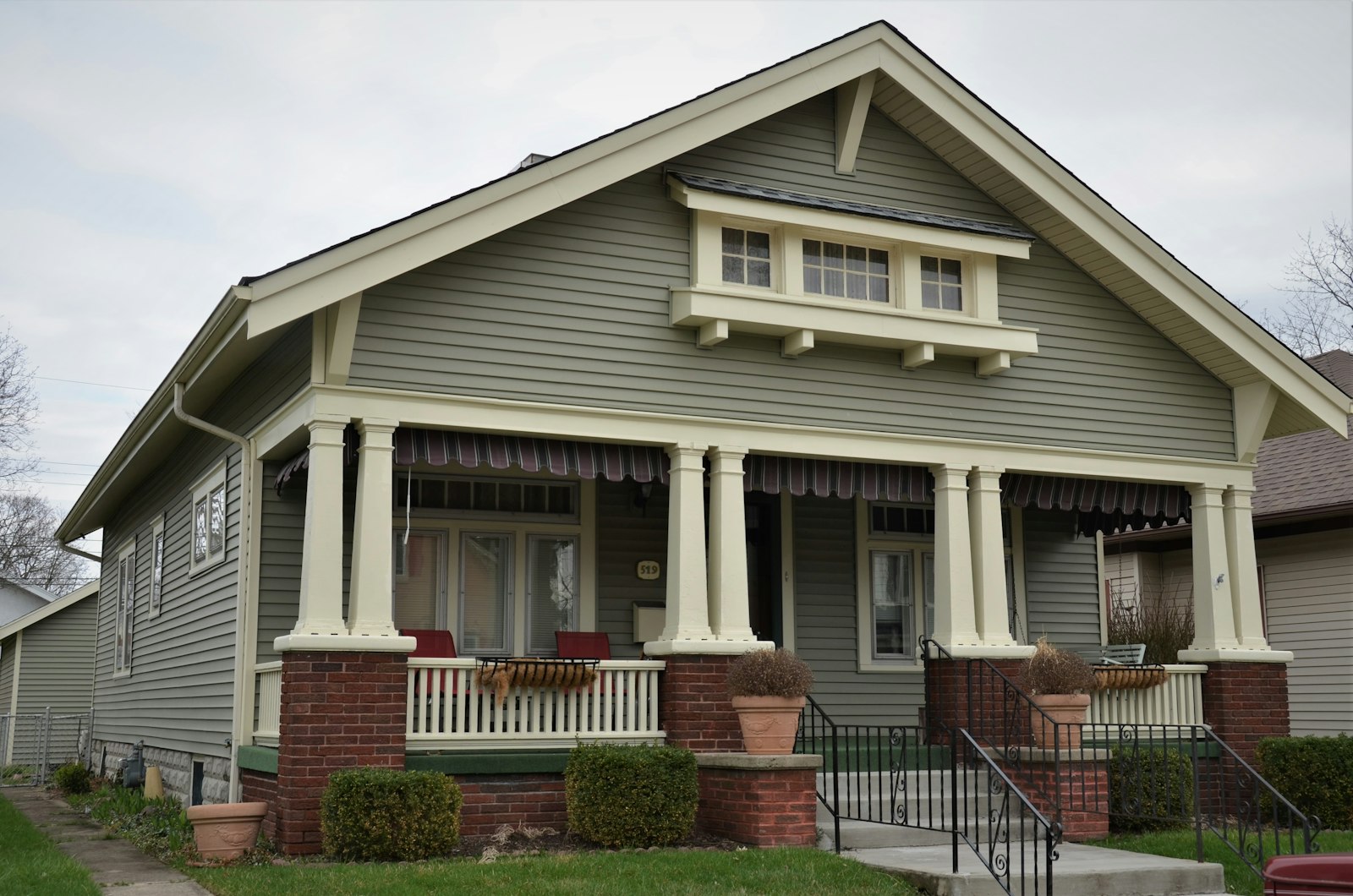
A standard homeowners insurance policy (often called an HO-3) generally covers four things. Dwelling coverage pays to repair or rebuild your home’s structure if it’s damaged by a covered event like fire, wind, or hail. Personal property coverage replaces your belongings — furniture, electronics, clothing — if they’re damaged or stolen. Liability coverage protects you if someone gets hurt on your property or if you accidentally damage someone else’s property. And additional living expenses (ALE) covers the cost of living somewhere else temporarily if your home is uninhabitable after a covered loss.
What’s NOT Covered (This Is Where It Gets Important)
Here’s the part that surprises most people: flood damage is not covered by a standard homeowners policy. Period. If water comes in from outside your home — rising water from a storm, overflowing creek, heavy rain runoff — that’s flood damage, and you need a separate flood insurance policy to be covered. You can get flood insurance through the National Flood Insurance Program (NFIP) or through a private carrier. We help clients figure out which option makes more sense. Other common exclusions: earthquake and earth movement, sewer and drain backup (unless you add an endorsement), mold (unless caused by a covered event), gradual wear and tear, and pest or termite damage.
Replacement Cost vs. Actual Cash Value
This one matters more than most people realize. Replacement cost means the insurance company pays what it actually costs to replace your damaged property with something equivalent today. Actual cash value means they take depreciation into account — so if your 10-year-old roof gets destroyed, they might only pay what a 10-year-old roof is “worth,” not what it costs to put on a new one. We almost always recommend replacement cost coverage. The premium difference is usually small, and the payout difference when you have a claim can be huge.
Endorsements That Fill the Gaps
An endorsement (sometimes called a rider) is an add-on that expands your coverage beyond the standard policy. Some of the most common and most useful endorsements include water backup/sewer coverage, which covers damage from backed-up drains or sump pump failures. Scheduled personal property coverage protects high-value items like jewelry, firearms, or art that exceed your policy’s standard limits. Extended replacement cost gives you an extra buffer (usually 25–50%) above your dwelling coverage limit in case rebuilding costs more than expected. And identity theft coverage helps with expenses related to identity fraud. Not every endorsement is necessary for every person. But knowing what’s available — and what you’re exposed to without it — is the whole point of working with an agent who actually reviews your policy instead of just printing it.
Why This Matters in Our Neck of the Woods
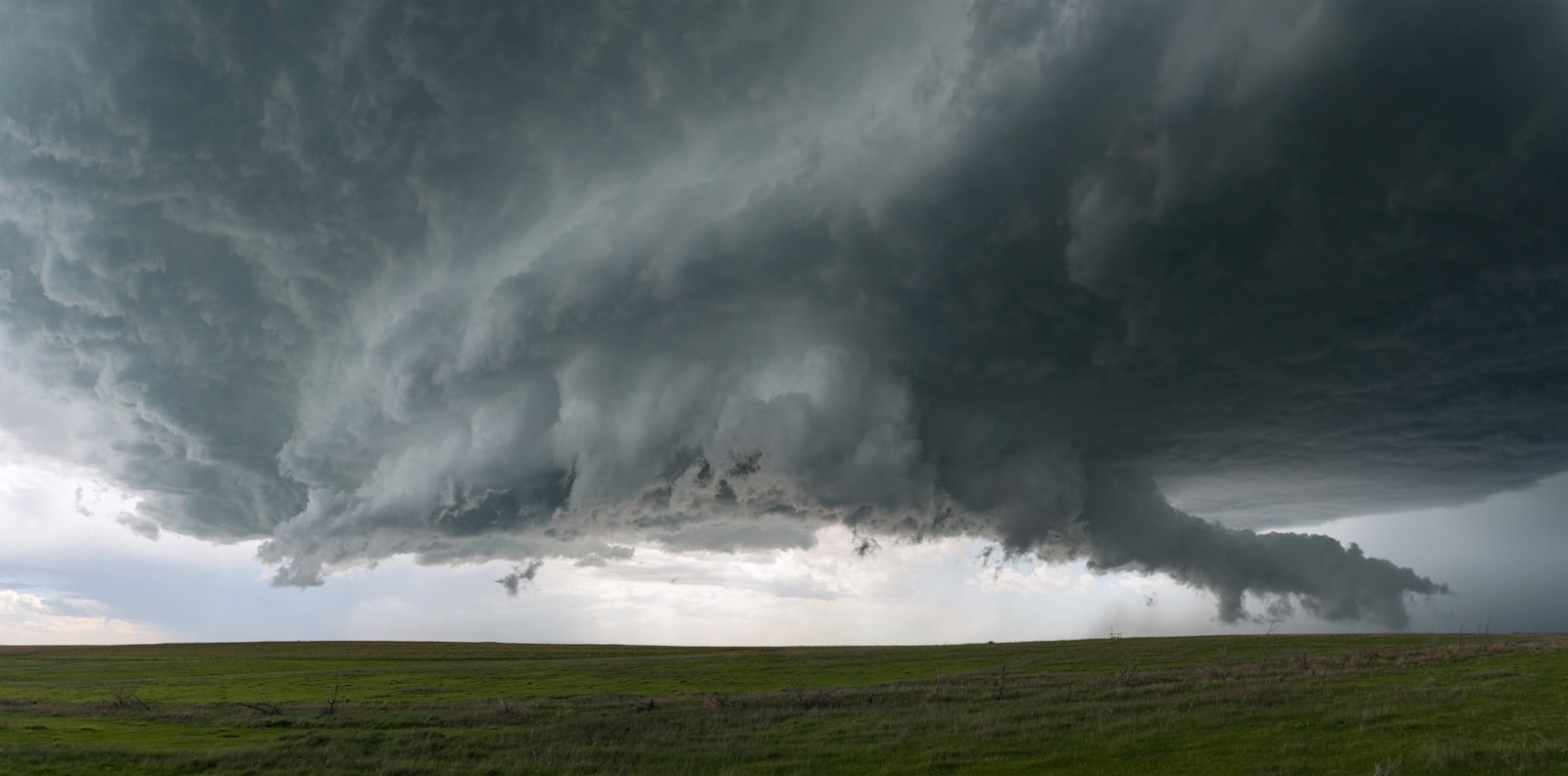
In Mississippi, Alabama, and Tennessee, we deal with wind, hail, tornadoes, flooding, and the occasional ice storm. That combination means the gaps in a standard homeowners policy are especially dangerous here. If you’re in a flood zone (or even near one), you need flood coverage. If you have an older roof, you need to understand how your wind/hail deductible works. And if your home’s replacement cost has gone up with construction prices — it has — your dwelling limit probably needs to be updated. These are exactly the kinds of things we check during a policy review. If you haven’t had someone look at your coverage recently, it’s worth a conversation.