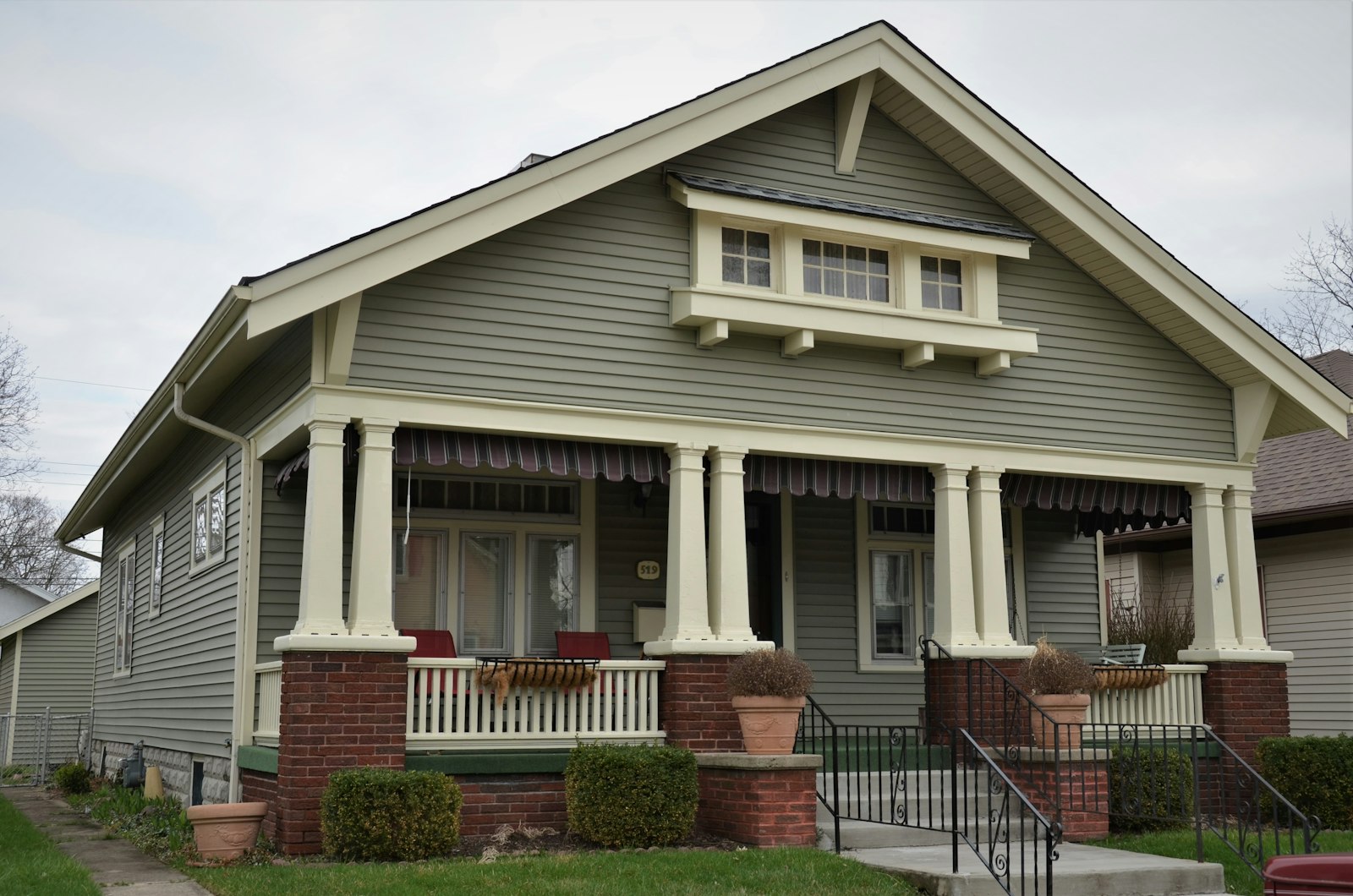
Moving from a house into a condo — or own a condo and never really dug into the policy? The two are insured differently, and mixing them up leaves real gaps. A homeowners policy and a condo policy protect different things, because you own different things.
Here’s where the line falls.
The Standard Homeowners Policy (HO-3)
Most single-family homeowners carry what’s known as an HO-3. It covers the entire structure — foundation to roof — plus your personal belongings and your liability if someone’s injured on your property. You own the whole building, so the policy has to account for all of it, from the framing down to the paint.
That full-structure responsibility is also why homeowners coverage costs what it does here: Mississippi’s average HO-3 premium is $1,907 — seventh-highest in the country.
The Condo Policy (HO-6)
Condo owners carry an HO-6 instead, and it works differently — because condo ownership works differently. You own your unit. The condo association, through its own master policy, generally covers the shared structure, the exterior, and the common areas.
Your HO-6 exists to fill in what the master policy doesn’t: the interior of your unit, your belongings, and your personal responsibility as a unit owner.
What the Master Policy Typically Covers
Master policies vary by association, but they generally handle the building’s structure, roof, exterior walls, and shared spaces — hallways, parking, the pool if there is one.
The wrinkle is how much of the interior they reach. Some master policies are written on a “bare walls” basis — structural shell only, nothing inside your unit. Others cover more, including original fixtures. That single distinction decides exactly where your HO-6 has to pick up, which is why you can’t buy the right condo policy without knowing which kind of master policy sits above it.
What’s on You as the Unit Owner
Generally, your HO-6 needs to handle four things:
- Interior finishes. Depending on the master policy, that can mean flooring, cabinets, countertops, and any upgrades you’ve made inside the unit.
- Personal property. Furniture, electronics, clothing — the association’s policy covers none of it.
- Liability. Someone injured inside your unit looks to your policy, same as they would at a house.
- Loss assessment. The easy one to overlook. If the association takes a loss bigger than its master policy — or gets held liable for something — the cost can be divided among unit owners. Loss assessment coverage on your HO-6 is what keeps that surprise bill from landing on you directly.
Don’t Forget the Master Policy’s Deductible
One more place condo owners get surprised: the master policy has its own deductible, and it can be substantial. When the building takes a loss, some associations pass their deductible — or each unit’s share of it — down to the owners. Depending on how your HO-6 is written, loss assessment coverage or your dwelling coverage may respond to that bill, or may not.
It’s exactly the kind of detail nobody reads until the special assessment letter arrives. Read it before.
Why You Should Read Both Policies Together
Condo coverage only works when two documents meet in the middle: the association’s master policy and your HO-6. If you’ve never actually seen the master policy’s coverage summary, request it from your association. It’s the only way to know whether your policy starts where theirs stops — or whether there’s a gap between them with your name on it.
We do this with clients regularly, and it’s not just on paper — we sit down with both documents and map where one ends and the other begins.
Related Coverage: Home Insurance
Whether it’s a house in Belmont or a condo near Pickwick, the coverage question is the same: what exactly are you responsible for, and does the policy match it? Our home insurance page covers how we approach it, with 20+ carriers to shop.
Buying a condo, or want a second look at the HO-6 you already have? Call or text 662-454-7831. A real person picks up — bring the master policy and we’ll take the time to read it with you.