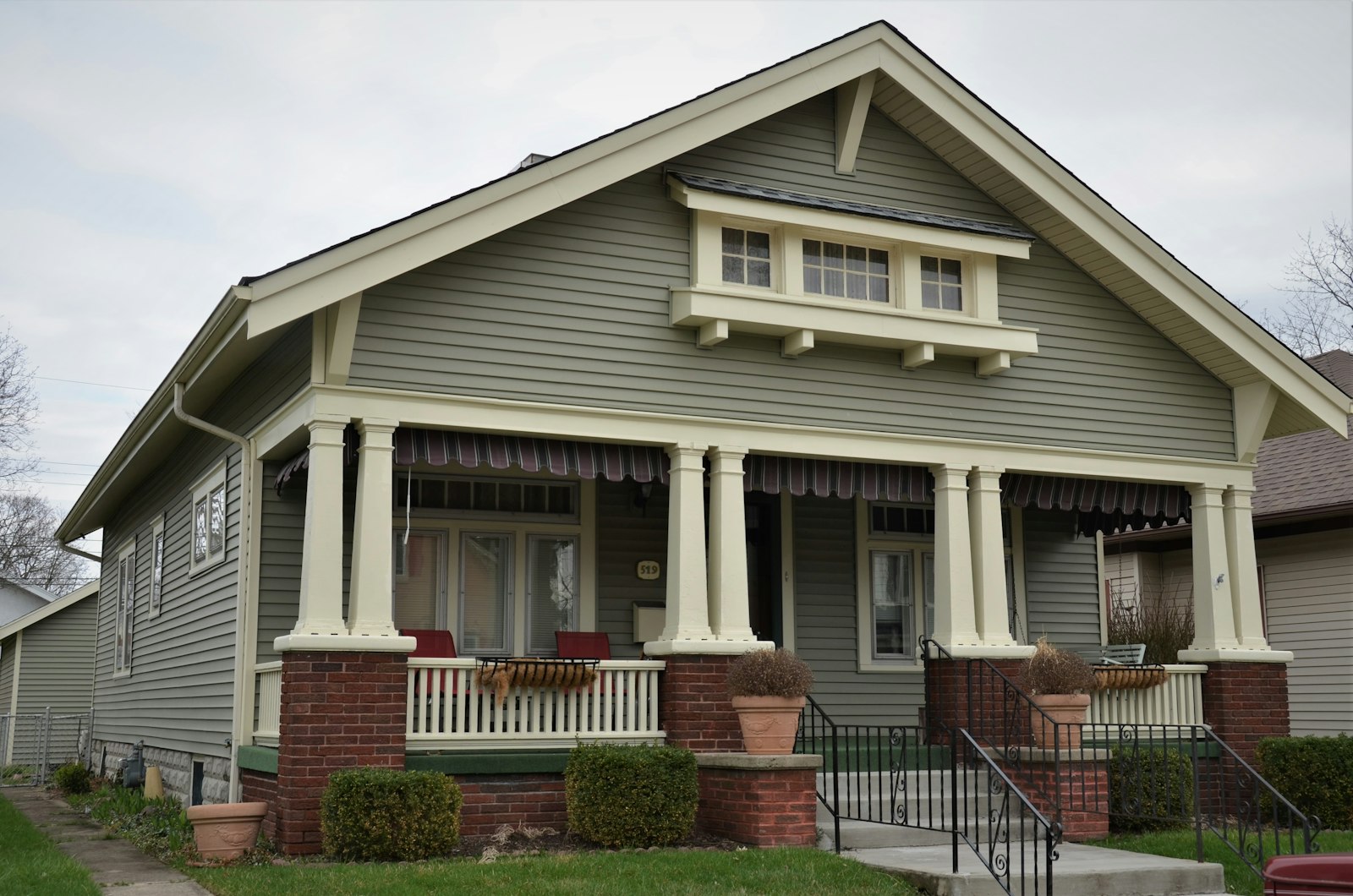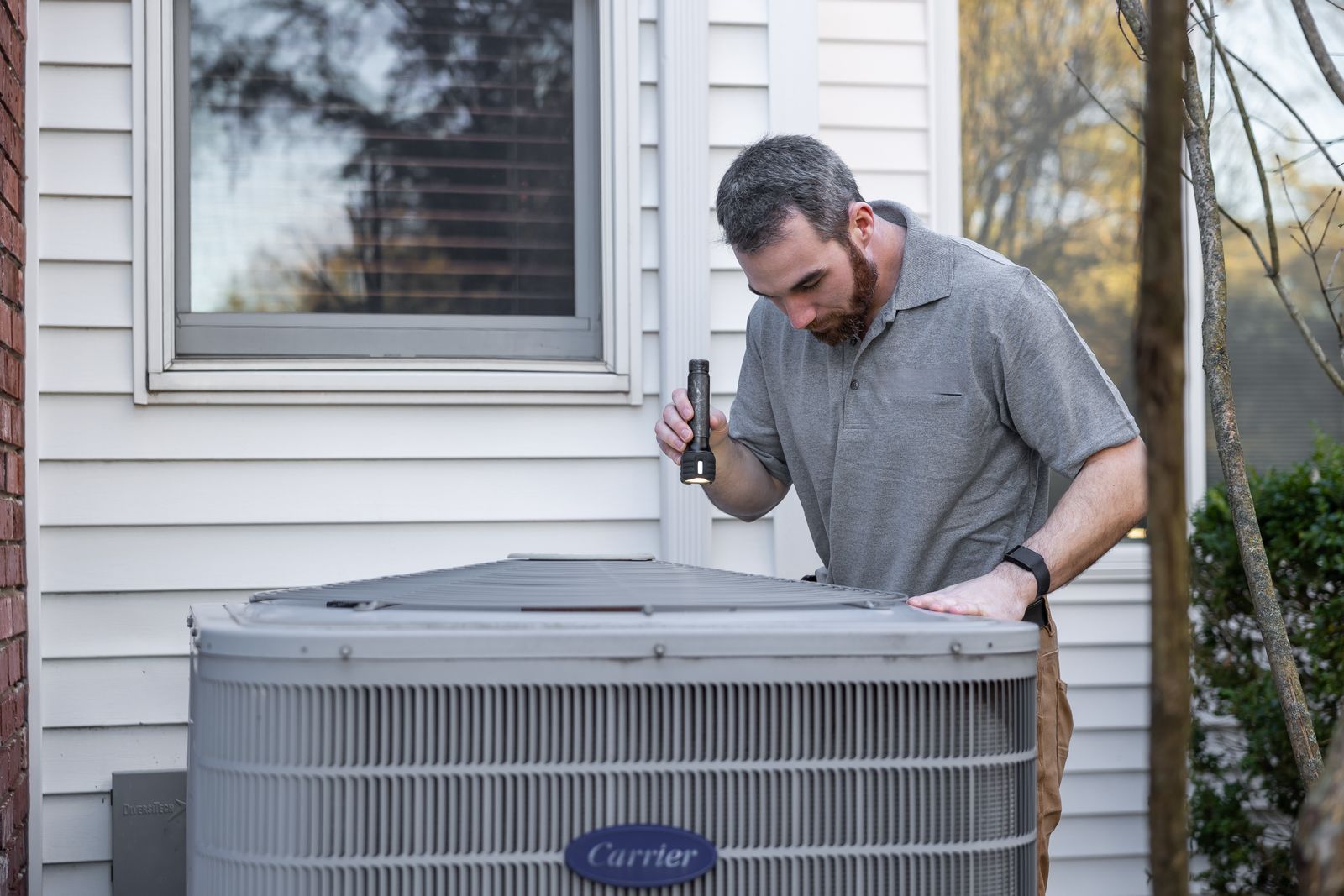
There’s a particular phone call we get every July: the air conditioner quit, it’s 96 degrees with Mississippi humidity on top, and the homeowner wants to know if insurance covers the compressor. The assumption is reasonable — “my insurance covers my house” ought to mean the systems inside it too.
It usually doesn’t. Here’s why, and what actually fills that gap.
What homeowners insurance is actually built for
A standard homeowners policy covers sudden, accidental damage from external events — fire, wind, hail, certain kinds of water damage. That’s the job it was designed for, and around here it earns its keep doing exactly that.
What it generally is not built to cover is mechanical failure: the HVAC system, water heater, or major built-in appliances simply wearing out or breaking down on their own. When a compressor dies of age or a water heater’s internals give up, the policy treats it as a maintenance issue, not a covered loss — even though the repair bill can sting just as hard as storm damage.
That distinction catches a lot of homeowners off guard, usually at the worst possible time of year to be without air conditioning.
What mechanical breakdown coverage adds
Mechanical breakdown coverage — sometimes offered as an endorsement to your homeowners policy, sometimes as a separate home systems protection product — is built to fill that specific gap. It typically helps cover the cost to repair or replace major home systems and built-in appliances when they fail mechanically or electrically, rather than from an external event like a storm.
In a climate where the AC runs hard from May through September, the HVAC system is usually the piece doing the heaviest lifting — and the one whose failure this coverage most often addresses. Water heaters, well pumps, and built-in appliances tend to round out the list, though what’s included varies by policy.
This is not a home warranty
The two sound similar. They aren’t the same thing.
A home warranty is a separate annual contract you buy from a warranty company — a broad list of covered systems and appliances, a flat annual fee, service call fees on top, and the warranty company’s contractors doing the work.
Mechanical breakdown coverage added to your insurance works like insurance: coverage limits and a deductible built into your policy, functioning alongside the rest of your homeowners coverage.
Neither is automatically better. But you should know which one you’re buying, and what each actually promises — not just on paper, but when the compressor’s already dead.
Who should consider it
This isn’t for everyone, and we won’t pretend otherwise.
It makes the most sense if you own an older home with original HVAC equipment or an aging water heater — the odds of mechanical failure climb with age, and around here those systems work hard for a long season. It also suits homeowners who’d rather move that risk onto a policy than keep a rainy-day fund earmarked for a surprise system failure. And if you’ve already eaten one unexpected repair bill, you know exactly why the coverage exists.
On the other hand — newer home, systems still under manufacturer warranty, comfortable covering a repair out of pocket? You might reasonably decide the added premium isn’t worth it right now. That’s a fine answer too.
How to decide
Skip the guesswork and look at your actual numbers:
- Check the age of your HVAC system and water heater. Past ten years, failure odds start mattering.
- Check whether anything is still under manufacturer warranty. No point paying to cover what’s already covered.
- Ask what the coverage limits and deductible would be on your specific policy.
- Compare the added premium against a realistic replacement bill for your oldest system.
- Decide who you want holding that risk — your policy, or your savings account.
Related Coverage: Home Insurance
Mechanical breakdown coverage rides alongside your homeowners policy — and it’s worth reviewing both at the same time.
We take the time to walk through your options across 20+ carriers and tell you in plain English whether this one’s worth it for your house. Call or text 662-454-7831 — preferably before the compressor gives out in July.