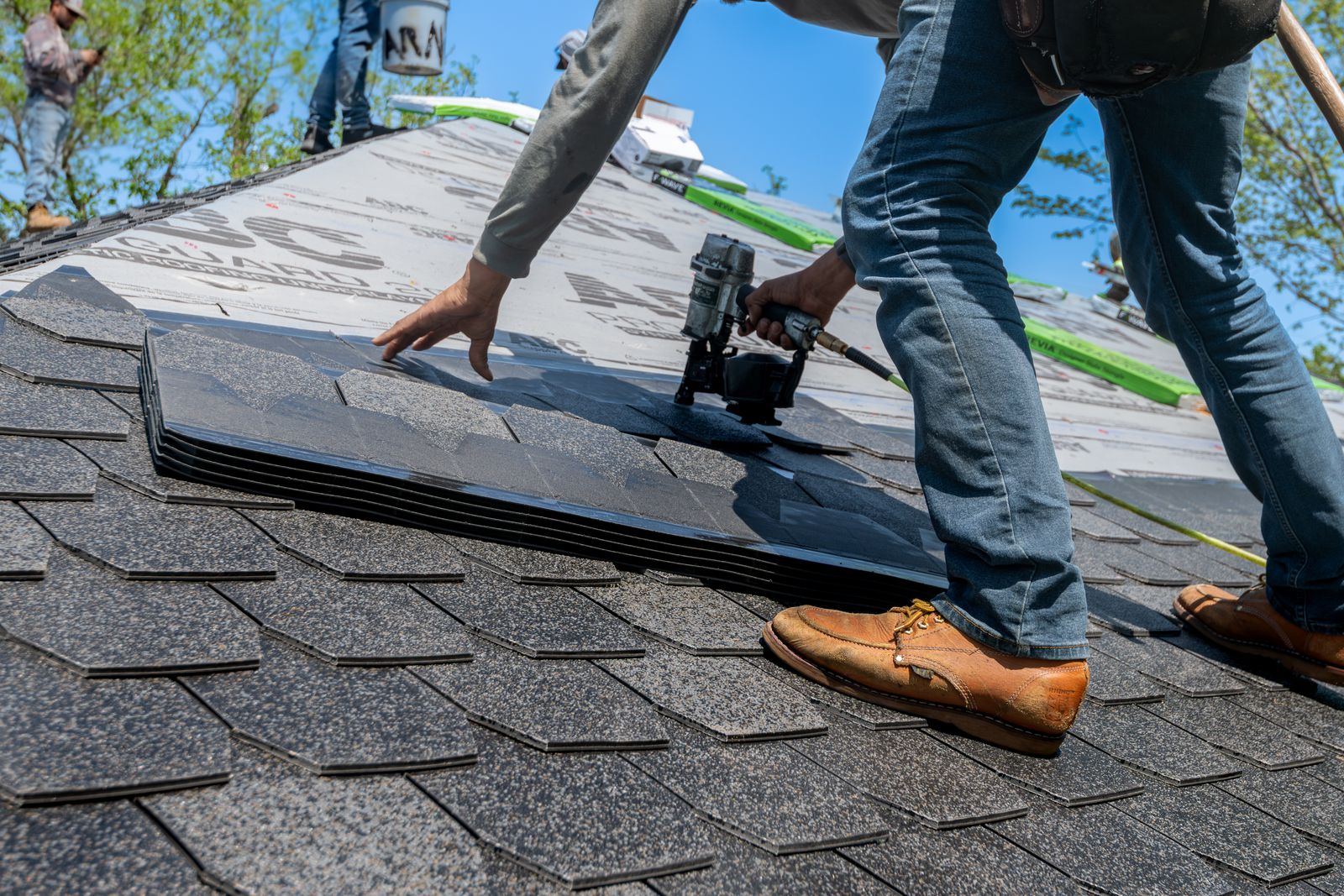
Most claims that stall around here don’t stall over whether something is covered. They stall over how much. The estimate says four squares of shingles and part of the decking; the roofer says the whole slope. Most property policies contain a clause written for exactly that standoff, and hardly anybody knows it’s in there. It’s called appraisal, and it lives in the conditions section.
The short version: either side may demand it in writing. Each names a competent, independent appraiser — typical language gives 20 days. The two appraisers pick an umpire; if they can’t agree inside 15 days, either party can ask a judge where the loss happened to appoint one. The appraisers each state an amount, differences go to the umpire, and a decision agreed to by any two of the three sets the amount of loss. That result binds both sides.
What appraisal is not
It is not arbitration, and the difference is the whole point. Arbitration puts every contested issue in front of a decision-maker. Appraisal decides one thing: the amount of loss. Causation, coverage, and liability are outside it, at least traditionally — courts in various states have pushed on that boundary in recent years, with mixed results.
So if a carrier has denied a claim outright, appraisal is generally the wrong tool. That’s a coverage argument, not a number argument, and the clause is usually treated as waived when the claim has been flatly denied. Appraisal is for the case where both sides agree something is owed and disagree about the size of it.
It’s also informal. There’s no courtroom, and it’s frequently done without attorneys — two people with clipboards and an umpire if they need one.
The part that doesn’t flatter the process
Three honest caveats, because this gets written up online as a homeowner’s secret weapon and it isn’t one.
It costs money. Under typical language, each party pays its own appraiser and the umpire and other expenses get split down the middle. On a $3,000 disagreement, appraisal can easily cost more than the gap. It earns its keep on large losses and roof-scope fights, not on small ones.
It cuts both ways. The clause was historically inserted for the insurer’s benefit, and the insurer can demand it too. The award binds the policyholder just as firmly. Somebody who invokes it expecting a floor may find they got a ceiling.
The details are state law, and this isn’t a legal column. Courts have held that a demand made after an unreasonable delay can be waived, and they’ve disqualified appraisers for bias where the relationship with the appointing party was too cozy. Those rulings vary considerably from state to state, and how a Mississippi court would come out on any particular set of facts is a question for a Mississippi lawyer, not for us and not for a website.
The other lane
Appraisal isn’t the only avenue when a claim goes sideways. The Mississippi Insurance Department runs a Consumer Services Division that takes complaints against companies and against agents, assigns them to a specialist, and works them. That’s (800) 562-2957, or consumer@mid.ms.gov, and the forms are on the department’s site. We’ll say plainly that this includes complaints about agencies like ours. It’s a public office and it exists for exactly this.
Where this shows up in these counties
Hail and wind, mostly. The NOAA record for Itawamba County shows how routine hail is here, and hail claims are where scope disagreements live: how many squares, whether a slope gets replaced or repaired, what the matching looks like when the shingle line has been discontinued. Those are amount-of-loss questions almost by definition, which is why the appraisal clause tends to surface after a spring or fall storm rather than after a kitchen fire.
Reading your own
Section I Conditions, the paragraph headed “Appraisal.” It’s short — usually one paragraph — and it will spell out the deadlines, who picks the umpire, and how the cost divides. The numbers in this article are the ones that typically appear, but forms vary, and the deadlines in yours are the only ones that will matter if it ever comes to that.
If you’d like somebody to find that paragraph with you before you need it, our home insurance page has the rest of the coverage picture, the Belmont office is open, and you can call or text 662-454-7831.
This article is general information about how coverage typically works, not advice about your specific situation. Your policy is the contract, and it’s the only thing that says what you have. If you’d like someone to read it with you, that’s what we’re here for.