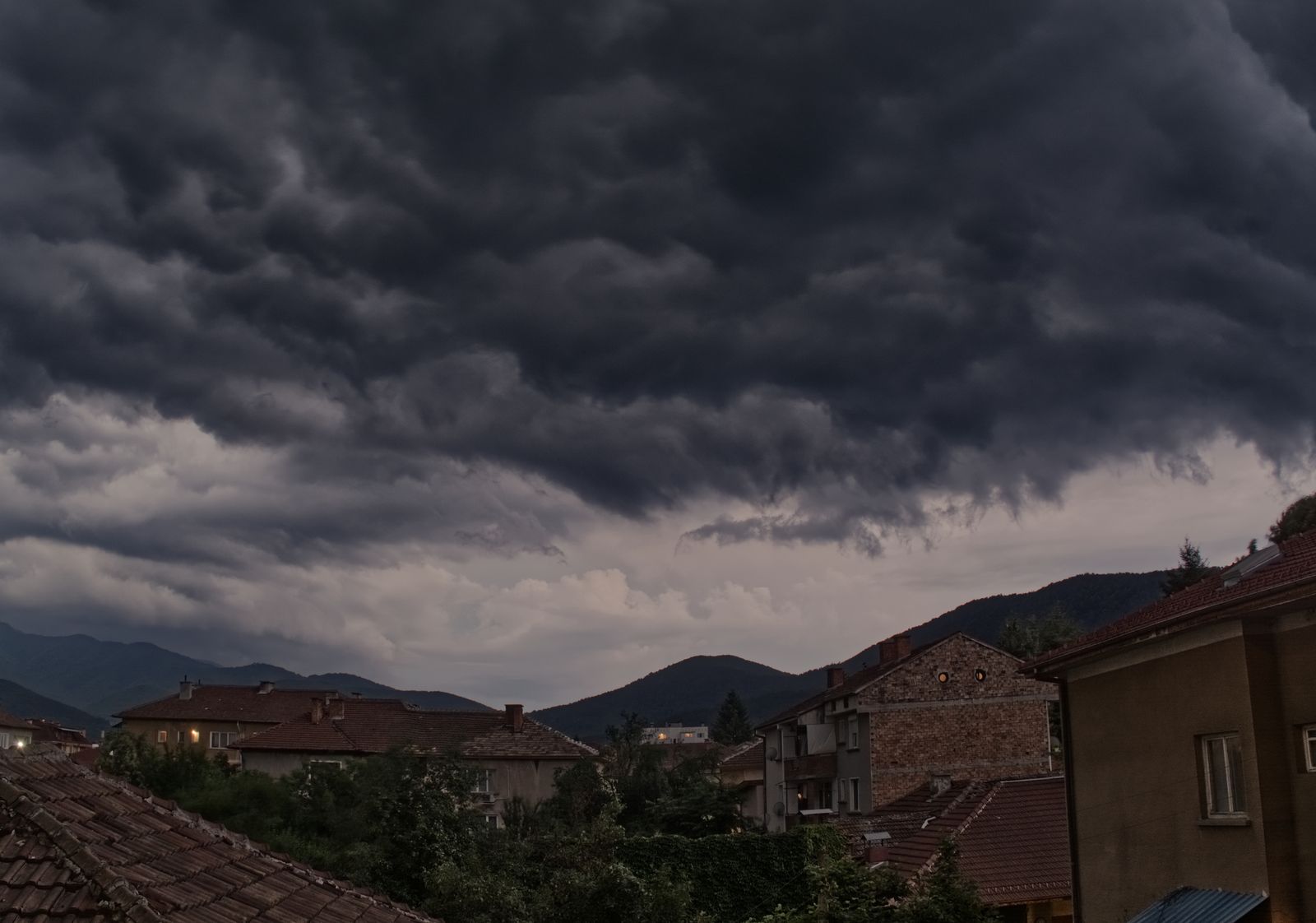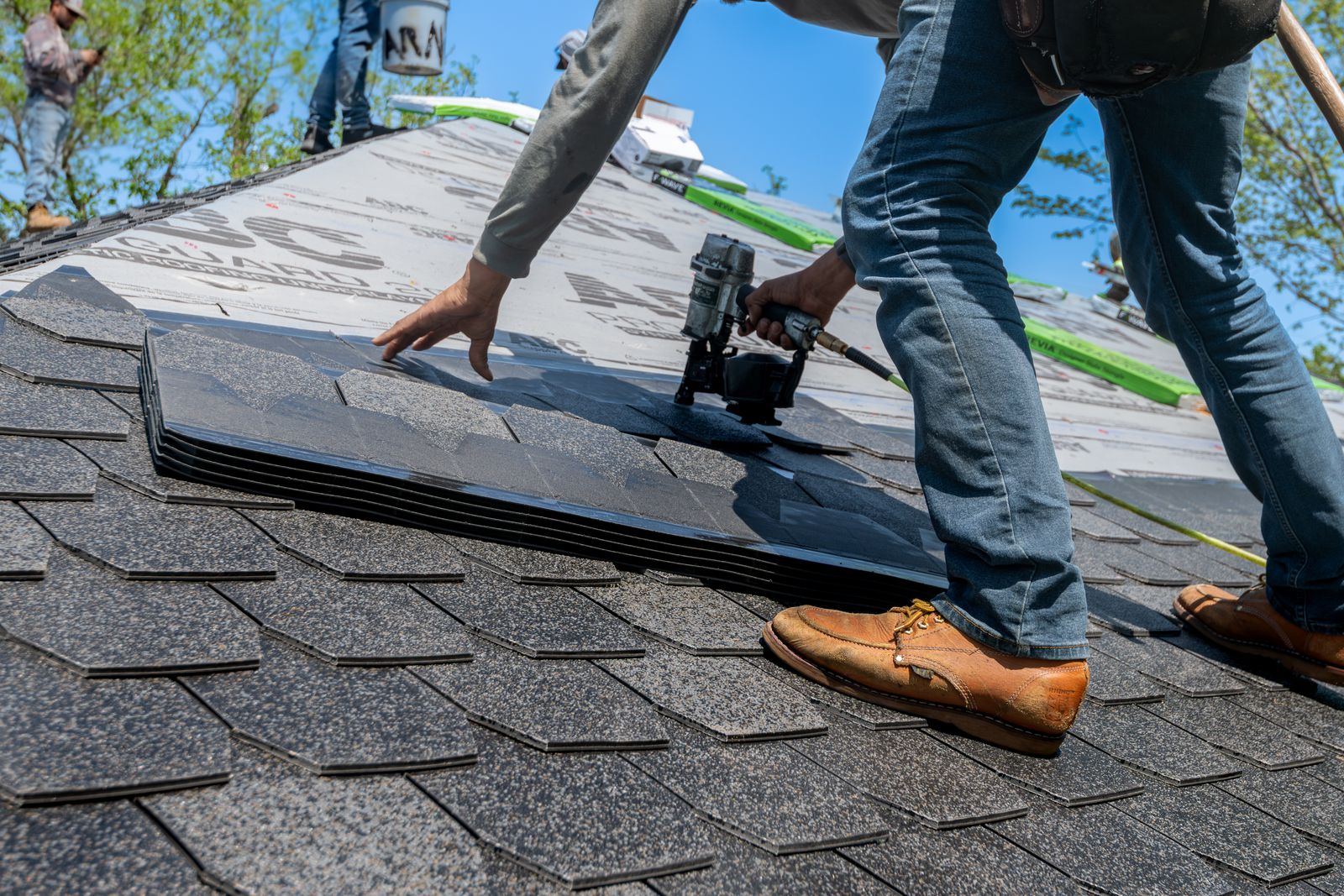
The federal government has been keeping a log of severe weather since 1950, and for Itawamba County that log contains 95 hail events (NOAA Storm Events Database, queried for Itawamba County, Mississippi, all years). The first one on the books fell on April 3, 1974. The largest stone ever recorded in the county measured 2.75 inches — baseball size — at Kirkville on October 25, 1997. That record stood for twenty-eight years until April 2, 2025, when Sand Springs tied it in the same storm that dropped two-inch hail on Fulton.
So the county record for hail was matched sixteen months ago. If a roof around Fulton, Mantachie or Tremont went through that afternoon, that date is worth having written down somewhere.
What the log actually shows
A few things stand out once the 95 reports are sorted.
March is the big month, not April. Around thirty of the 95 reports — roughly one in three — fall in March. April and May follow. Most people picture hail as an April problem because that’s when the famous tornado outbreaks happen, but the count says the season here opens earlier than that.
It isn’t only a spring problem. The log has hail in October, November, December and January. A two-inch stone hit Evergreen on November 29, 2022. The fall secondary severe-weather season is real in northeast Mississippi, and it produces hail, not just wind.
Big hail is a minority of events, but it isn’t rare. Twenty-three of the 95 reports — about one in four — logged stones of golf-ball size (1.75 inches) or larger. That’s the size range where roofs, and not just gardens, start taking damage.
The count has climbed by decade — mostly on paper. The log shows two events in the 1970s and thirty in the 1990s. Hail didn’t get fifteen times more common; reporting did. Doppler radar, trained spotters and cell phones mean far more stones get logged now than in 1978. The honest reading is that the older decades are undercounted, not that the sky changed.
The number that doesn’t add up — and what it means
Here’s the finding that surprised us: across five decades and 95 events, the total property damage recorded in the federal log is about $131,590. Five decades of hail, in a county with thousands of roofs, and the official ledger shows less than the cost of a few roof replacements.
That’s not because hail is harmless here. It’s because storm reports are written the day of the event, by weather observers, before anyone has been up a ladder. Hail damage shows up weeks later, in insurance claims, and those numbers never flow back into NOAA’s log. So the database is excellent at telling you when and how big, and nearly useless at telling you how much it cost.
There’s an honest flip side, and we’ll say it plainly: this is not Texas or Oklahoma. Ninety-five recorded events in seventy-six years works out to a stone worth reporting somewhere in the county a little more than once a year. Hail here is a real, recurring risk that mostly lands on roofs a few times a decade in any one spot — which is exactly why the age and condition of the roof, rather than fear of the next storm, is what carriers keep asking about.
Where coverage typically comes into it
Most homeowners policies in this part of the state treat wind and hail as their own category, often with a separate deductible figured as a percentage of the dwelling limit rather than a flat dollar amount. Policies also vary on whether a hail-damaged roof gets settled at replacement cost or at a depreciated value that drops as the roof ages. Those two details — the wind/hail deductible and the roof settlement basis — decide more about how a hail claim actually goes than anything else on the page, and the only document that says how yours is written is the policy itself.
If you’d like someone to find those two lines and read them with you, bring the policy by the Belmont office, or call or text 662-454-7831. Our home insurance page covers the rest of what goes into a roof conversation.
This article is general information about how coverage typically works, not advice about your specific situation. Your policy is the contract, and it’s the only thing that says what you have. If you’d like someone to read it with you, that’s what we’re here for.