Picture a kitchen fire in a Tupelo apartment. The landlord’s insurance shows up, assesses the damage, and pays to repair the building — the walls, the wiring, the roof over your head.
Your couch, your clothes, your TV, your laptop? Not their building. Not their policy. Not their problem.
What the landlord’s policy actually covers
Your landlord insures what your landlord owns: the structure. That’s the deal, and it’s the right deal — you wouldn’t want to pay premiums on a building you don’t own.
But it means everything you carried through that door on move-in day is yours to protect. Furniture, kitchenware, wardrobe, electronics, the stuff in the closets you’ve stopped noticing. Add it up honestly and most renters are sitting on more than they think — replacing even a modest one-bedroom’s contents from scratch is a five-figure conversation.
What renters insurance actually does
A renters policy — the industry calls it an HO-4 — covers three things:
Your belongings. Fire, theft, smoke, water damage from a burst pipe, and other covered causes of loss — at home and often even when your things are stolen from your car or a storage unit. Policy language governs the specifics, which is exactly the kind of thing we’ll read with you.
Your liability. If a guest gets hurt in your unit, or your overflowing bathtub ruins the ceiling of the apartment below, the liability side of a renters policy responds. This is the part people never see coming — and often the most valuable coverage on the policy.
Your living expenses. If a covered loss makes the unit unlivable, loss-of-use coverage helps with the hotel and the extra costs while repairs happen. Without it, you’re floating that yourself.
”But I don’t own that much”
That’s the most common reason people skip renters coverage, and it rarely survives contact with a claim.
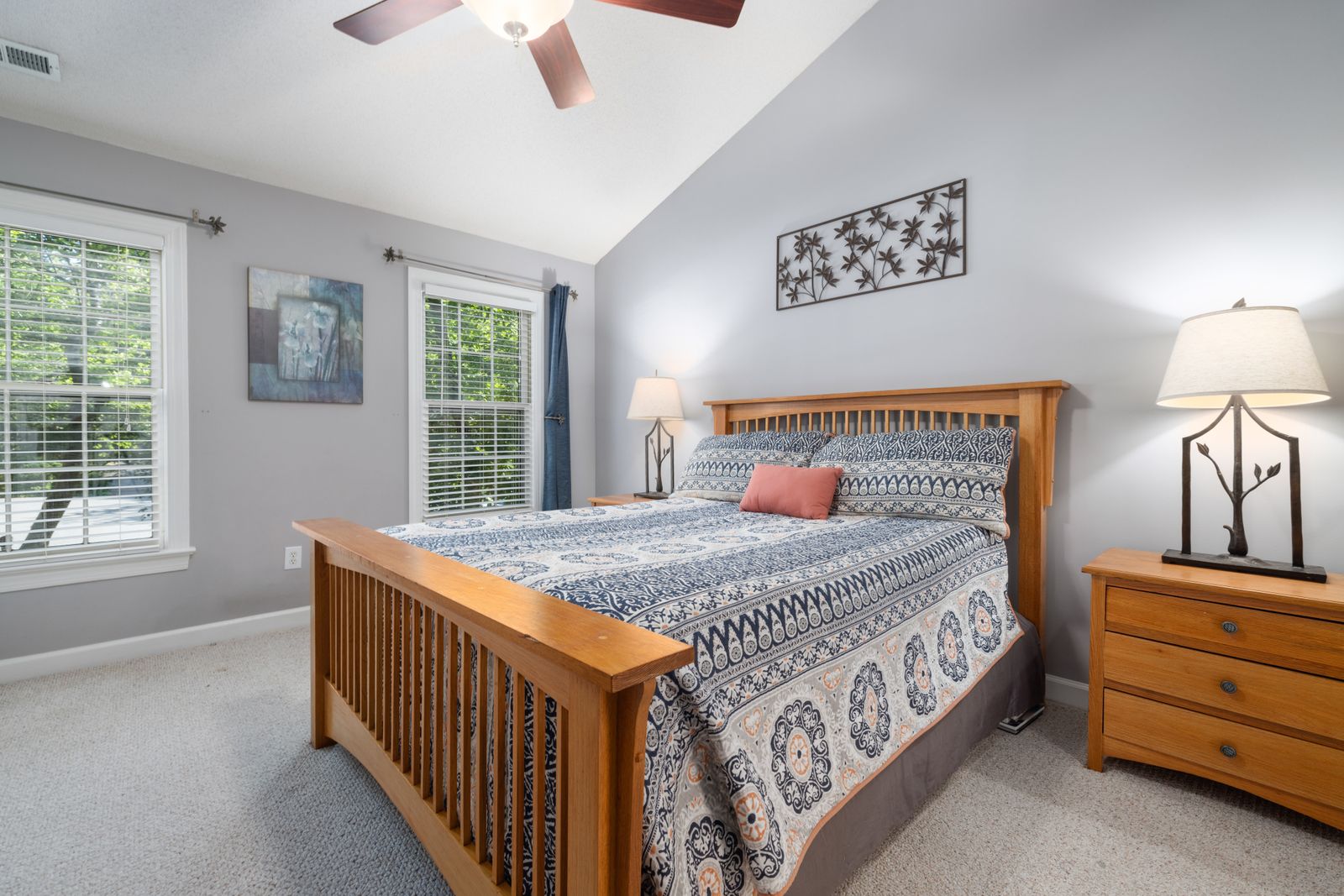
Stand in your bedroom and price the closet — not what it’d fetch at a yard sale, what it costs to replace at the store. Add the kitchen, the electronics, the tools in the truck. The number climbs fast. And even if your belongings really are modest, the liability and loss-of-use pieces alone carry the policy: the coverage that responds when the problem is a hurt guest or a month in a hotel, not a stolen TV.
The policy isn’t really about the stuff. It’s about not starting over from zero.
The Mississippi wrinkle: we’re number one, and not in a fun way
Mississippi has the highest average renters premium in the country — $262 a year, rank 1 nationally. Alabama isn’t far behind at $219, rank 3. The national average is $171.
We’d rather tell you that plainly than pretend otherwise. But look at the number for what it is: even in the most expensive state in the country, the average works out to about the price of a tank of gas and change per month — for coverage on everything you own plus liability protection. And because rates vary meaningfully between carriers, this is precisely the policy worth shopping across 20+ carriers instead of skipping altogether.
We wrote a full guide to renters insurance in Mississippi if you want the deeper version.
Five things to do this week
- Walk every room with your phone camera. Open closets and drawers. Ten minutes of video is the easiest claim documentation you’ll ever make.
- Ballpark your replacement number. Not what your stuff would sell for — what it would cost to buy again.
- Ask about replacement cost coverage rather than actual cash value, so a five-year-old couch is paid as a new couch, not a depreciated one.
- Check your lease. Plenty of landlords around Tupelo and Corinth now require renters coverage — and either way, the requirement isn’t the reason to have it.
- Store the video somewhere that isn’t the apartment. Cloud storage, or a text to your mom. If the unit burns, the inventory shouldn’t burn with it.
Related Coverage: Renters Insurance
Renting in Tupelo, Corinth, Iuka, or across the line in Florence — our renters insurance page covers what a well-built HO-4 looks like and what it costs to find out.
Call or text 662-454-7831. A real person picks up, and we’ll price it across our carriers in plain English — no runaround, no pressure.