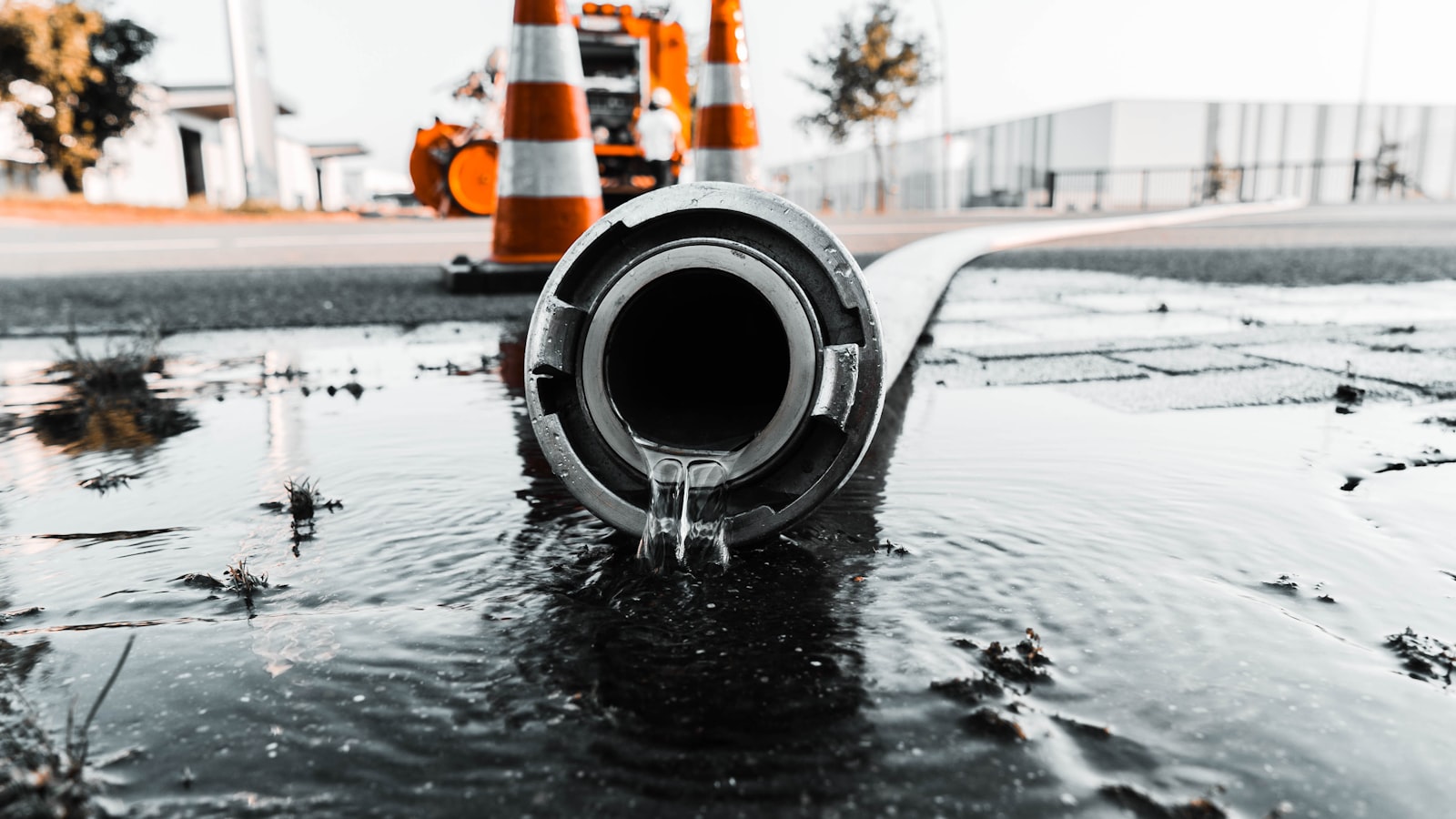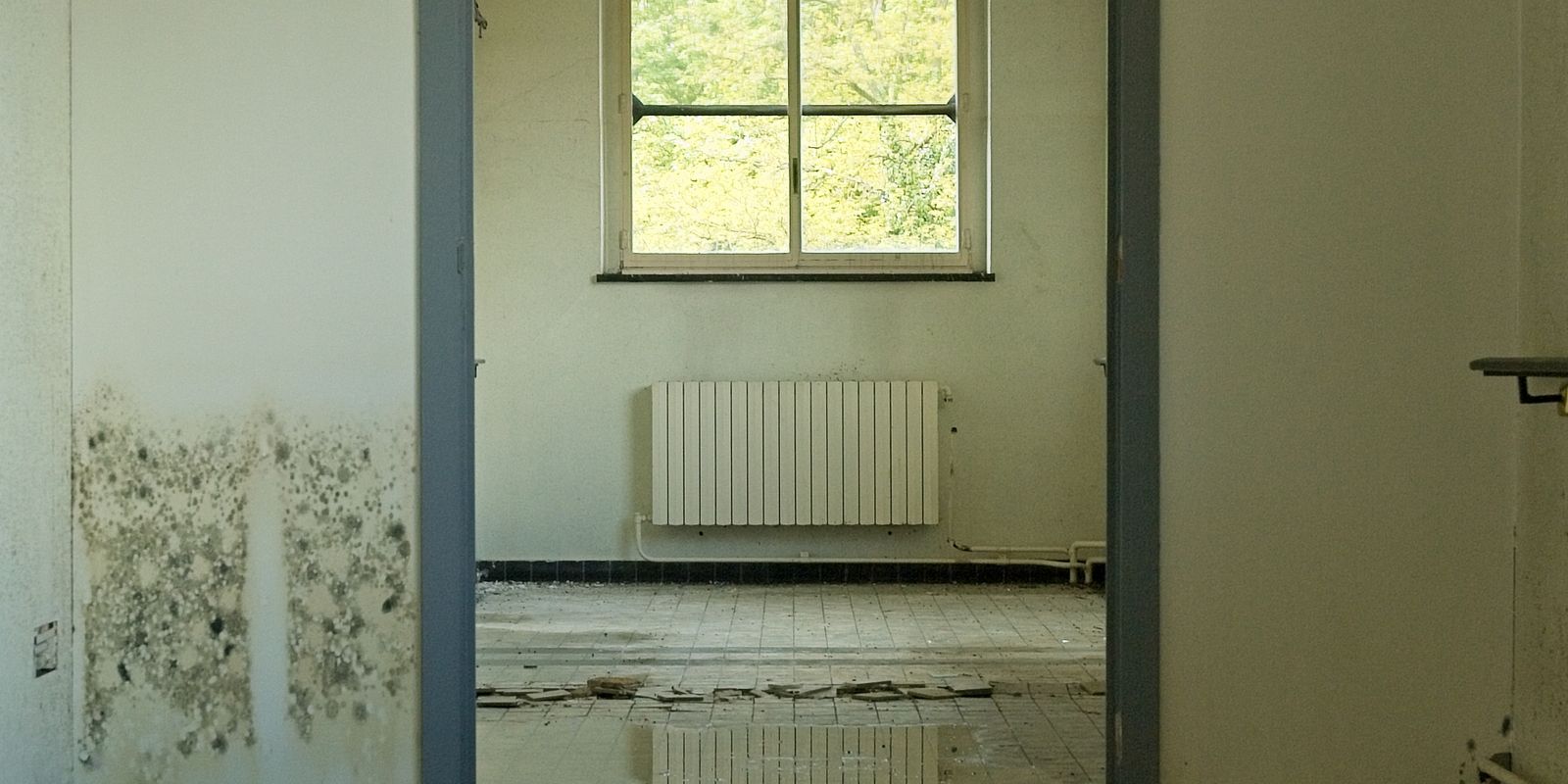
A water loss goes from small problem to major headache fast. A supply line lets go behind the washing machine, a water heater gives out, storm-driven rain finds a way in — and how you handle the first hour decides how much damage you’re cleaning up and how smoothly the claim goes.
Here’s the game plan, in order.
Stop the Water — If You Safely Can
If the water’s coming from something you control — a supply line, a washer connection, a water heater — shut it off at the fixture or at the home’s main shutoff valve.
Knowing where that main shutoff is before you need it is one of the most useful five-minute chores a homeowner can do. Find it today. Show everyone in the house.
If the water’s coming from a storm-damaged roof or anywhere you can’t reach safely, don’t climb after it. And if there’s standing water near outlets or any electrical concern, get everyone out of the area first. Water and electricity don’t negotiate.
The First Hour — A Checklist
- Shut off the source or the main valve, if it’s safe to reach.
- Kill power to the affected area if water is anywhere near outlets or appliances — from the breaker, with dry hands, standing on dry floor.
- Photograph and video everything before you move or toss a single thing — the source if you can see it, the standing water, the flooring, the damaged belongings.
- Start drying: towels, buckets, fans, furniture up out of the water.
- Call or text us at 662-454-7831 and we’ll walk you through the claim — what documentation you’ll need and what happens next, in plain English.
The documentation step is the one people skip. Cleanup mode is a strong instinct. Five extra minutes of photos now saves weeks of back-and-forth later.
What Your Policy Expects From You
Your policy generally expects you to take reasonable steps to keep a bad situation from getting worse — moving furniture, running fans, getting a tarp over the hole. That’s it. You’re not expected to perform a full restoration yourself, and you shouldn’t start permanent repairs before the company has had a chance to look.
Keep receipts for anything you buy along the way. Those costs are often part of the claim.
Water Damage vs. Flood — Two Different Policies
Here’s the distinction that surprises people, and it’s better learned now than mid-claim.
Homeowners insurance typically covers sudden and accidental water damage — the pipe that bursts, the hose that fails. What it generally does not cover is flood: water rising into the home from outside, whether that’s a swollen creek, heavy-rain runoff, or a lake that came up. Flood takes its own separate policy.
And flood isn’t hypothetical in our area. Hardin County, Tennessee — the Pickwick side of the tri-state — has 209 NFIP flood claim records on file, against just 18 in Tishomingo County. If you’re on or near the water, that gap between the two policies deserves a real conversation, not an assumption.
What the Claim Will Ask of You
When you file, expect the company to want the story in order: what failed, when you found it, what you did about it. Your photos answer most of that. Beyond documentation, keep the failed part if you can — the burst section of pipe, the split hose. Adjusters ask about the source, and having the actual culprit in a bag beats describing it from memory.
Keep receipts for everything the loss makes you buy — fans, tarps, a wet vac, even a night somewhere else if the house isn’t livable. Some of it may be reimbursable, and none of it is if there’s no record.
When to Call a Restoration Professional
For anything beyond a very minor leak, bring in a water restoration company. They dry the structure properly — inside walls, under floors — and that’s what keeps mold from becoming its own second claim. Moisture you can’t see is the part that comes back to bite.
Your adjuster and your agent can both help you figure out whether the loss clears that bar. When in doubt, ask.
Related Coverage: Home Insurance
Water damage is one of the most common claims a homeowner ever files — and whether yours goes smoothly depends on decisions made long before the pipe let go. Our home insurance page covers how we build a policy that holds up, with 20+ carriers to shop.
Want your water and flood coverage read before you need either one? Call or text 662-454-7831. A real person picks up, no runaround.