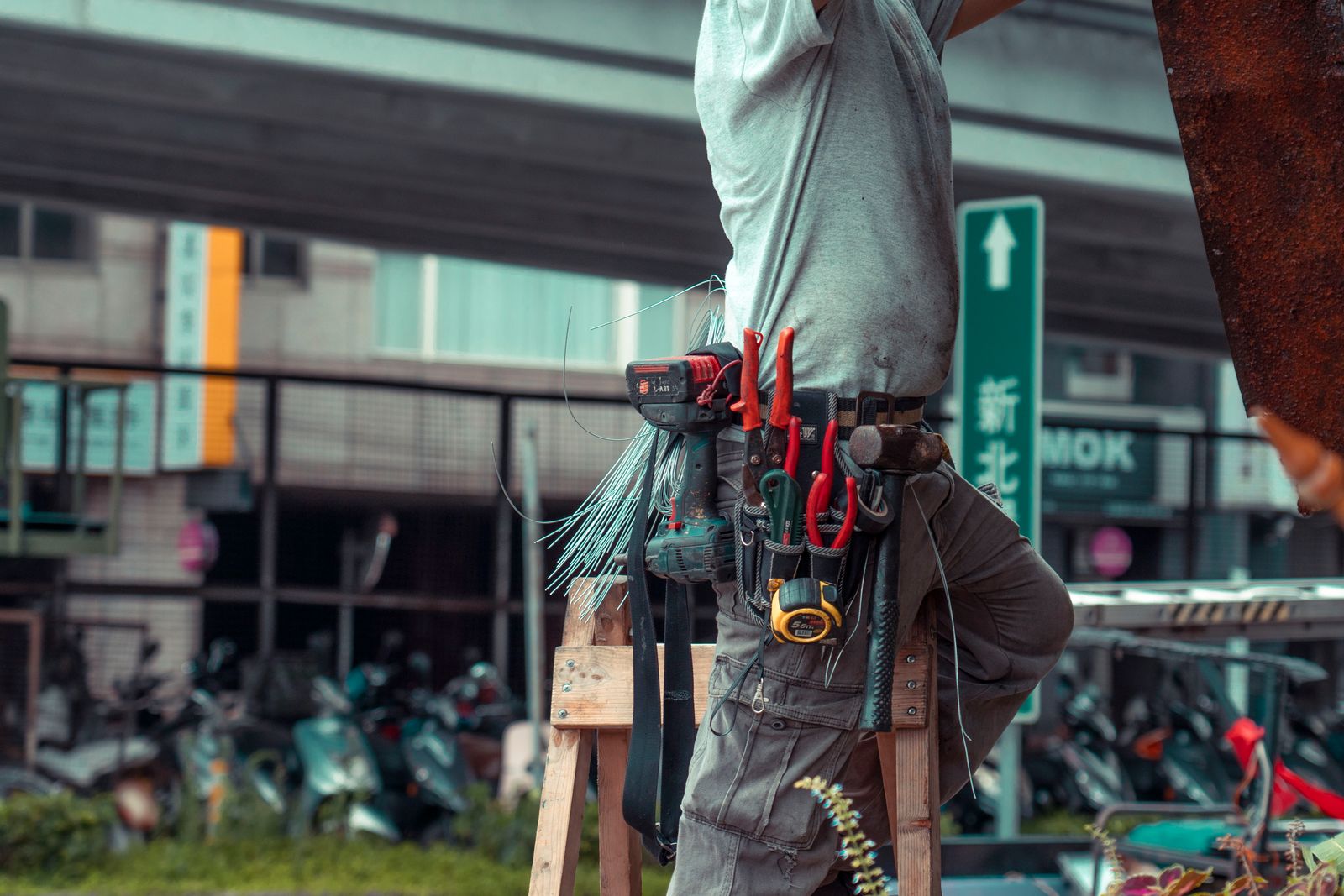
Tishomingo County has 398 employer establishments. Lee County has 2,550. Most of them are small — a few employees, one location, an owner who does payroll on Sunday night.
That’s who this is written for. Five coverages, what each one actually does, and a concrete example of the kind of thing that goes wrong around here.
1. General Liability — the claims other people bring against you
General liability responds when someone outside your business says you hurt them or damaged their property. A customer slips on a wet tile floor in your Iuka storefront. Your crew backs a lift into a client’s glass door in Tupelo. Somebody’s attorney sends a letter.
It covers the bodily injury, the property damage, and — this is the part people forget — the cost of defending the claim, even when the claim is nonsense. Defense costs are real money whether you were at fault or not.
If you run a business, this is the baseline. Most commercial leases and most job contracts require it before you can sign.
2. Commercial Property — your building, your stuff, your inventory
Commercial property covers what you own at your location: the building if you own it, the improvements if you lease, plus inventory, furniture, equipment and tools.
A pipe bursts overnight in a Belmont shop and soaks $18,000 of inventory. That’s a property claim.
Two things trip owners up. First, coverage is written to a limit, and limits set five years ago rarely reflect what it costs to rebuild or restock today. Second, property coverage is tied to the premises — tools in the back of a truck or equipment at a job site usually need to be scheduled separately. We take the time to walk the list with you, because “we assumed it was covered” is not a coverage form.
3. Commercial Auto — the policy your personal auto isn’t
Personal auto policies commonly exclude vehicles used in the business. So the truck with your name on the door, the van that runs deliveries, the vehicle an employee drives to a job site — those belong on a commercial auto policy.
The practical version: a Tupelo plumbing outfit runs two trucks. One rear-ends a car on West Main during a service call. If those trucks were sitting on a personal policy, the carrier can decline the claim on a business-use exclusion. The owner finds out at the worst possible moment.
Commercial auto also handles hired and non-owned exposure — the employee running to the supply house in her own car on company time. That’s a common gap and an easy one to close.
4. Workers’ Compensation — required sooner than most owners think
Workers’ comp pays medical bills and lost wages when an employee gets hurt on the job, and it’s the mechanism that keeps that injury from becoming a lawsuit against you.
In Mississippi, the Workers’ Compensation Commission’s published fact sheet states that all employers with five (5) employees regularly employed are required to provide workers’ compensation insurance coverage. That’s the figure we can cite to a live Mississippi source, and the document carrying it dates to 2013 — so treat it as the threshold to confirm with the Commission, not as this morning’s news. Alabama and Tennessee both land at five as well, with their own carve-outs. If you’re near a threshold, or you operate on both sides of a state line, that’s a conversation worth having before someone gets hurt.
For scale: U.S. private industry employers reported 2.3 cases per 100 full-time equivalent workers in 2024, down from 2.4 cases in 2023. Small numbers until it’s your welder.
5. Business Interruption — the income you lose while you’re closed
Property insurance rebuilds the building. Business interruption replaces the income you would have earned while it was being rebuilt.
Storm takes the roof off a restaurant. Property pays for the roof and the ruined equipment. But you’re dark for eleven weeks, and payroll, rent and the note don’t pause. Business interruption covers the earnings gap and, often, the extra expense of operating out of a temporary location.
This is the coverage owners most often discover they didn’t buy. It’s usually an endorsement, not an automatic inclusion, and the waiting period and the number of months it will pay both matter.
A Five-Point Coverage Check for Your Business
- Pull your current declarations page and read the limits out loud. If a number would not rebuild or restock what you own today, flag it.
- Count the vehicles used for business — including personal vehicles employees drive on your errands — and confirm each one sits on the right policy.
- Count employees the way your state counts them, not the way payroll does. Part-time people often count.
- Check whether business interruption is on the policy at all, and if so, for how many months.
- List every contract or lease that requires you to carry specific limits, and make sure your policy actually meets them.
Bring that list to us. We’ll shop it across 20+ carriers and tell you plainly where you’re thin.
Related Coverage: Business Insurance
Our business insurance page walks through how we build a commercial package for a small Mississippi operation — general liability, property, auto and workers’ comp under one review instead of four separate phone calls.
Coverage descriptions here are general. Your policy language governs what’s actually covered, and the details differ by carrier and by form.
We’re not trying to be the fastest quote in your inbox. We want to be the one that’s actually right. Call or text 662-454-7831 and a real person picks up — Belmont, Tupelo or Iuka, Monday through Friday, 8:00 to 4:30.