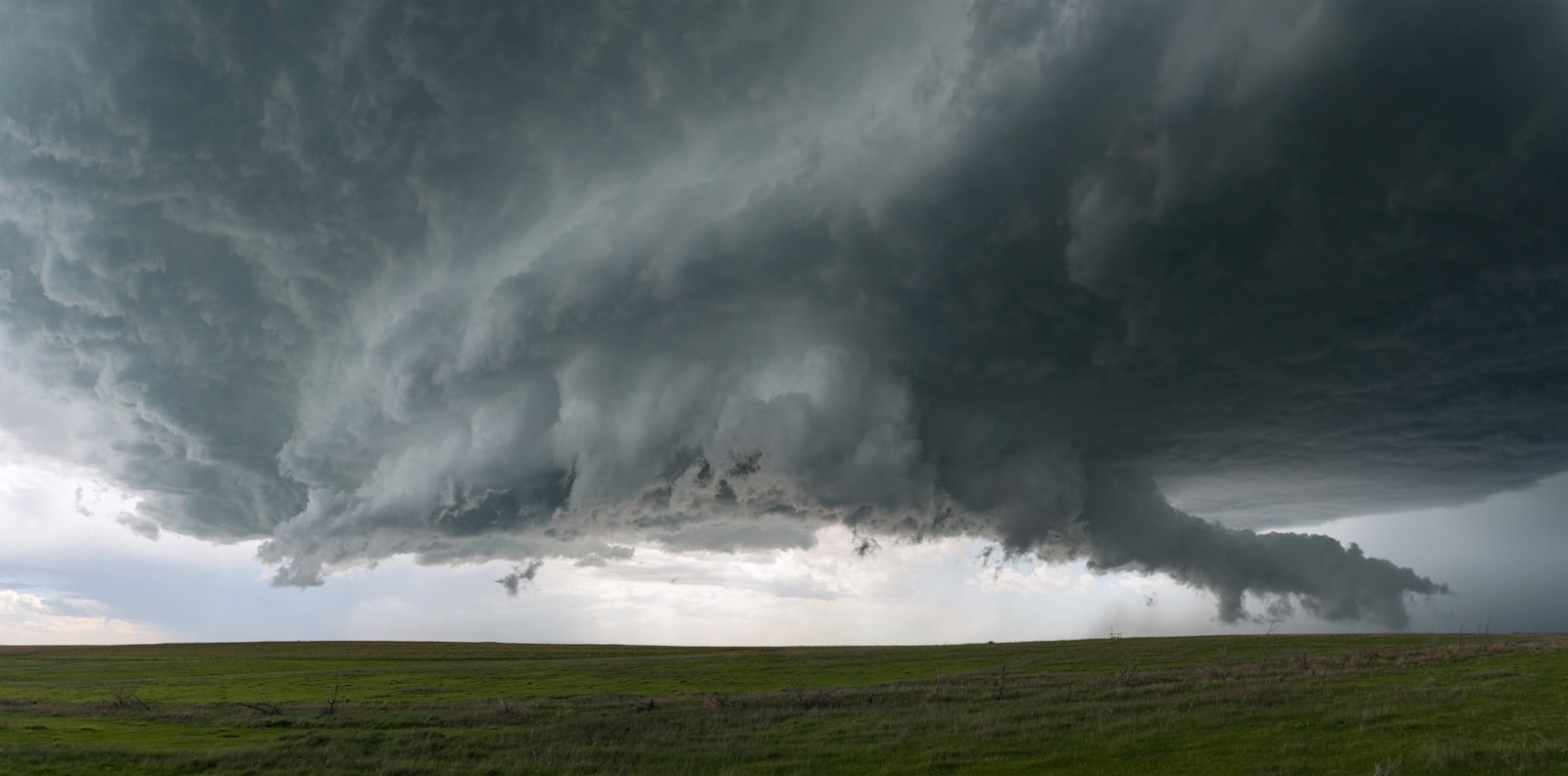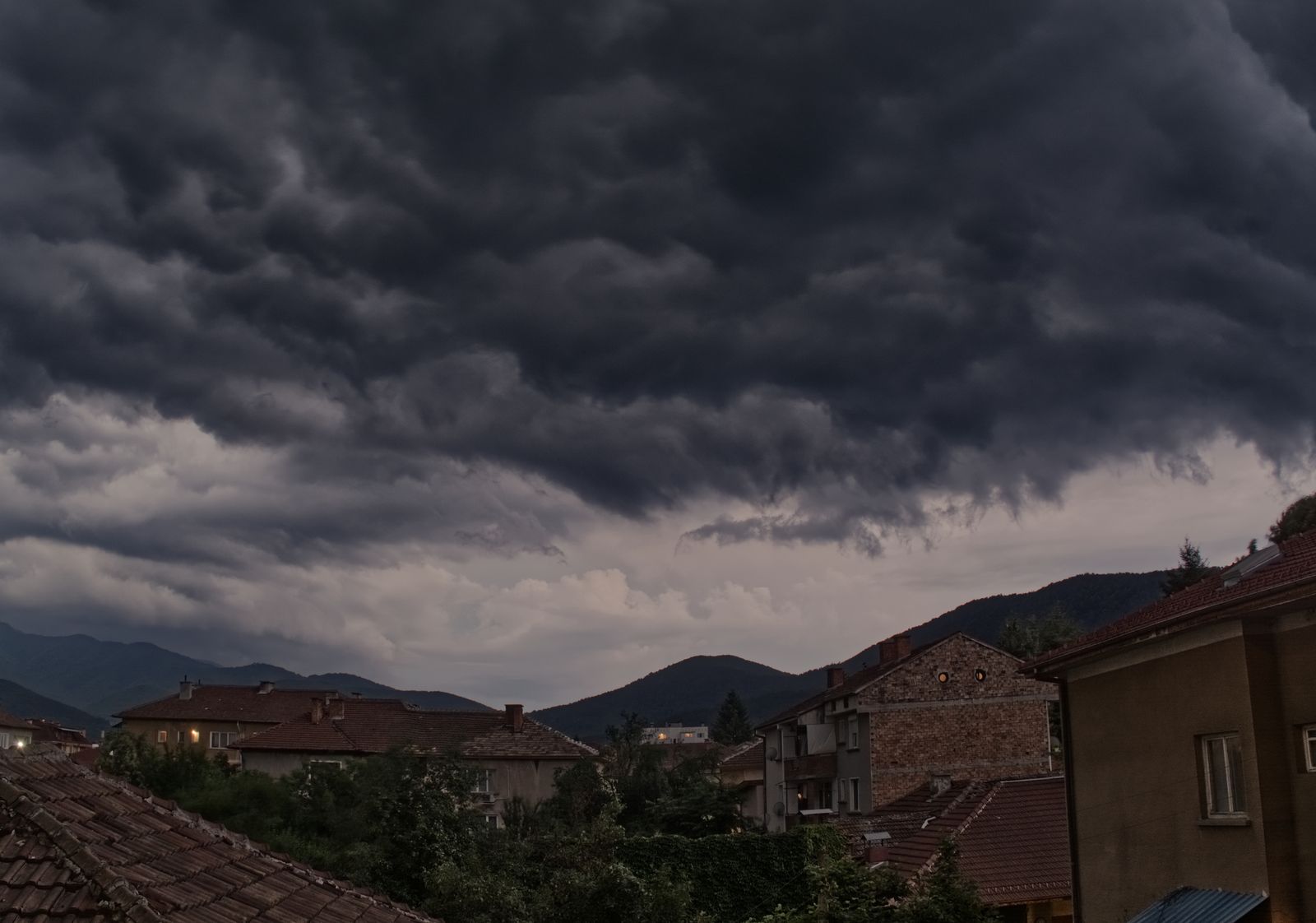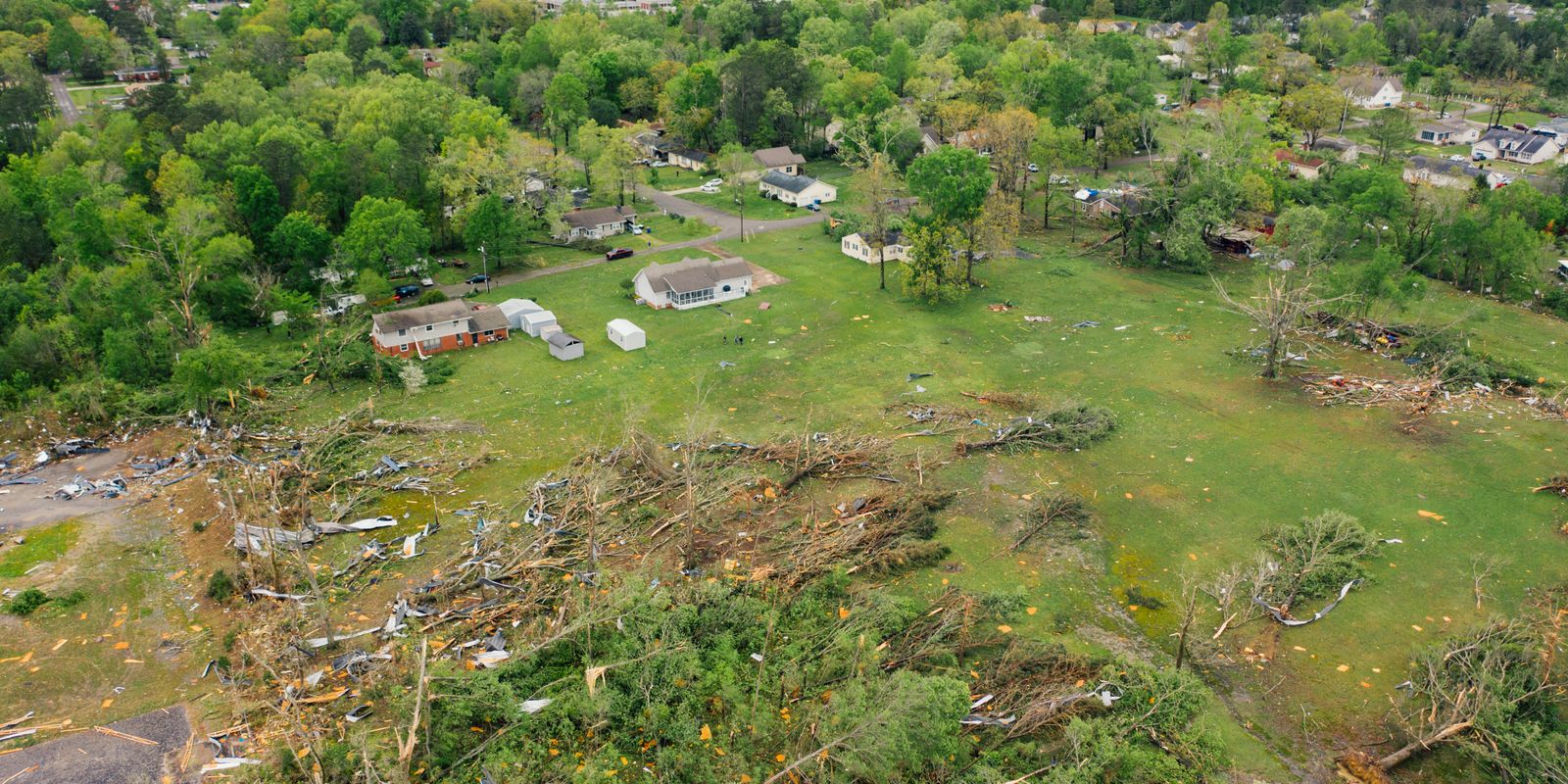
Pull Tishomingo County’s file from FEMA’s disaster database and you get a number that surprises people who’ve lived here their whole lives: since 1973, this county has been included in 19 federal disaster declarations. Eight were severe storms. Four were hurricanes — yes, hurricanes, reaching 300 miles inland with wind and water to spare.
That’s roughly one declared disaster every two and a half years, in a county most risk maps describe as quiet.
The paradox in the data
Here’s the honest, slightly strange picture. FEMA’s National Risk Index rates Tishomingo County’s tornado risk “Relatively Low” — lower than Lee County or Alcorn County next door, and far below the “Relatively High” ratings across the line in Northwest Alabama. We’re not going to pretend otherwise; the day-to-day odds here are genuinely better than our neighbors’.
And yet: 19 declarations. A statewide 2025 that produced 111 tornadoes, fourth in the nation. A county with 18 flood claims on file — small in total, but stacked around a handful of big rain events.
Both things are true at once. Risk in Tishomingo County isn’t a steady drumbeat. It’s episodic — years of nothing, then a night that makes the national news.
Why episodic risk is the kind people under-insure
A steady risk keeps itself on your mind. An episodic one does the opposite — every quiet year is an argument for trimming coverage, raising the deductible past what you could really absorb, letting the dwelling limit drift below what rebuilding actually costs, skipping the flood policy because “it’s never come up.”
Then the once-a-decade event arrives, and the county gets declaration number 20, and the difference between households isn’t luck. It’s whose policy was built for the bad year instead of the average one.
What the history says your policy should look like
- A dwelling limit that reflects rebuild cost today — not the purchase price, not the tax value. Construction costs after a widespread storm are their own event.
- A wind/hail deductible you could write a check for this month. If the percentage on your declarations page translates to a number that would hurt, that’s worth a conversation.
- Replacement-cost roof settlement where you can get it — after a hailstorm, the gap between replacement cost and depreciated value is the whole ballgame.
- Flood coverage where the ground says so — creek bottoms, low lots, Pickwick-adjacent. The county’s 18 flood claims didn’t happen in average years.
- Documentation before the event — a ten-minute phone video of your home and belongings, stored off your phone.
The local advantage, stated plainly
We’ve been in Belmont since 1921, which means this agency has worked through most of those 19 declarations in real time — the claims, the adjusters, the tarps, the rebuilds. That history is baked into how we structure coverage here. We’re not guessing about what a bad night in Tishomingo County looks like; we’ve answered the phone the morning after.
Related Coverage: Home Insurance
The policy that carries you through declaration #20 gets built on an ordinary day — here’s how we approach it.
Want to know how your current coverage would hold up against the county’s next bad year? Call or text 662-454-7831 and we’ll walk through it together — plain English, no pressure.