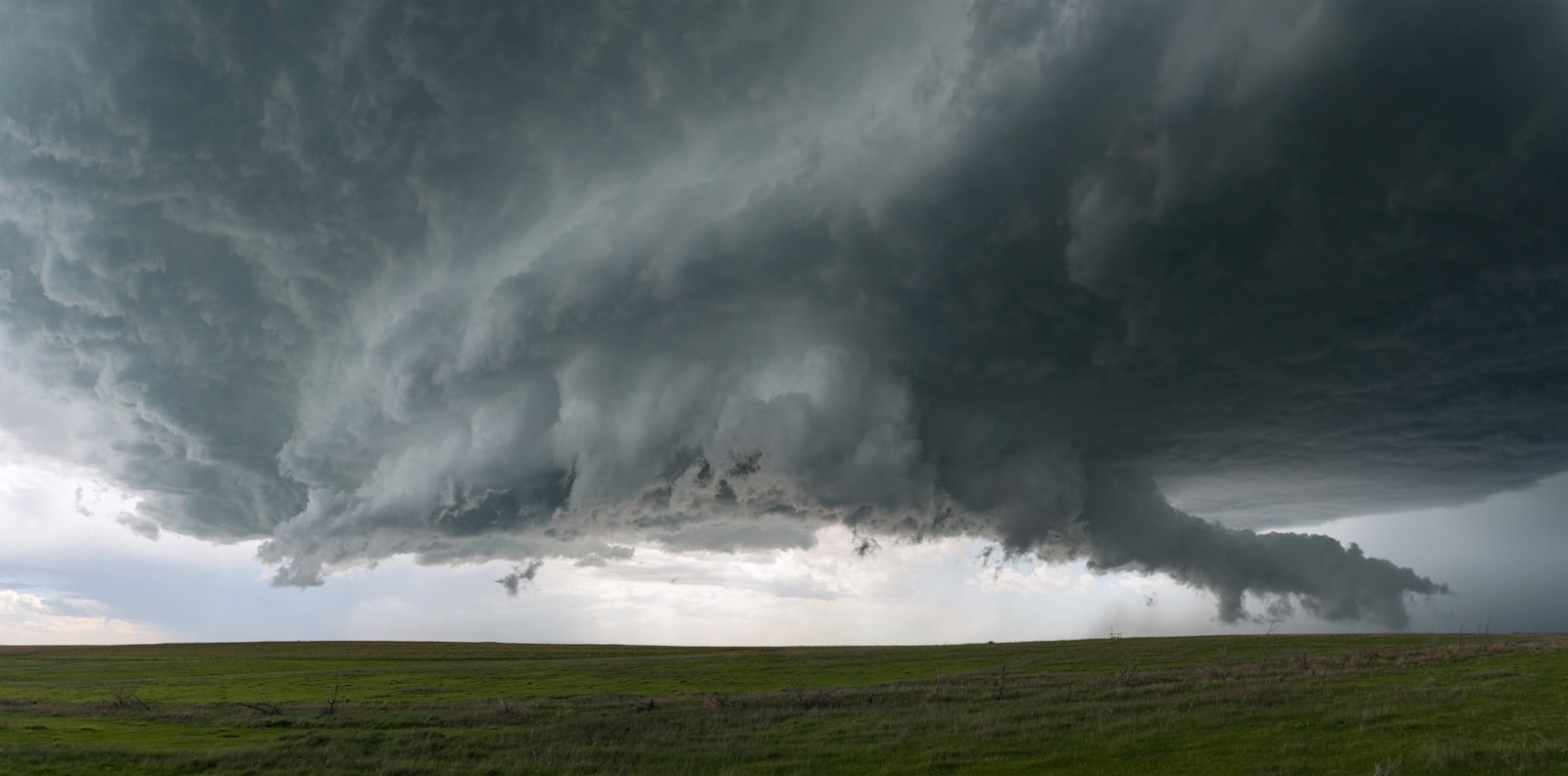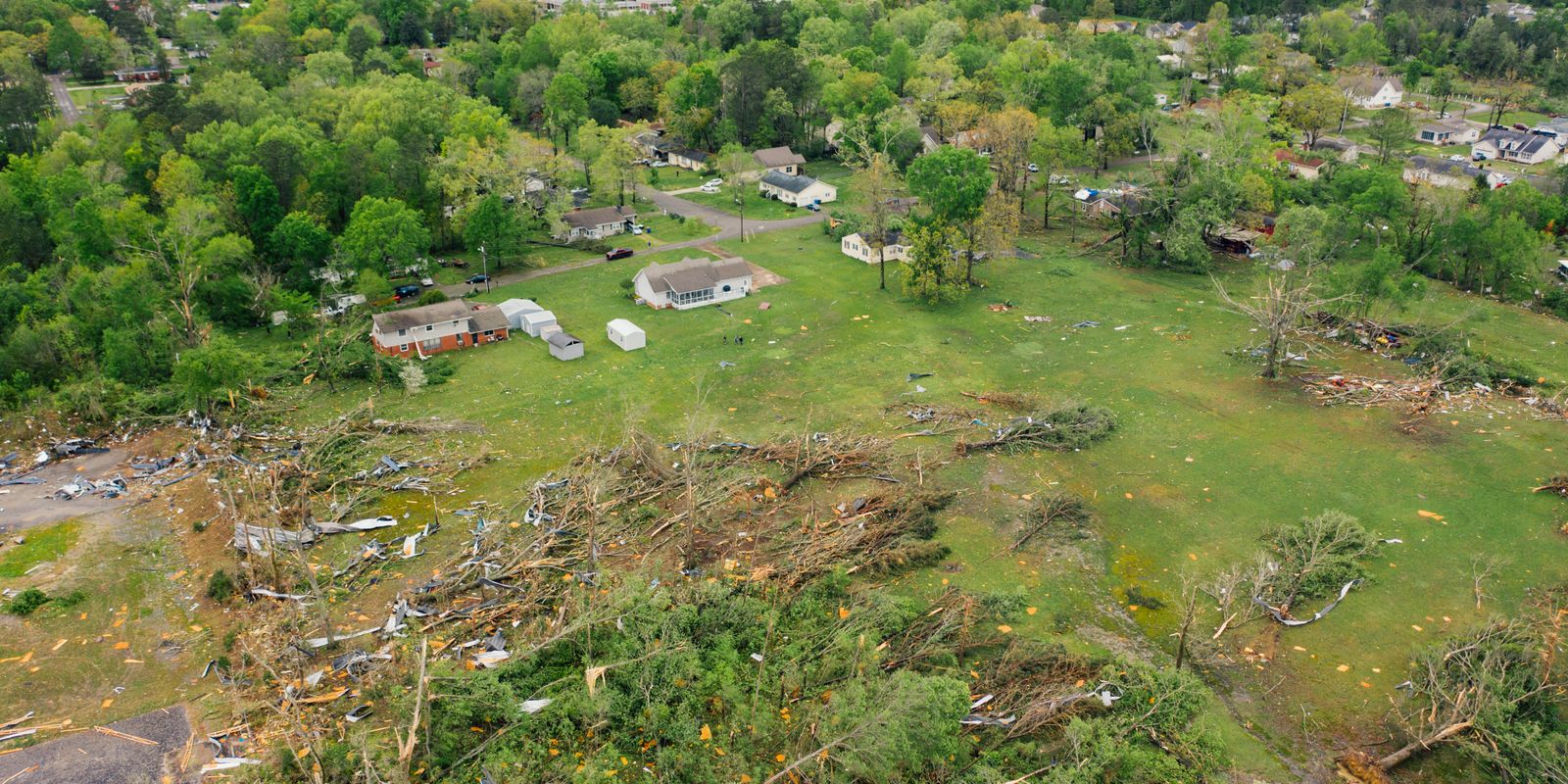
A spring storm system that fires up over the Delta can cross two state lines before midnight — over Belmont, past Muscle Shoals, up toward Pickwick. Same clouds, same radar signature. But the insurance underneath the houses it passes changes at each line.
We write homeowners policies in all three states, which gives us a view most agencies don’t have: how the same storm prices differently depending on which side of the line your roof is on.
The scoreboard: 2025 in three numbers
Two of the top five tornado states in America, plus a third that still out-storms most of the country — and our service area sits where they meet. Almost nobody else writing policies around this corner of the map covers all three.
Mississippi: the highest-ranked risk, and priced like it
Mississippi’s average homeowners premium is $1,907 a year, 7th-highest in the country. That’s the market telling you what it thinks of our spring severe-weather season.
For Mississippi homeowners, the details that matter most are structural: how your wind and hail deductible is written — a percentage deductible on a $200,000 house behaves very differently than a flat $1,000 — and whether your dwelling limit would actually rebuild the house at today’s costs. FEMA’s National Risk Index puts Lee and Alcorn counties at Relatively Moderate tornado risk, so Tupelo and Corinth homeowners should treat the wind deductible as the most important number on the declarations page.
Alabama: the highest county ratings in our footprint
Cross into the Shoals and the county-level picture sharpens. FEMA rates Lauderdale County’s tornado risk Relatively High, and Colbert County’s strong wind risk Relatively High — the strongest ratings anywhere in our service area.
Yet Alabama’s average premium is $1,748 — lower than Mississippi’s. State markets and county risk don’t move in lockstep, which is exactly why a Florence or Muscle Shoals homeowner shouldn’t assume a lower premium means the exposure went away. For our Alabama clients, roof age and construction details drive a lot of what carriers will do — worth knowing before storm season, not after.
Tennessee: lower ranking, lower premiums — and a deadlier year
Tennessee’s 41 tornadoes ranked just 14th, and its average premium is the lowest of the three at $1,492. But don’t read “lowest premium” as “safest” — those 41 tornadoes killed 9 people in 2025, more than Alabama’s 72 did. And FEMA rates Hardin County — Pickwick country — Relatively High for strong wind.
Tennessee’s lower premiums make it tempting to buy thin. Around the lake, with wind risk rated that high, that’s the wrong corner to cut.
An honest word about Tishomingo County
Here’s a number we could hide, but won’t: FEMA rates Tishomingo County’s tornado risk Relatively Low — lower than every neighbor we just named.
But the county has still absorbed 19 federal disaster declarations since 1973, 8 of them severe storms. Risk here is episodic rather than constant — long quiet stretches, then a very bad week. That pattern is precisely why people under-insure for it. The quiet years convince you the coverage is a formality. The declarations say otherwise.
Before this storm season: a five-point check
- Find your wind/hail deductible and translate it to dollars. If it’s a percentage, do the math on your dwelling limit.
- Check your dwelling limit against rebuild cost — not market value, not the tax assessment.
- Confirm how your roof is covered — replacement cost or actual cash value makes a four-figure difference on a storm claim.
- Ask what your policy does about temporary living costs if the house is unlivable after a storm.
- If you own property in more than one state — a home in Iuka, a cabin at Pickwick — review them together, because the policies won’t match by default.
Related Coverage: Home Insurance
One agency, three states, the same storm system. Our home insurance page covers how we build policies for the weather this region actually gets.
Call or text 662-454-7831 before the sirens do the reminding. We take the time to read your declarations page with you — plain English, no runaround.