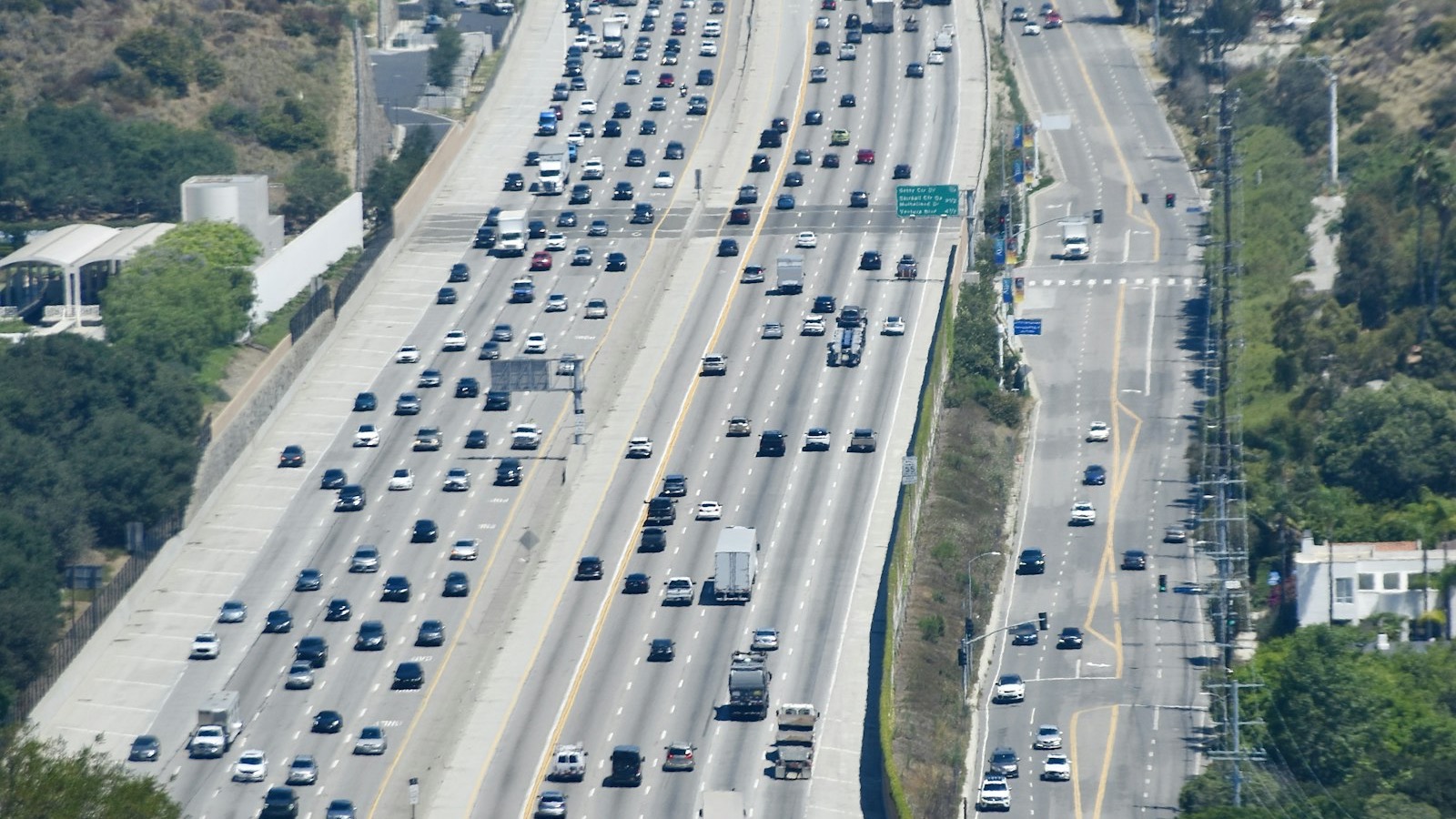
Count the next four cars that pass you on 72. Statistically, one of them has no insurance at all.
That isn’t a scare line — it’s the state’s ranking. And it changes how a Mississippi auto policy ought to be built.
The number, and where the neighbors land
Mississippi’s estimated uninsured-motorist rate is 28.2%, which is rank 1 in the United States (Insurance Research Council, via III).
The states on either side of us aren’t far behind:
- Tennessee — 21.3%, rank 5 in the U.S.
- Alabama — 16.8%, rank 15 in the U.S.
We write in all three. Belmont sits about ten miles from the Alabama line, and plenty of our clients live in one state and work in another. So this isn’t a Mississippi-only problem for a Mississippi-only policy — it’s the driving environment across the whole area we serve.
What actually happens after a crash with an uninsured driver
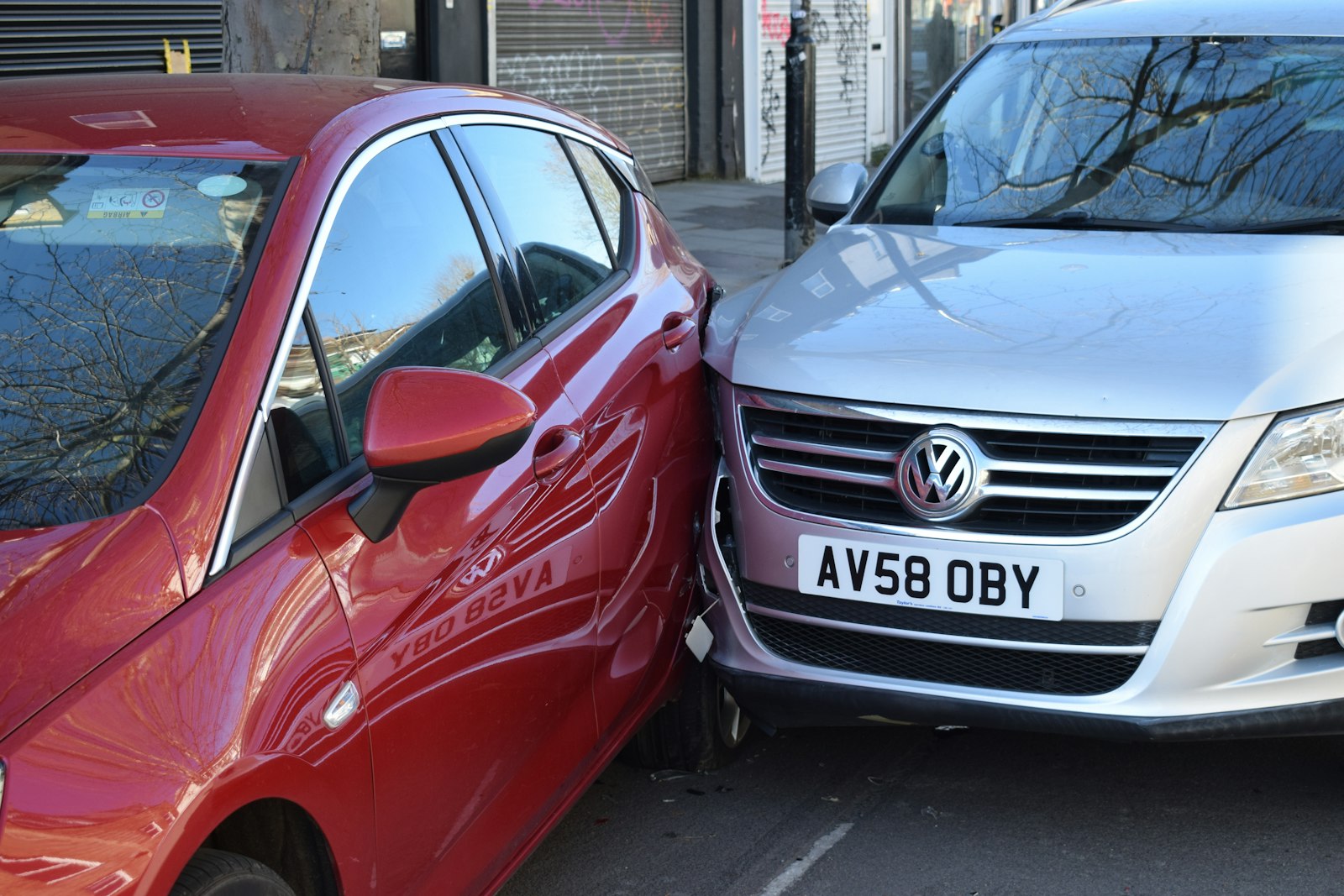
Say it’s not your fault. The other driver runs a stop sign, you’re hurt, your vehicle’s bent.
Normally their liability coverage pays for your injuries and your car. If they have no coverage, that source is simply gone. You can pursue them personally — and people do — but a driver who couldn’t afford a policy often can’t fund a judgment either. Collections take years and frequently return very little.
So the claim goes where it can go: your own policy.
If you carry uninsured motorist coverage, it responds. If you don’t, you’re covering your own injuries out of health insurance and your own pocket, and your vehicle damage falls to your collision coverage and deductible — assuming you carry collision.
Then there’s the hit-and-run. Nobody stopped, nobody to sue, no policy to find. UM is the coverage built for exactly that.
Uninsured vs. underinsured — two different gaps
People use the terms interchangeably. They aren’t the same thing.
Uninsured motorist (UM) — the at-fault driver had no liability coverage. Zero. Your UM coverage steps into the empty spot.
Underinsured motorist (UIM) — the at-fault driver had coverage, but it ran out before your claim did. They carry state-minimum limits, your injuries are worth more than that, their carrier pays its limit and closes the file. UIM covers the difference, up to your limit.
Both usually have a bodily injury component, and depending on how the policy is written there may be a property damage piece. Coverage descriptions here are general — how it applies in a specific claim depends on your policy language and the facts. That’s what we’re for.
Why UM limits should track your liability limits
Here’s the logic we walk clients through, and it holds up every time.
Your liability limits are the number you picked to protect other people from what you might do to them. Your UM limits are the number protecting your household from what somebody else does to you.
It’s hard to argue the second number should be smaller than the first.
Yet split declarations pages are everywhere — solid liability limits, UM sitting at the statutory floor or declined entirely years ago and never revisited. In a state ranked first in the nation for uninsured drivers, that’s the gap most likely to hurt.
Pull your declarations page. If your UM limits are lower than your liability limits, there should be a reason you can say out loud.
Five things to do about it
- Find your UM and UIM limits on the declarations page and compare them to your liability limits.
- Ask for a quote at matched limits. See the actual difference before deciding it’s too expensive.
- Confirm every household driver is listed — UM generally follows people, and an unlisted driver complicates a claim.
- Check whether you carry collision, because it’s the coverage repairing your vehicle when the other driver can’t.
- Ask about an umbrella policy if you have assets or income worth protecting; some can extend uninsured motorist limits.
Related Coverage: Auto Insurance
Auto is what we do most, in Mississippi, Alabama, and Tennessee. We shop 20+ carriers, and we build the uninsured-motorist side of the policy like it’s going to get used — because in this state, it gets used.
Call or text 662-454-7831. A real person picks up, and we’ll read the policy with you in plain English.