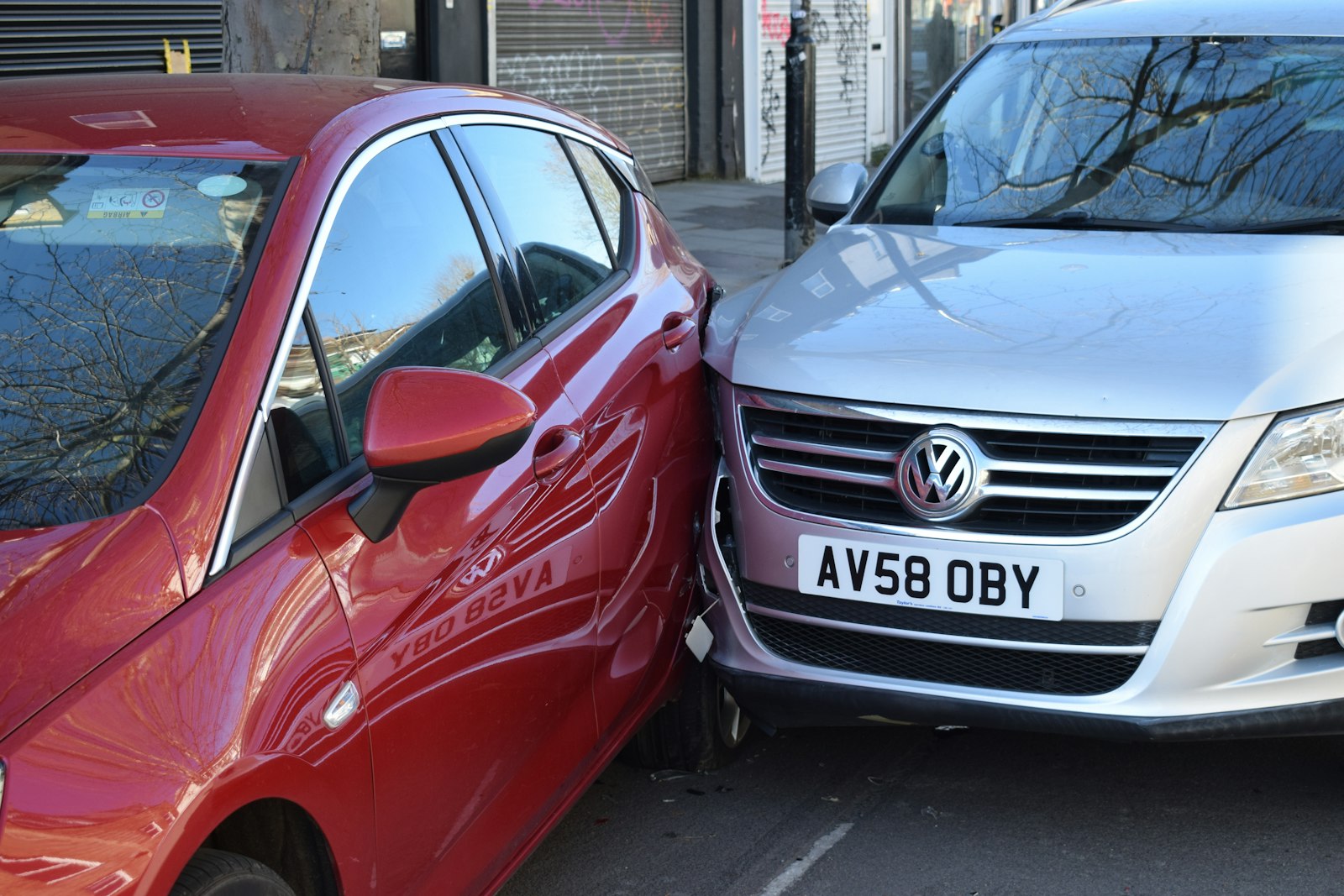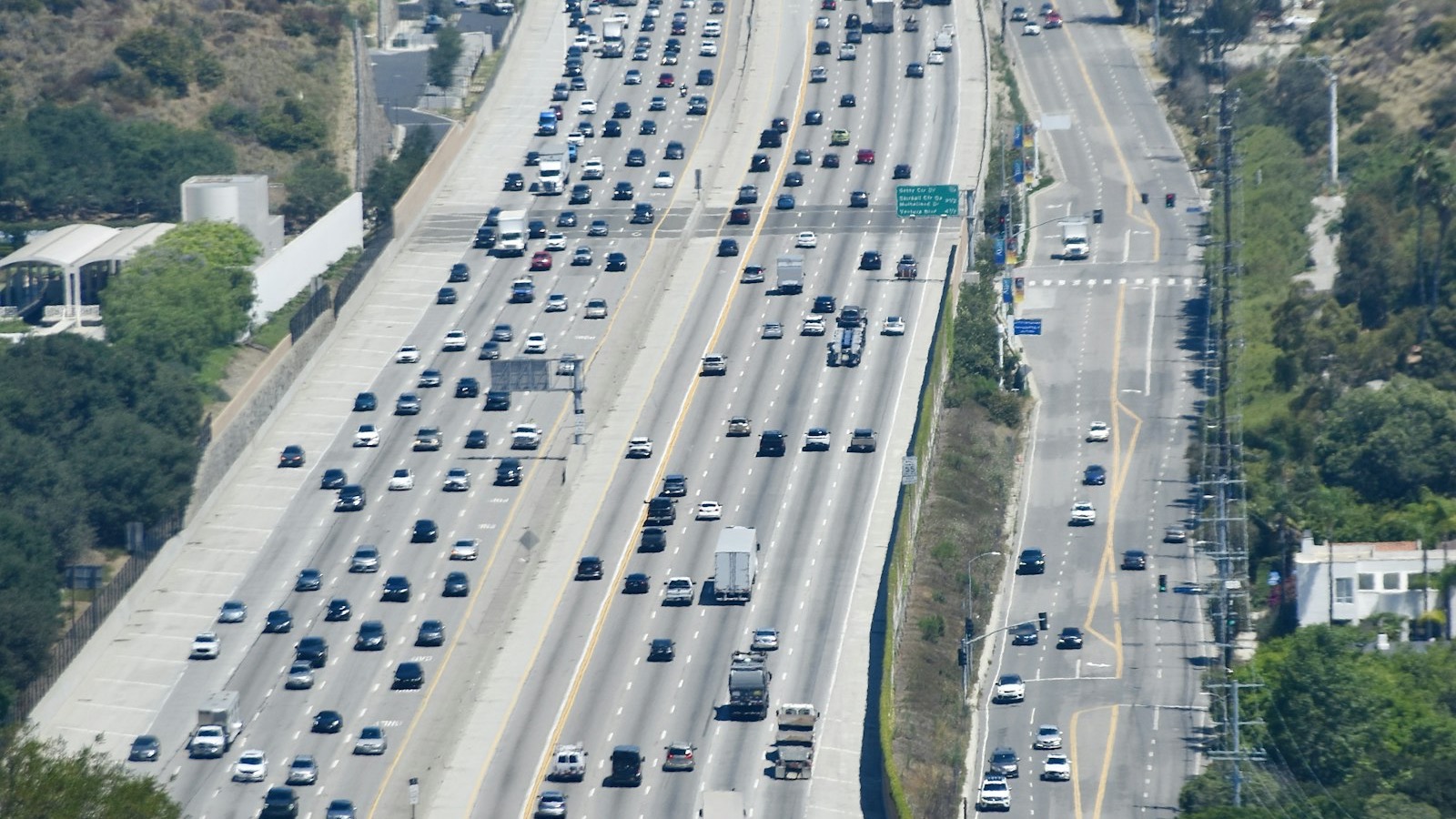
Somebody sold you a policy that meets Mississippi law. Good — that’s the floor. The question nobody asked you at the time is whether the floor is where you actually want to be standing after a wreck on Highway 25.
Let’s take the numbers apart in plain English.
What 25/50/25 actually means in dollars
Mississippi requires $25,000 per person (limited to a single accident), $50,000 per accident for bodily injury, and $25,000 per accident for property damage (Mississippi Insurance Department).
Three separate buckets, and they don’t share money:
- $25,000 per person — the most the policy pays for any one injured person’s bodily injury claim.
- $50,000 per accident — the most it pays for everyone’s injuries combined, no matter how many people were in the other vehicle.
- $25,000 property damage — the most it pays for what you damaged. The other car. A fence. A utility pole. A storefront.
Here’s the part that surprises people: none of that money is for you. Liability coverage pays other people for harm you caused. Your truck, your hospital bill, your lost wages — different coverages entirely.
Where those limits run out
Property damage is the easiest place to see the problem. Twenty-five thousand dollars is a real number, but it isn’t a number that replaces every vehicle on the road today — and it certainly doesn’t stretch when you’ve hit two of them plus a guardrail.
Bodily injury runs out faster and quieter. One ambulance ride, one surgery, one stay that turns into a few days — a serious injury claim can pass $25,000 before anybody has talked about lost income or long-term care. When the claim is bigger than the limit, the policy pays its limit and stops. The rest doesn’t disappear. It follows you.
That’s the whole risk in one sentence: minimum limits don’t cap what you owe, they only cap what your insurance pays.
Mississippi’s uninsured rate changes the math
Now flip it around. You’re the one who got hit.
Mississippi has the highest uninsured-driver rate in the country — 28.2% (Insurance Research Council, via III). Better than one in four. Whatever the at-fault driver’s limits are, there’s a meaningful chance the answer is “none.”
And plenty of the drivers who are insured are carrying exactly 25/50/25. If your injuries are worth more than their limit, their policy pays its limit and you’re looking at the difference.
This is why we don’t treat uninsured/underinsured motorist coverage as an add-on around here. In this state, it’s the coverage doing the work.
UM/UIM — the coverage that pays when the other guy can’t
Uninsured motorist (UM) steps in when the at-fault driver has no coverage — including a hit-and-run, where there’s nobody to bill.
Underinsured motorist (UIM) steps in when they had coverage, but not enough to cover what happened to you.
Two things worth knowing. First, UM limits are yours to choose, and they generally shouldn’t sit below your liability limits — you’ve decided what other people’s injuries are worth protecting; your family’s are worth at least that. Second, this coverage follows the people on your policy, not just the car in your driveway.
Coverage terms and how they apply are general here — your policy language governs. That’s a conversation to have with a real person before a claim, not after.
What it costs to move up
The state’s average auto insurance expenditure is $1,199.52 in Mississippi, ranked 19th nationally (NAIC, via III). That’s what the average driver here spends across a year, and it’s a useful anchor when someone tells you higher limits are unaffordable.
Going from minimum limits to something more substantial is usually one of the cheapest lines on the quote — liability limits price out very differently from collision on a new vehicle. We won’t tell you what your number will be until we’ve shopped it. But of all the ways to spend the next dollar on an auto policy, this one buys the most.
Five questions to ask about your own policy
- What are my actual liability limits? Pull the declarations page. Look for the three numbers.
- Do I carry uninsured and underinsured motorist coverage, and at what limits? If it’s blank or lower than your liability, flag it.
- What happens if I injure more than one person? That’s the middle number — the per-accident cap.
- Is my property damage limit realistic for the vehicles I drive around every day?
- Would an umbrella policy make sense on top? If you have assets or wages worth protecting, ask.
Bring the declarations page to us and we’ll go through it line by line. No runaround.
Related Coverage: Auto Insurance
We write personal auto in Mississippi, Alabama, and Tennessee, and we shop 20+ carriers to structure limits that hold up — not just limits that satisfy the statute.
We’re not trying to be the fastest quote in your inbox. We want to be the one that’s actually right. Call or text 662-454-7831 and we’ll take the time to read your policy with you.