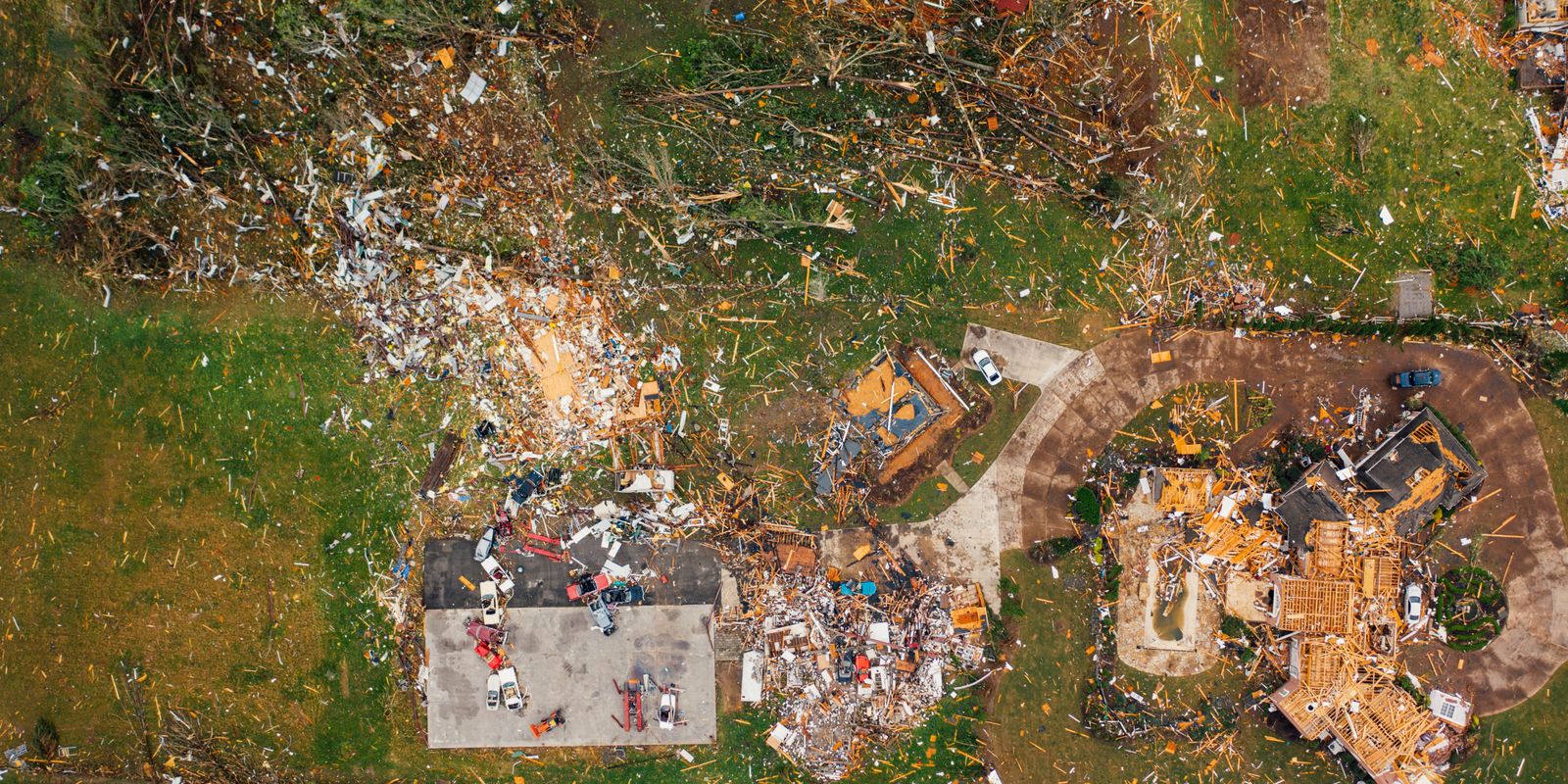
The storm’s gone. The power might be out, there’s a limb through the fence, and the roof doesn’t look right. What you do over the next day or two matters more than most people realize — for your family’s safety first, and for your claim second.
Mississippi recorded 111 tornadoes in 2025 — fourth in the nation — and the same systems drag straight-line wind and hail across Belmont, Iuka, Tupelo, and Corinth every spring and fall. Around here, storm damage isn’t an if. It’s a when.
Safety First, Photos Second
Check on everyone. Then look for downed power lines, the smell of gas, sagging ceilings — anything structural that doesn’t seem right. If part of the house feels unsafe, stay out of it until someone qualified says otherwise. No photo is worth an injury.
Once it’s safe, document everything before you move a single shingle. Wide shots of the roof, siding, windows, fence, and outbuildings — then close-ups. Video helps too. It’s far easier to capture the damage now than to reconstruct it from memory three weeks into a claim.
The First 48 Hours — A Checklist
- Confirm everyone is safe, and steer clear of downed lines and damaged gas connections.
- Photograph and video everything — before cleanup, before tarps, before the neighbor’s chainsaw shows up.
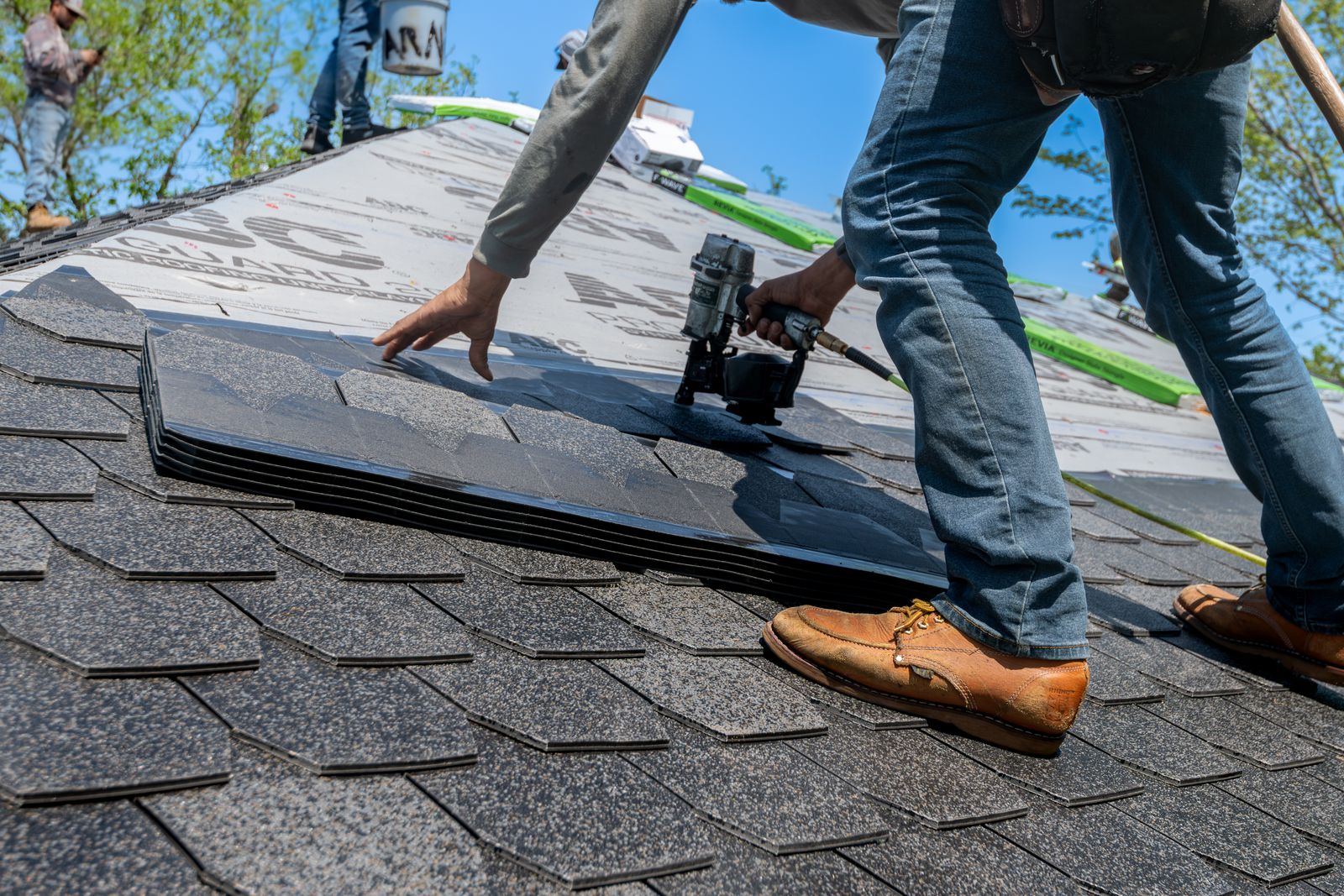
- Make temporary repairs to stop further damage: tarp the hole in the roof, board up the broken window. Keep every receipt — those costs are often reimbursable as part of your claim.
- Call or text us at 662-454-7831. We’ll walk you through the claim in plain English — what to expect, which deductible applies, what happens next.
- Start a folder, physical or digital, for photos, receipts, estimates, and every conversation with the insurance company.
One caution: hold off on permanent repairs until the company has had a chance to inspect. Temporary protection is expected. A brand-new roof installed before the adjuster arrives is a problem.
Know Which Deductible Applies
Many policies in our area carry two deductibles — a standard one, and a separate wind and hail deductible that’s often a percentage of your home’s insured value rather than a flat dollar amount. After a storm, it’s almost always the wind and hail number that applies, and plenty of homeowners don’t know what theirs works out to in dollars until the day they need it.
Nationally, wind and hail is the most common cause of homeowners loss — 2.8% of insured homes have such a claim in a given year, with an average severity of $14,747. This is the deductible that gets used. Ask us what yours actually is — we take the time to spell it out in real dollars, not just on paper.
Door-to-Door Contractors: Slow Down
After a big storm, trucks with out-of-area plates start rolling through damaged neighborhoods. Some are legitimate. Some aren’t.
A few habits protect you: get more than one estimate, verify licensing and local references, and never sign anything on the spot under pressure. And if a contractor offers to “cover” or “waive” your deductible — step back. Your deductible is your responsibility, and an offer to make it disappear usually means the money is coming from somewhere else in the job.
When in doubt, run the estimate past us before you sign. No runaround — we’ll tell you what looks normal and what doesn’t.
Work the Claim, Keep the Records
The insurance company will likely send an adjuster. It’s fine — smart, even — to have your own repair estimates in hand, and to ask questions if the adjuster’s assessment doesn’t match what you’re seeing. Storm claims can take time to resolve, and organized records are what keep a slow process from becoming a frustrating one.
That’s also where an independent agent earns their keep. We’re not the adjuster and we’re not the contractor — we’re the one in your corner who knows how the process is supposed to go.
If You Can’t Stay in the House
One more thing worth knowing before you need it: if storm damage makes the home unlivable while repairs happen, many policies include additional living expenses coverage — help with the hotel, the rental, the meals you wouldn’t otherwise be buying. It has limits and conditions like everything else in the policy, so keep those receipts too, and ask us early what yours includes. Don’t tough out a week in a damaged house because you assumed the answer was no.
Related Coverage: Home Insurance
The time to find out what your policy actually covers is before the storm, not after. Our home insurance page walks through what we look for — and we shop 20+ carriers to build it right.
Been through a storm, or want your policy read before the next one? Call or text 662-454-7831. A real person picks up.