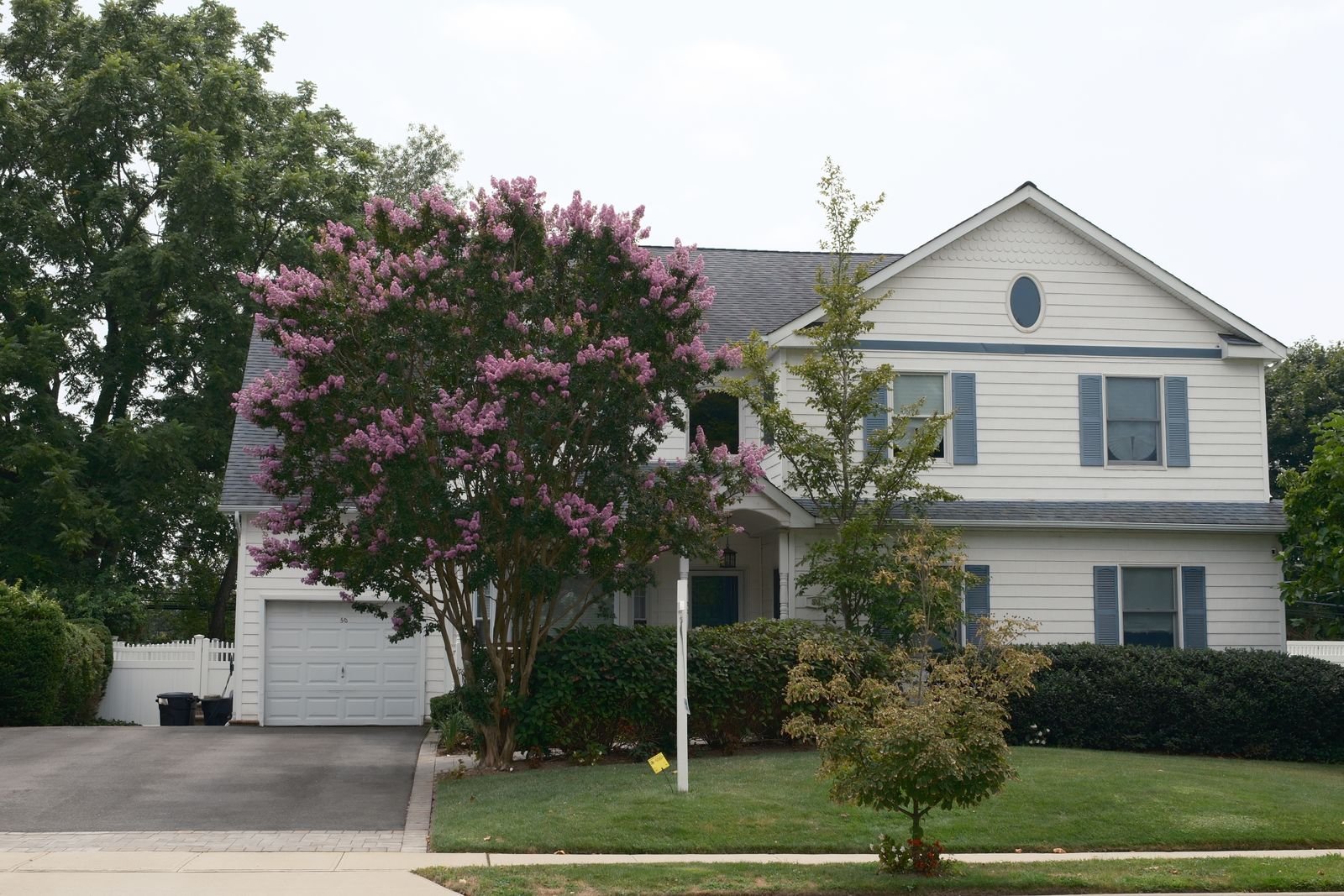
The dwelling number on a homeowners policy is not what the house would sell for, not what the county says it’s worth for taxes, and not what a listing site guesses on a Tuesday. It’s an estimate of what it would cost to rebuild the house from the slab up, today, with materials of similar kind and quality. And most standard homeowners forms draw a line at 80 percent of that rebuild figure. Above the line, a partial loss is typically settled at replacement cost. Below it, the math changes.
The Mississippi Insurance Department says this plainly on its homeowners insurance page, and it’s worth reading in the state’s own words rather than ours.
What the state guide says
Per the Department: if a home is insured for less than 80 percent of its replacement cost, the insurer “will not be obligated to pay the total cost less deductible of a partial loss.” Instead, the homeowner is entitled to the larger of two figures. One is the actual cash value of the loss, which the guide defines as the cost to repair or replace minus depreciation for age and normal wear. The other is a prorated amount, based on the ratio of the insurance actually carried to the insurance that would have met the 80 percent mark.
The guide also makes a point most people skip past: replacement cost “can be considerably higher than the price you originally paid for your home.” A house bought in Tupelo in 2015 and never revisited on the policy may be sitting well under the line without anybody having done anything wrong.
A worked example, in round numbers
Say a house would cost $250,000 to rebuild today. Eighty percent of that is $200,000. A policy with a $200,000 dwelling limit is at the line; a partial loss, a kitchen fire, a tree through the roof, is typically settled at replacement cost up to the limit.
Now say the same house is insured for $150,000. That’s 60 percent of replacement cost, or three-quarters of what the 80 percent condition asks for. Under the prorated method, a $40,000 roof and ceiling repair would be paid at three-quarters, $30,000, before the deductible. Under the actual cash value method, the same repair would be paid at replacement cost minus depreciation on the damaged materials. The policy pays whichever of those two is larger. Either way, the homeowner has a gap that didn’t show up on any bill until the claim.
The numbers here are made up to show the arithmetic. The formula is the state’s.
Where the line lives in the policy
This is a condition, not a coverage. On most homeowners forms it sits in the loss settlement section, several pages past the declarations, under a heading about buildings insured for replacement cost. The declarations page shows the dwelling limit. It does not show what percentage of replacement cost that limit represents, because the policy doesn’t know. That number only exists in a replacement cost estimate, and the estimate is only as good as the square footage, the finish quality and the construction date that went into it.
Policies vary here more than people expect. Some forms use 80 percent. Some carriers write endorsements that remove the condition entirely in exchange for insuring to 100 percent of their estimate. The state guide mentions inflation guard endorsements that raise the dwelling limit automatically each year to keep pace with construction costs, and an endorsement that provides coverage equal to 100 percent of replacement cost. Which of those a given policy has, and whether the estimate underneath it was ever updated, is a question the policy answers and the mortgage statement does not.
The part that cuts against us
Two honest things.
First, the estimating tools agents use are estimates. The number a rating system produces for a 1,900-square-foot brick ranch in Lee County is a model output, not a contractor’s bid. It can be low. It can also be high, which costs the homeowner premium on coverage that would never be paid out. An agent who has never asked about the addition, the metal roof or the unfinished upstairs is working from a worse estimate than the one you could give them in five minutes.
Second, for most people with a mortgage, the lender already forced this conversation at closing, and the limit was probably fine on day one. The line gets crossed slowly, by construction costs moving while the policy sits still. The annual review the Department recommends is the whole defense, and it’s the thing almost nobody does.
We covered the commercial version of this condition, which uses a different percentage and a harsher formula, in our post on the coinsurance penalty. The homeowners version is gentler, but it’s the same idea: the limit has to bear some relationship to the real rebuild cost, or the policy pays less than people assume.
See our home insurance page, bring the policy and a rough idea of the square footage by the Tupelo office, or call or text 662-454-7831 and we’ll find the loss settlement section together and check the estimate against the house that’s actually standing there.
This article is general information about how coverage typically works, not advice about your specific situation. Your policy is the contract, and it’s the only thing that says what you have. If you’d like someone to read it with you, that’s what we’re here for.