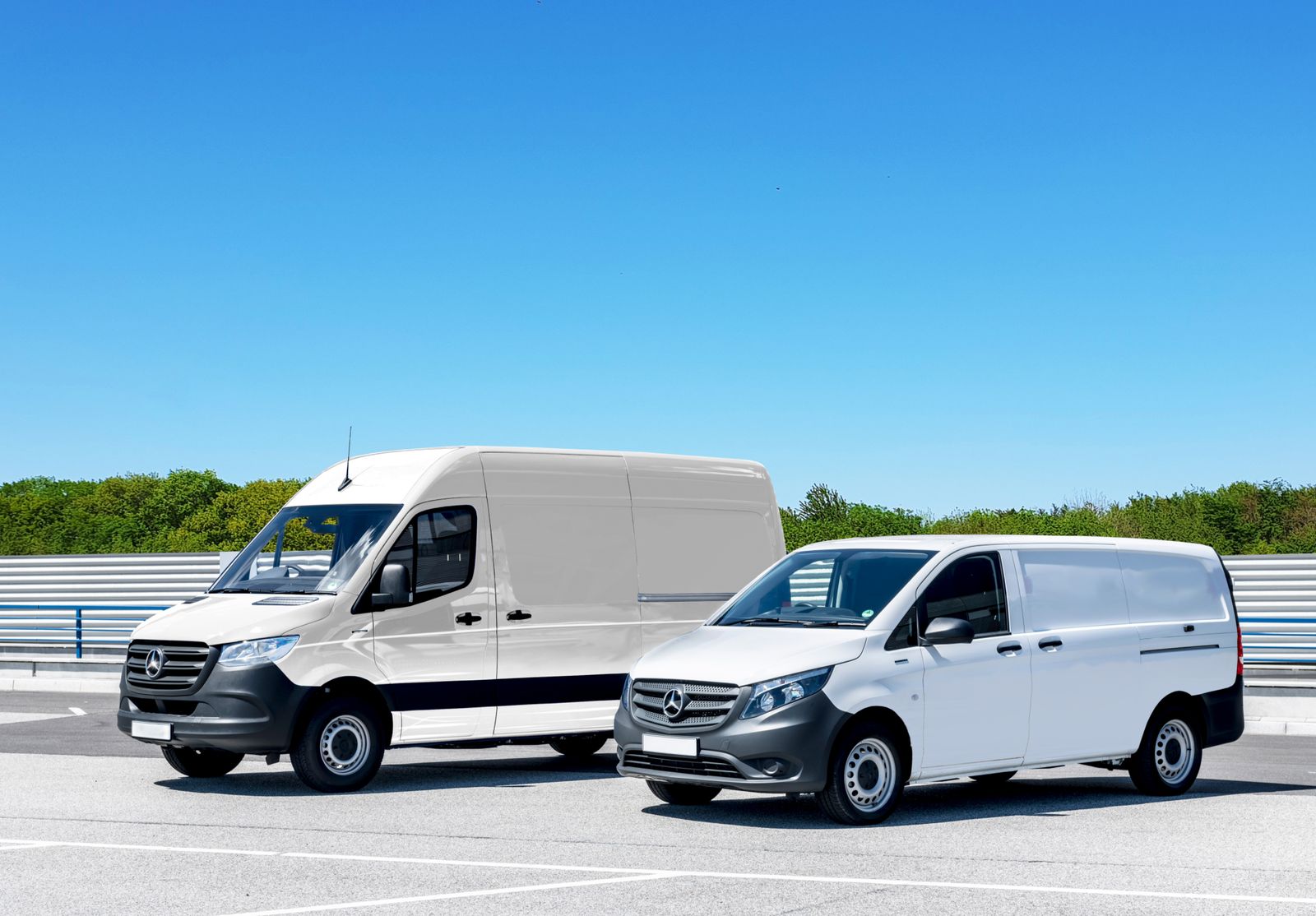
A lot of people assume their personal auto policy covers them no matter what they’re doing behind the wheel, as long as they’re driving carefully. That’s not how the policy reads. Personal auto coverage is built around personal, everyday use — and once a vehicle starts working for a living, the coverage picture can change fast.
Where Personal Auto Coverage Stops Applying
Most personal auto policies carry exclusions for business use, meaning certain work-related driving may not be covered the way you’d expect — or covered at all. This catches people off guard because the line between personal and business use isn’t obvious day to day. It becomes very obvious after a claim, when the insurer looks closely at how the vehicle was actually being used at the moment of the accident.
By then, the question has already been answered. You want to answer it earlier.
Common Situations That Point to Commercial Auto
Delivery driving. Food, packages, parts — any job where you’re regularly transporting goods for pay is consistent business use, and it generally falls outside what a personal policy is designed to handle.
Hauling tools and equipment for a trade. A contractor running materials between job sites around Tupelo or Corinth is a classic case. The truck may look like any other truck in the parking lot — the risk profile isn’t the same, and underwriters know it.
Company-owned vehicles. A vehicle titled to the business almost always needs a commercial policy. The business owns it; the business insures it.
Commercial plates or heavier vehicles. Vehicles with commercial tags, or above the weight range typical of personal vehicles, are generally expected to carry commercial coverage.
There’s no shortage of working vehicles in this area — Lee County alone counts 2,550 employer establishments, per the U.S. Census Bureau, and a good share of them put trucks and vans on the road every morning.
Gray Areas Worth Asking About
Not everything is black and white. Someone who occasionally picks up office supplies in their personal car is in a different category than someone who drives for a living. Rideshare and delivery-app driving is its own lane — some personal policies exclude it outright while others offer an endorsement for it.
Here’s the honest rule: if you’re not sure whether your situation counts as business use, that uncertainty is itself the reason to ask. Guessing is the one option with no upside.
Why Getting This Right Matters
The real risk isn’t paying a somewhat higher premium for the correct policy. It’s discovering after an accident that the claim is denied because the vehicle was in business use a personal policy doesn’t cover — leaving you personally responsible for damage and injuries that a properly matched policy would have handled.
For a small business, one uncovered accident can outweigh years of premium difference. Sorting it out ahead of time is dramatically cheaper than sorting it out in a denial letter.
How to Tell Which One You Need
Run through these honestly:
- Who owns the vehicle — a business, or an individual?
- Does it earn? Is it regularly used to generate income, transport goods, or serve clients?
- What’s on the plate? Commercial tags, or a weight above typical personal vehicles?
- Who drives it? Employees behind the wheel is a commercial-policy conversation on its own.
- What would a denied claim cost you? If the answer makes you wince, that’s your signal.
A yes to any of the first four means it’s time for a real conversation about commercial auto — not an assumption that the personal policy has it handled.
Related Coverage: Business Insurance
Commercial auto usually rides alongside the rest of a business’s coverage — see how we build the whole package at business insurance, shopped across 20+ carriers in Mississippi, Alabama, and Tennessee.
Whether you’re running a crew out of Belmont or just picked up steady side work in Tupelo, make sure your auto coverage matches the miles — not just on paper. Call or text 662-454-7831. A real person picks up, and we’ll take the time to compare personal and commercial options in plain English, no runaround.